1.The Self-Made American
Isaacson presents Franklin as the archetype of the self-made man, rising from humble origins as a Boston apprentice to international fame. Franklin’s story is not just about personal advancement; it’s about the belief that anyone, through industriousness and virtue, can shape their destiny. This ethos became central to the American identity, and Isaacson shows how Franklin’s life and writings encouraged a culture of self-improvement, social mobility, and civic responsibility.
2.A Champion of Practical Wisdom
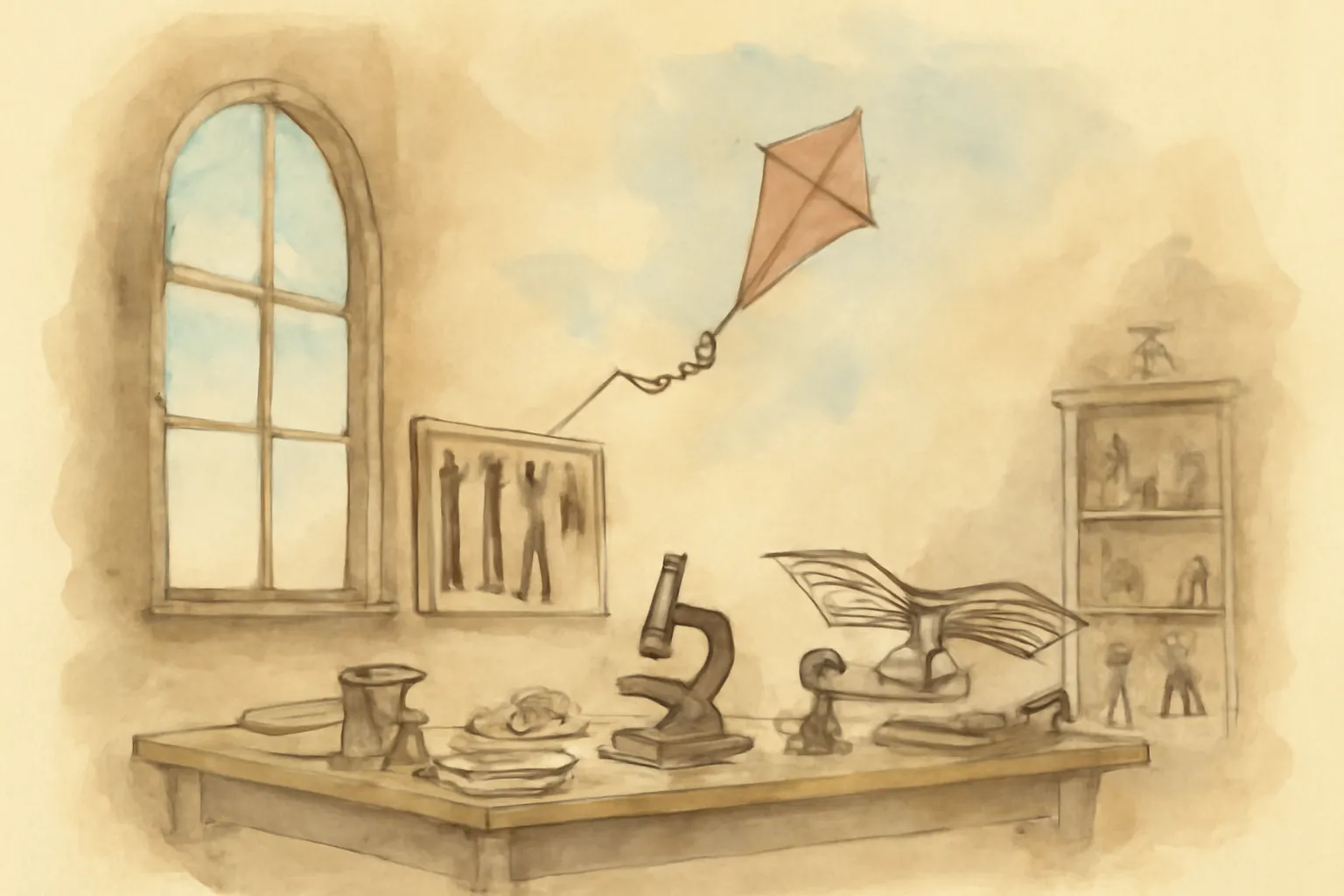
Franklin’s approach to life was grounded in practicality and empirical observation, whether he was inventing the lightning rod or negotiating with European powers. Isaacson emphasizes Franklin’s preference for useful knowledge over abstract theorizing, highlighting how his scientific experiments, business ventures, and political strategies were all rooted in a pragmatic search for solutions. This practicality made Franklin a bridge between Enlightenment ideals and everyday American life.
3.Inventor and Innovator
Franklin’s inventive spirit went far beyond his famous experiments with electricity. Isaacson details Franklin’s wide-ranging creativity: founding the first public lending library, the first fire department, and the University of Pennsylvania, among others. Franklin’s innovations were always aimed at improving society, not just personal gain, reflecting his belief in communal progress and the application of reason to public good.
4.Media Mogul and Master Communicator
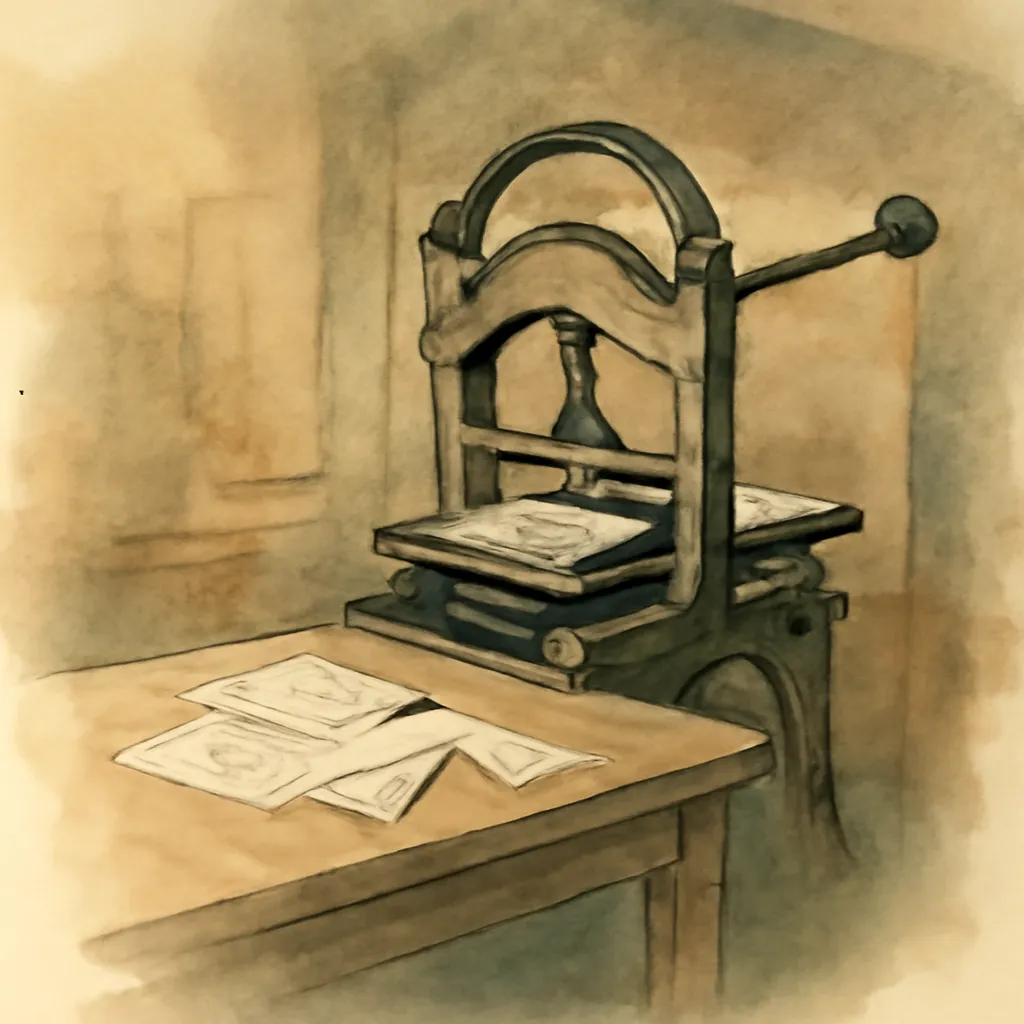
Franklin’s success as a printer and writer was central to his influence. Isaacson explores how Franklin used media—especially his newspaper and Poor Richard’s Almanack—to shape public opinion, spread practical advice, and foster a sense of shared American identity. His wit, accessibility, and strategic use of the press made him a prototype for future American public figures and politicians.
5.Diplomat and Nation-Builder
Franklin’s diplomatic skills were crucial during the American Revolution and in securing French support for independence. Isaacson illustrates how Franklin’s charm, adaptability, and understanding of human nature allowed him to navigate complex political landscapes. His ability to balance idealism with compromise helped lay the groundwork for the new nation’s international standing and internal cohesion.
6.Complex Morality and Personal Contradictions
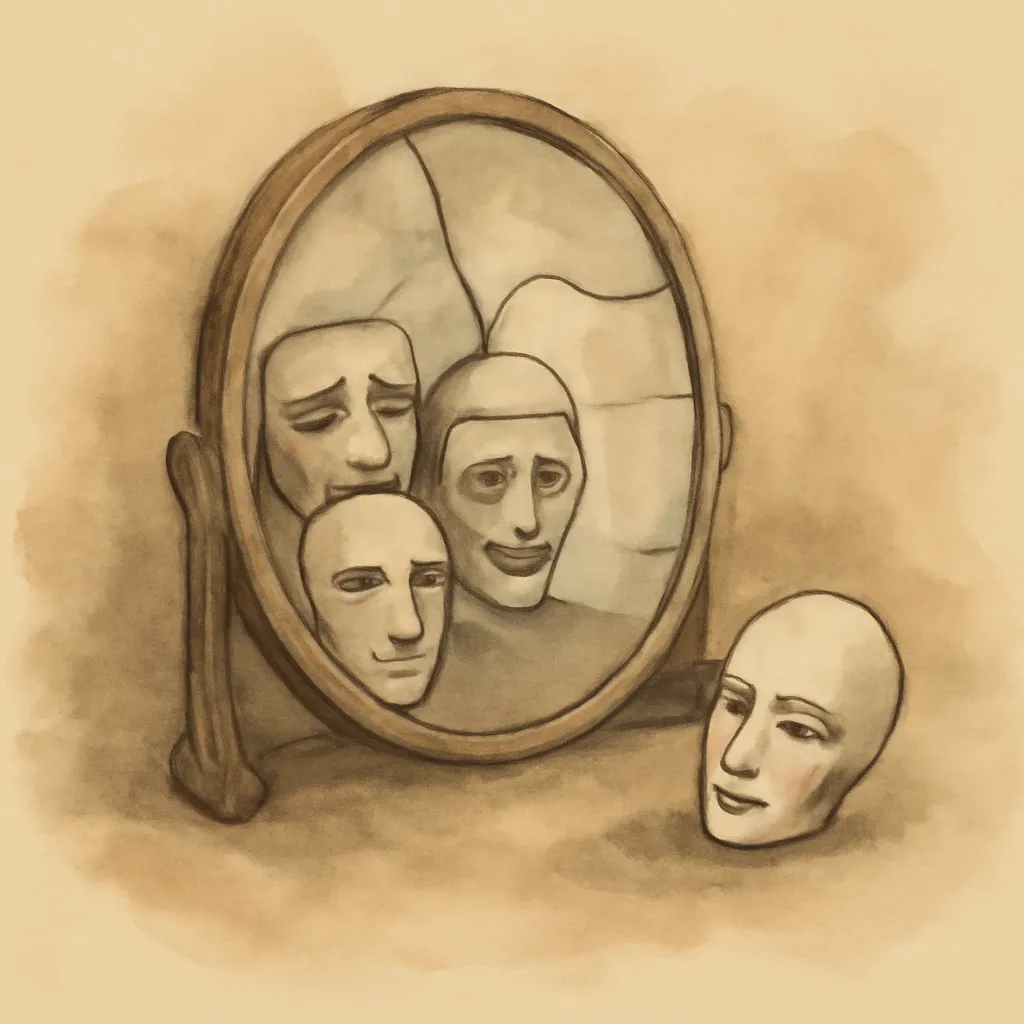
Isaacson does not shy away from Franklin’s flaws: his complicated family life, shifting political loyalties, and sometimes opportunistic behavior. The biography explores how Franklin’s capacity for self-examination and reinvention allowed him to grow, but also made him a figure of contradictions. This complexity makes Franklin relatable and human, rather than a one-dimensional hero.