1.The Power of Empathetic Communication
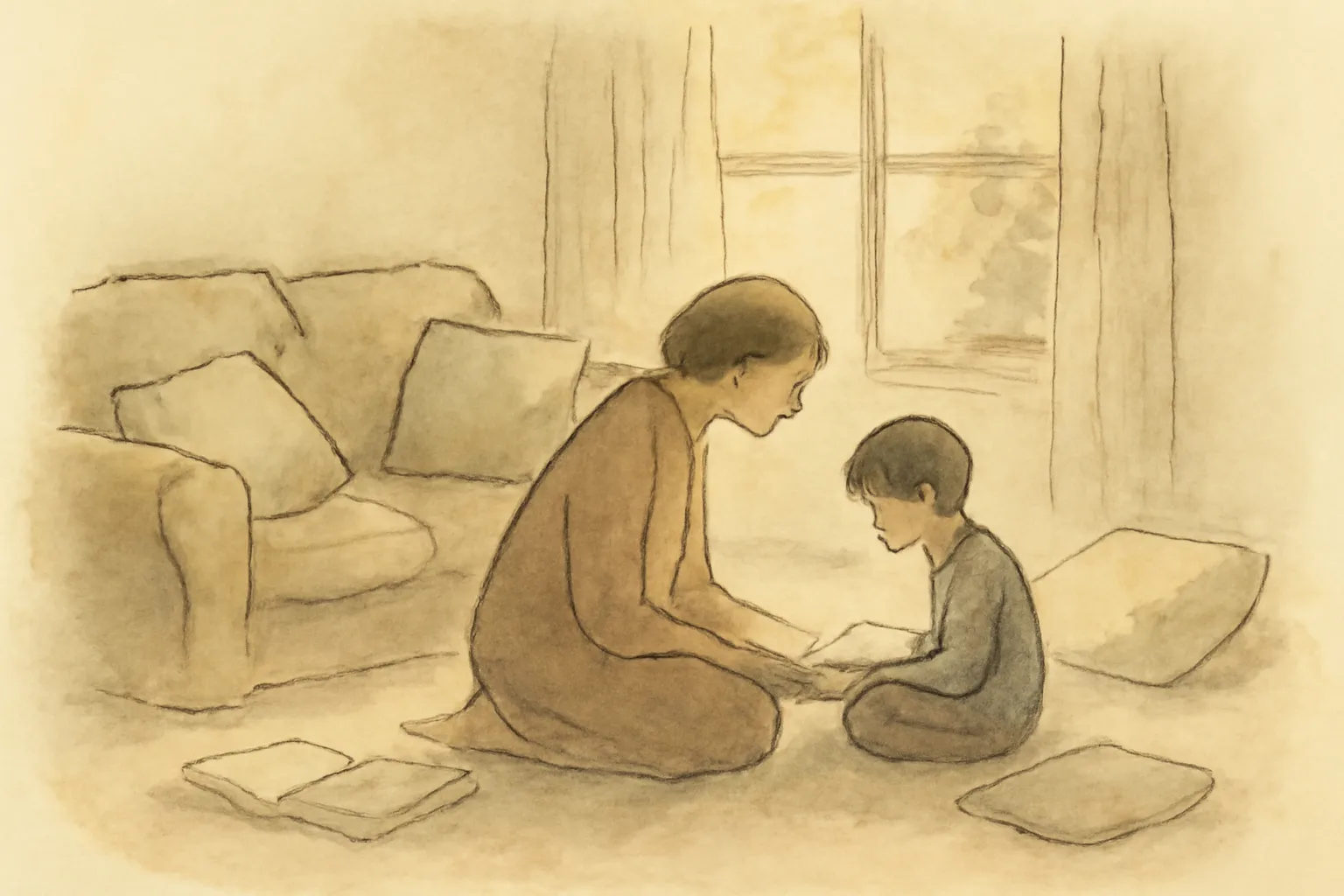
Ginott emphasizes that how parents talk to their children profoundly shapes both behavior and self-esteem. He advocates for listening with empathy, acknowledging children’s feelings without judgment, and responding in ways that validate their experiences. This approach helps children feel understood and respected, laying the groundwork for trust and open dialogue.
2.Discipline Without Humiliation
Rather than relying on punishment or shaming, Ginott encourages parents to set limits with respect and clarity. He suggests focusing on the behavior, not the child’s character, and using language that guides rather than wounds. This method teaches children about consequences while preserving their dignity and the parent-child bond.
3.Describing, Not Evaluating
A central technique in the book is describing what you see or feel instead of labeling or criticizing. For example, instead of saying 'You’re so messy,' a parent might say, 'I see clothes on the floor.' This descriptive language reduces defensiveness and invites cooperation, making problem-solving more effective.
4.Feelings Are to Be Accepted, Actions Limited
Ginott draws a crucial distinction between accepting all feelings and setting boundaries on actions. Children should feel safe expressing anger, sadness, or frustration, but parents must guide them in handling those emotions constructively. This balance helps children develop self-regulation and emotional resilience.
5.Modeling Respectful Interaction
Children learn how to relate to others by observing their parents. Ginott insists that parents model the respect, patience, and honesty they wish to see in their children. By treating children as people with valid thoughts and feelings, parents foster mutual respect and encourage mature communication skills.
6.The Lasting Impact of Words
Ginott warns that words can leave lasting emotional imprints—positive or negative. The book urges parents to choose words carefully, using language that supports growth and confidence. Thoughtful communication not only resolves conflicts but also shapes a child’s self-image and worldview.