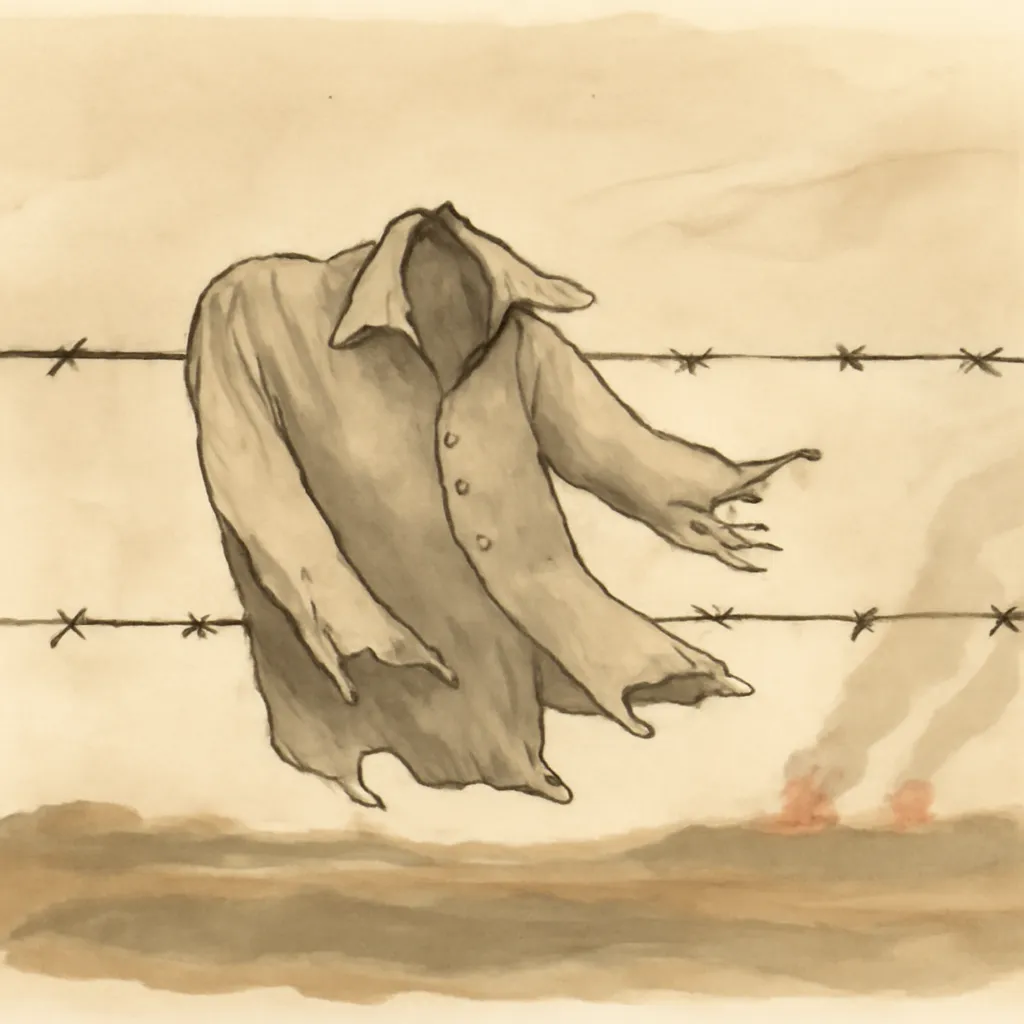
1.The Fragility of the Black Body
Coates centers the physical vulnerability of Black bodies in America, arguing that the threat of violence—whether from police, institutions, or the streets—is a constant, shaping every aspect of Black life. He insists that this is not accidental but a result of deliberate, systemic forces that have historically devalued Black lives. The body becomes both a metaphor and a literal site of struggle, fear, and resilience.
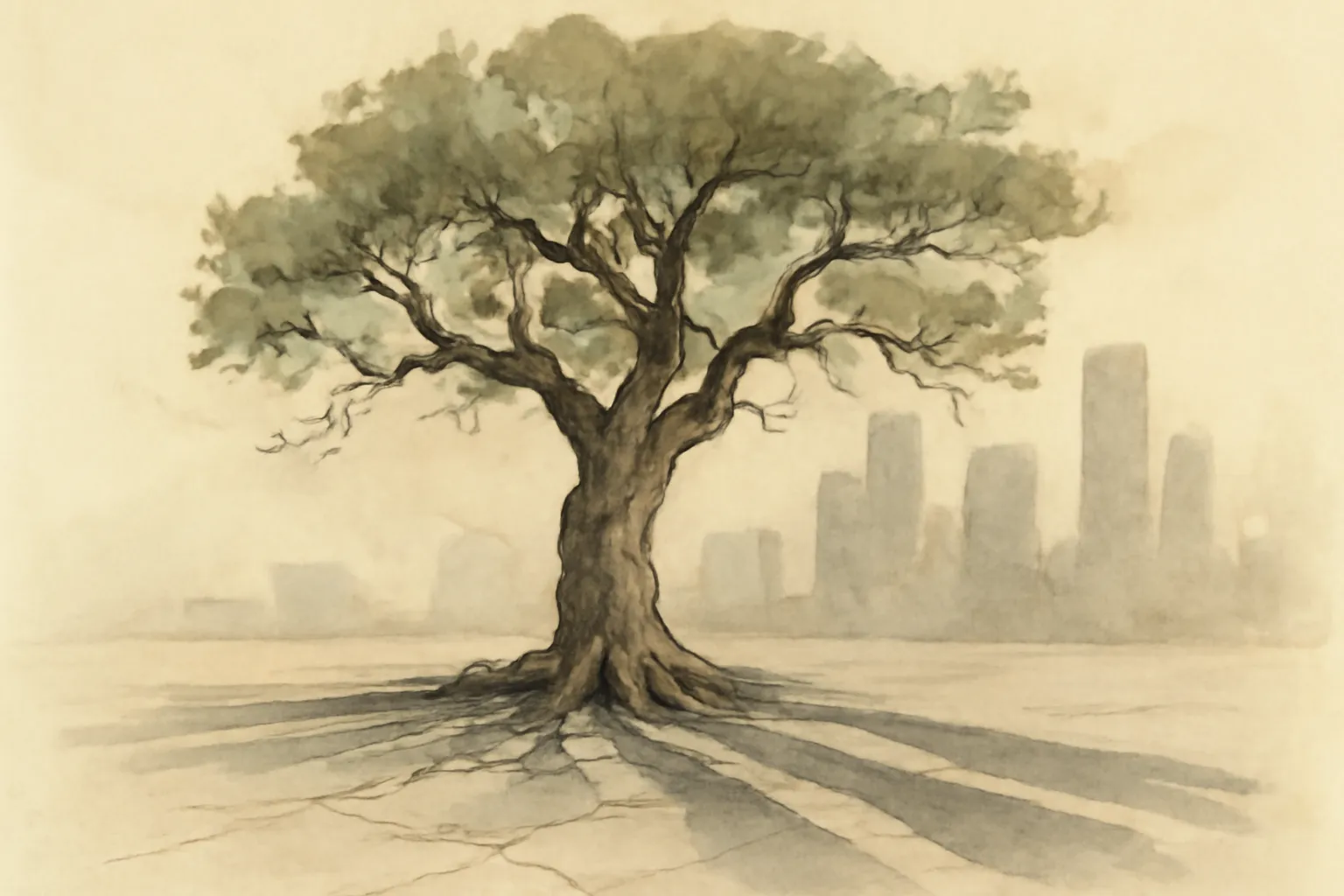
2.The Illusion of the American Dream
Coates critiques the American Dream as a narrative built on the exploitation and exclusion of Black people. He describes the Dream as a seductive myth that promises equality and prosperity but is accessible only to those who can ignore or benefit from the suffering of others. For Coates, confronting the reality behind the Dream is essential to understanding America's racial history and present.
3.Inheritance and Intergenerational Dialogue
By framing the book as a letter to his son, Coates explores the transmission of trauma, wisdom, and survival strategies across generations. He grapples with what it means to prepare a child for a world that is often hostile, seeking to be honest without extinguishing hope. This personal approach underscores the emotional stakes of his analysis and invites readers to reflect on their own familial legacies.
4.History as Living Memory
Coates weaves together personal narrative and historical analysis, arguing that the past is not dead but actively shapes present realities. He challenges readers to see slavery, segregation, and ongoing discrimination as foundational to American identity, not as distant or resolved issues. This perspective demands a reckoning with history's enduring impact.
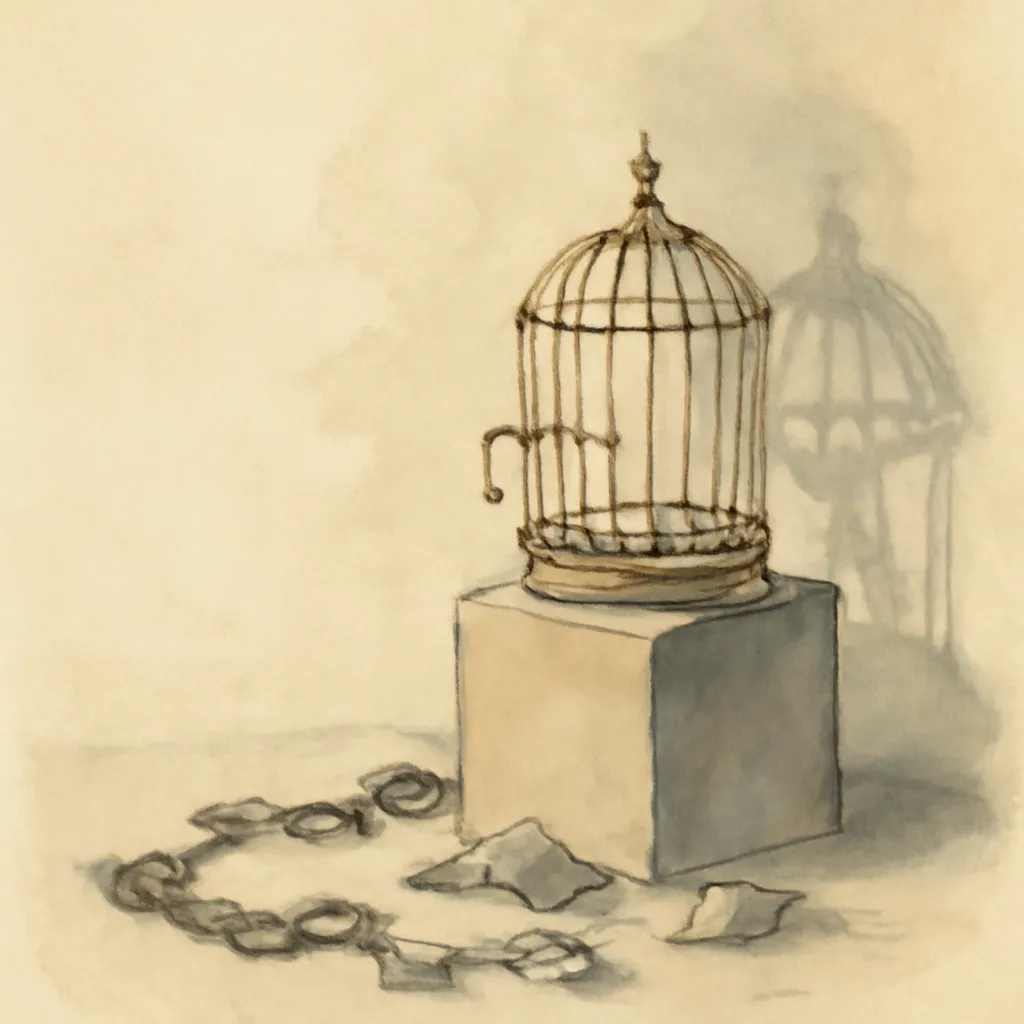
5.Struggle Without Guarantee of Victory
Unlike some writers who envision eventual triumph over racism, Coates is skeptical that white supremacy will ever be fully dismantled. He emphasizes the necessity of struggle not because it will inevitably succeed, but because it is a moral imperative and a means of asserting one's humanity. This stance offers a sobering but honest vision of resistance.
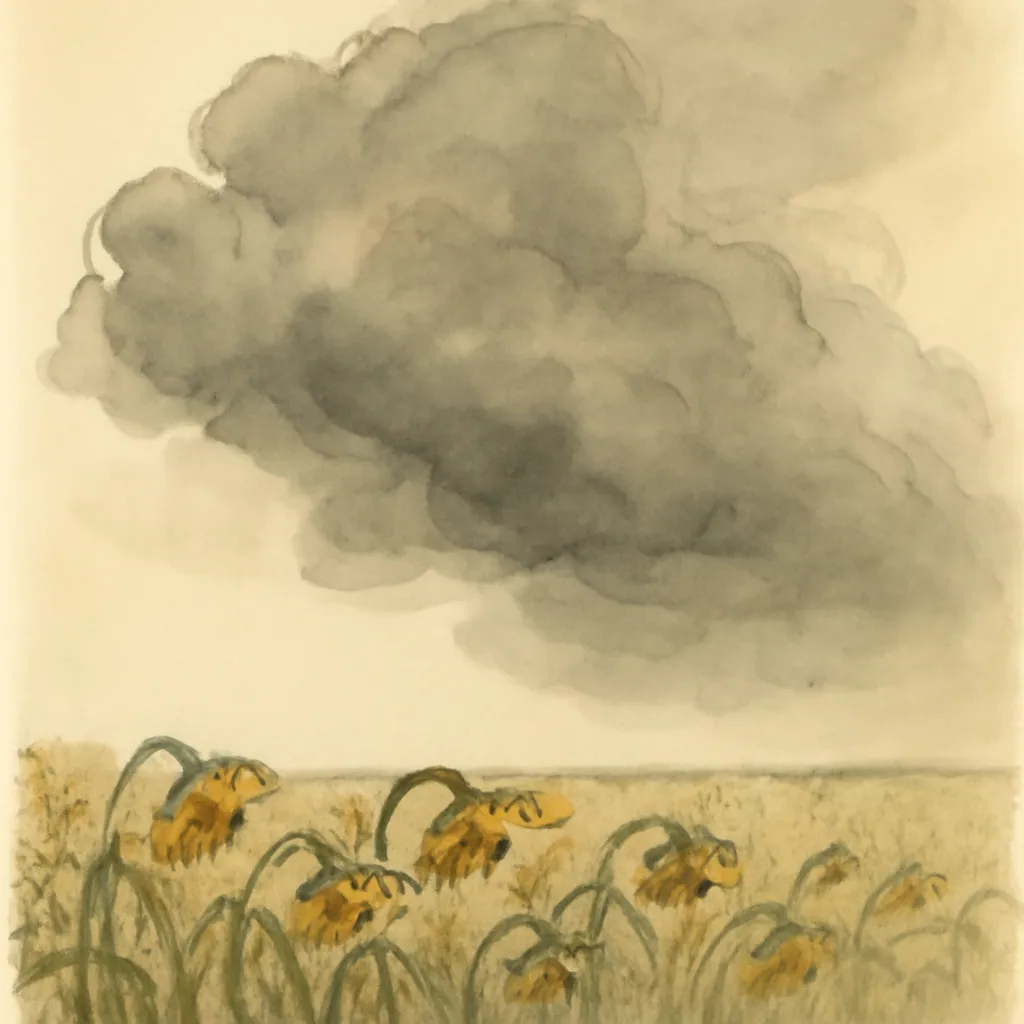
6.The Search for Meaning and Beauty
Amid the harsh realities he describes, Coates also finds moments of beauty, love, and connection—especially in Black culture, family, and intellectual life. He suggests that while safety cannot be guaranteed, meaning can be found in relationships, art, and the ongoing quest for understanding.