1.The Terror of the Unseen
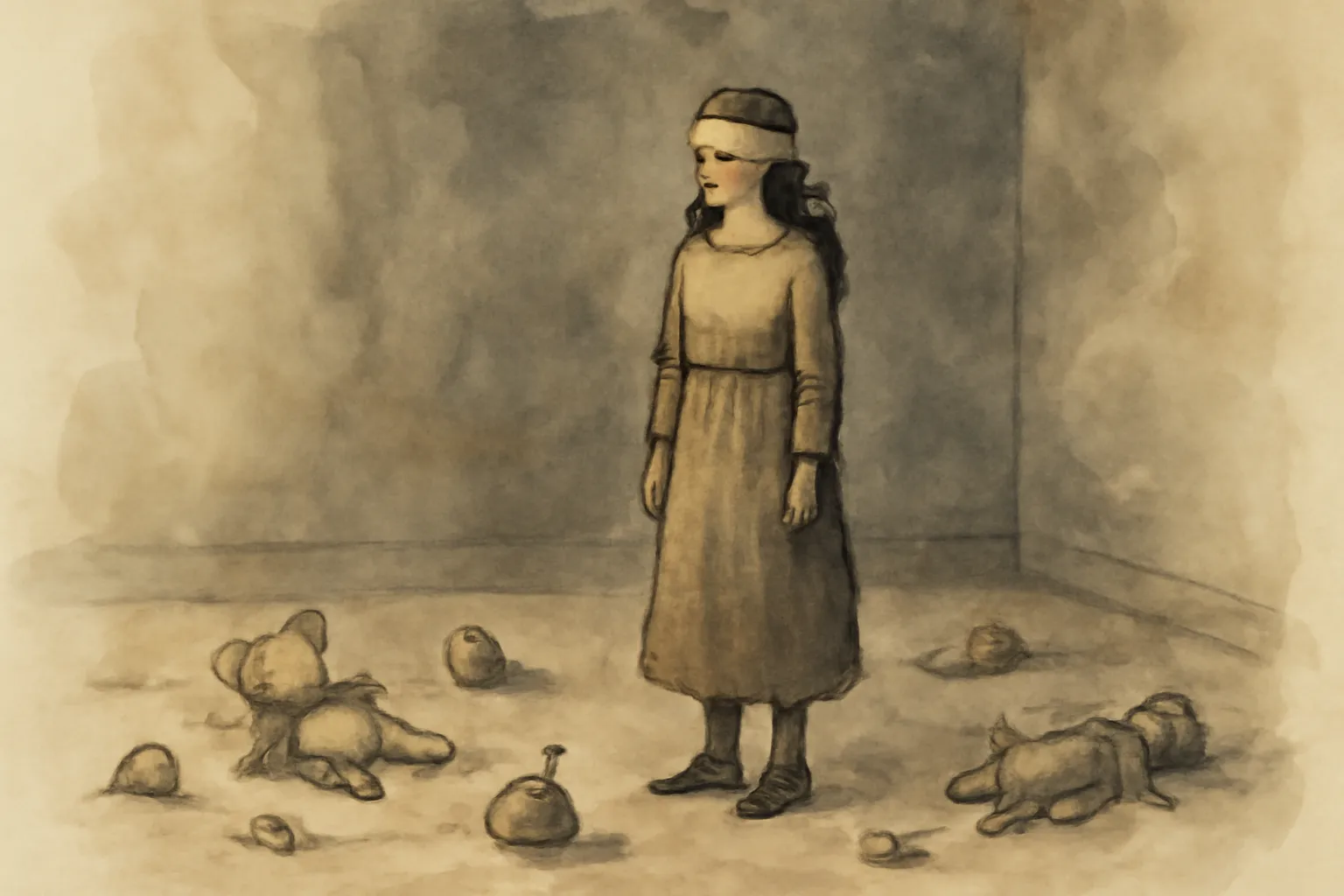
At the heart of Bird Box is the idea that what we cannot see can be far more frightening than what we can. The mysterious entities never appear directly on the page; instead, their presence is felt through the reactions of those who glimpse them—insanity, violence, and death. This taps into primal fears of the unknown, forcing both characters and readers to confront anxiety born from uncertainty and lack of control. The novel uses sensory deprivation as a tool for suspense, making the reader imagine horrors worse than any explicit description.
2.Motherhood Amid Chaos
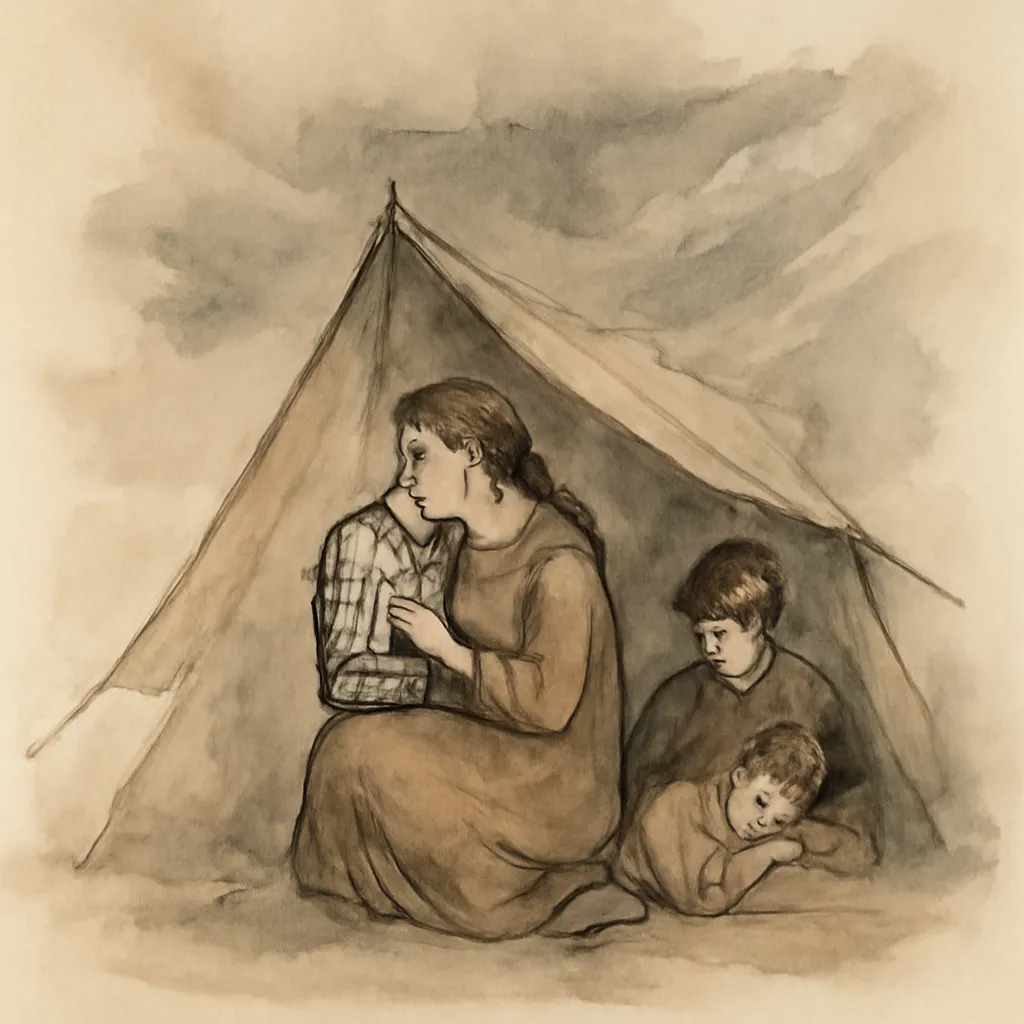
Malorie, the protagonist, is a mother trying to protect her children in a world where any mistake can be fatal. The novel explores the burdens and sacrifices of parenthood under extreme circumstances. Malorie’s fierce determination to keep her children alive, even at the cost of their innocence or comfort, raises questions about what it means to be a good parent. The story examines the tension between nurturing and survival, and how love can be both a source of strength and vulnerability.
3.Trust and Isolation
Bird Box is set in a world where trust is nearly impossible. The threat is invisible and unpredictable, making every person a potential danger. The survivors must decide whom to let into their homes and lives, knowing that a single lapse can be deadly. The novel examines the psychological toll of isolation, and how the need for connection clashes with the imperative to stay safe. This theme resonates in both the physical blindness imposed by the situation and the emotional blindness that can result from fear.
4.Adaptation and Human Resilience
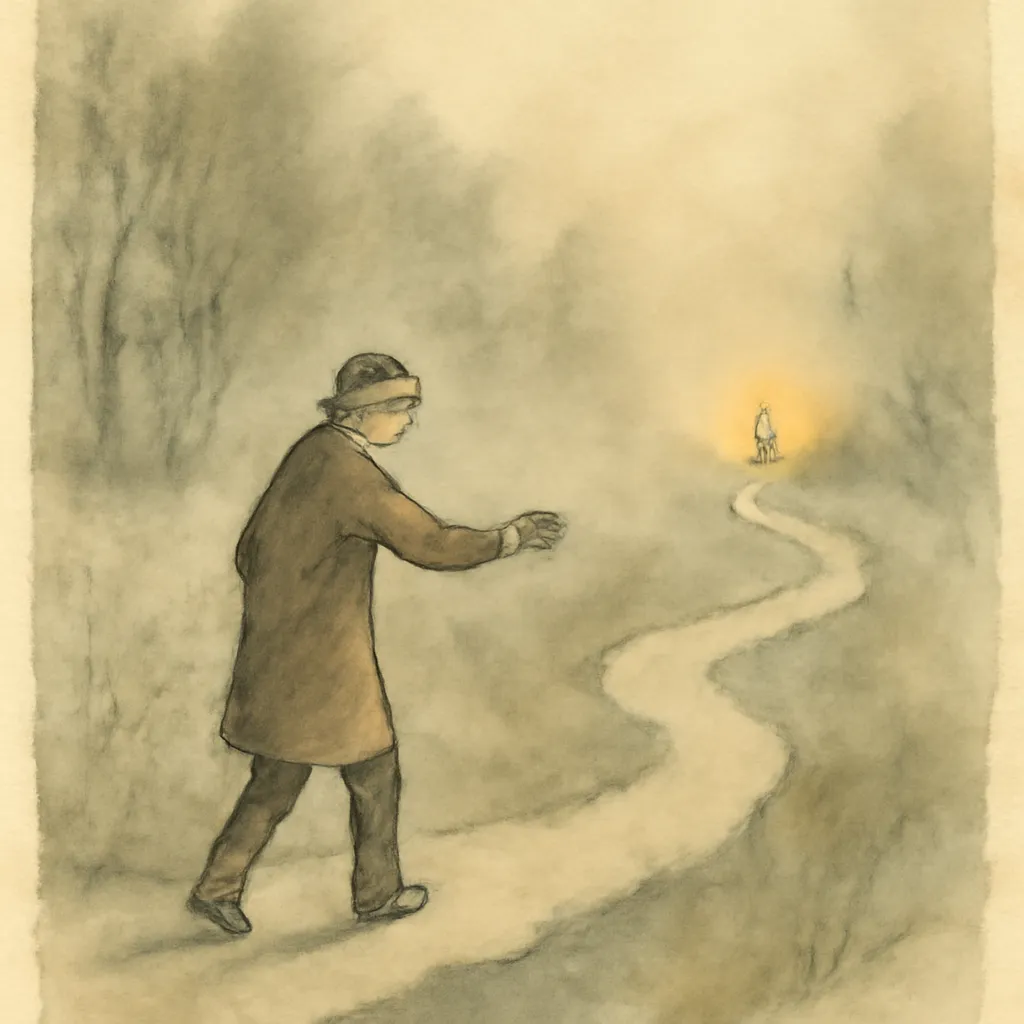
The characters in Bird Box are forced to adapt to a radically altered reality. They develop new ways of navigating the world—blindfolded, relying on sound, touch, and trust. The novel highlights human ingenuity and resilience in the face of unimaginable threats. It asks what we are willing to sacrifice in order to survive, and whether adaptation comes at the cost of our humanity. The story suggests that survival is not just about physical endurance, but also about mental flexibility and hope.
5.The Limits of Perception
By making sight deadly, Bird Box challenges the reader to consider how much we rely on our senses to understand reality. The book explores the limitations of perception, and how easily our minds can be deceived or overwhelmed. It raises philosophical questions about what is real, what is imagined, and how much we can ever truly know about the world around us—especially when our senses are compromised.
6.Fear as a Contagion
Fear spreads as quickly as the threat itself in Bird Box. The characters’ paranoia and anxiety are as dangerous as the entities outside. The novel examines how fear can warp judgment, fracture communities, and drive people to desperate acts. Malerman suggests that in times of crisis, fear can be as destructive as any external menace, shaping behavior and destiny.