1.The Destructive Power of Family Ties
At its core, Bitter Blood examines how the bonds of family—meant to nurture and protect—can instead become toxic and deadly. The interwoven relationships between the Sharps, Newsoms, and Lynches reveal how old resentments, unresolved traumas, and a sense of entitlement can fester across generations. The book suggests that the very closeness and insularity of these families, coupled with their social standing, allowed dysfunction to go unchecked until it erupted in violence.
2.Privilege and Denial in Southern Society
Bledsoe delves into the ways wealth and social status can shield individuals from scrutiny and accountability. The families at the center of the story are pillars of their communities, and their reputations initially protect them from suspicion. The book critiques the tendency of privileged circles to overlook warning signs, enabling destructive behavior under the guise of maintaining appearances.
3.Obsession and Paranoia as Catalysts
The narrative is driven by the obsessive relationship between Susie Sharp Newsom Lynch and her cousin Fritz Klenner. Their shared paranoia, fueled by custody battles and perceived threats, escalates into a dangerous delusion. Bledsoe explores how obsession can distort reality, leading otherwise rational people to justify—and commit—unspeakable acts.
4.The Failures of the Justice System
Bitter Blood highlights missed opportunities by law enforcement and the courts to intervene before the tragedy unfolded. Despite mounting evidence of instability and danger, authorities were hampered by legal limitations, social connections, and a reluctance to challenge the powerful. The book raises questions about how systems meant to protect the vulnerable can be manipulated or rendered ineffective.
5.The Southern Gothic Atmosphere
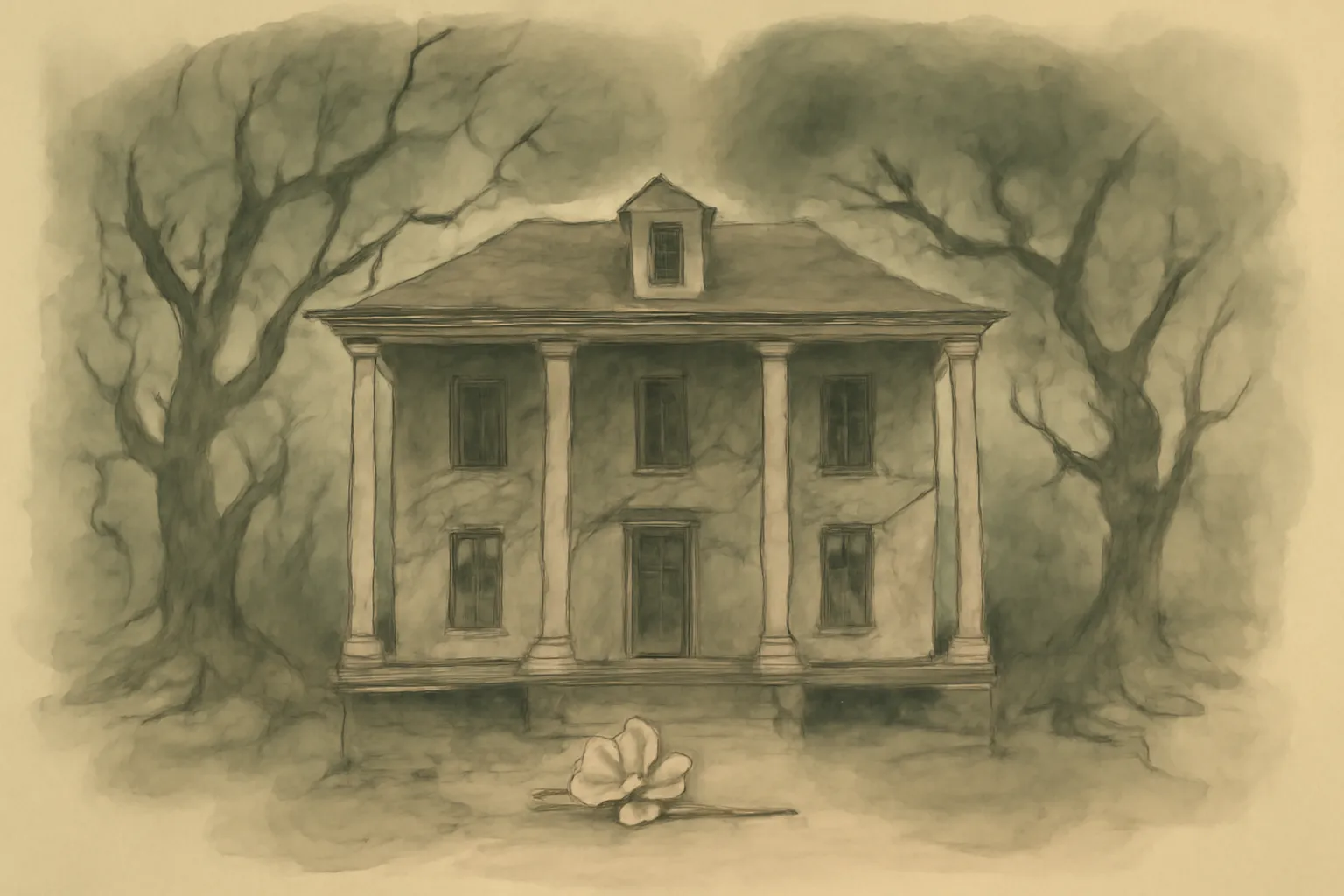
Bledsoe’s storytelling is steeped in Southern Gothic tradition, with its decaying mansions, family secrets, and underlying menace. The setting is not just a backdrop but a character in itself, amplifying the sense of fatalism and moral decay. This atmospheric approach deepens the psychological impact of the crimes and roots the narrative in a specific cultural milieu.
6.The Human Cost of Denial
Throughout the book, Bledsoe shows how denial—by family members, friends, and authorities—contributes to the mounting tragedy. Warnings are ignored, troubling behaviors are rationalized, and the desire to avoid scandal outweighs the imperative to act. The story serves as a cautionary tale about the dangers of looking away from uncomfortable truths.