1.Personal Investigation Meets Professional Method
Steve Hodel’s background as a homicide detective shapes his approach to the Black Dahlia case. He applies rigorous police methodology—evidence review, timeline reconstruction, and interviews—but the investigation is deeply personal, as the prime suspect is his own father. This fusion of professional detachment and emotional involvement gives the book a unique tension, raising questions about objectivity and the limits of personal inquiry.
2.Re-examining the Black Dahlia Case
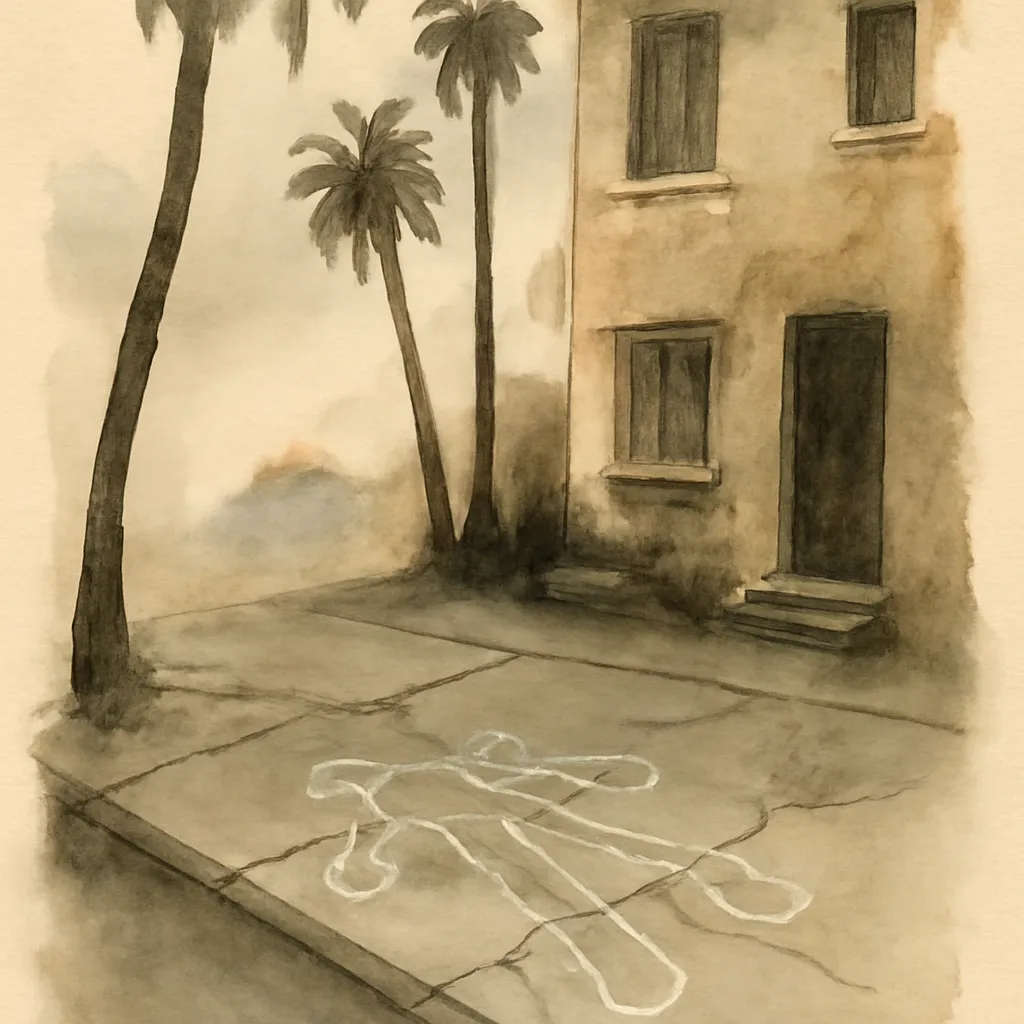
The book meticulously revisits the details of Elizabeth Short’s murder, challenging the accepted narrative that the case was unsolvable. Hodel uncovers overlooked clues, such as surgical precision in the mutilation and connections to other unsolved crimes, arguing that the official investigation missed critical leads due to corruption, incompetence, or willful blindness within the LAPD.
3.The Father as Suspect: George Hodel
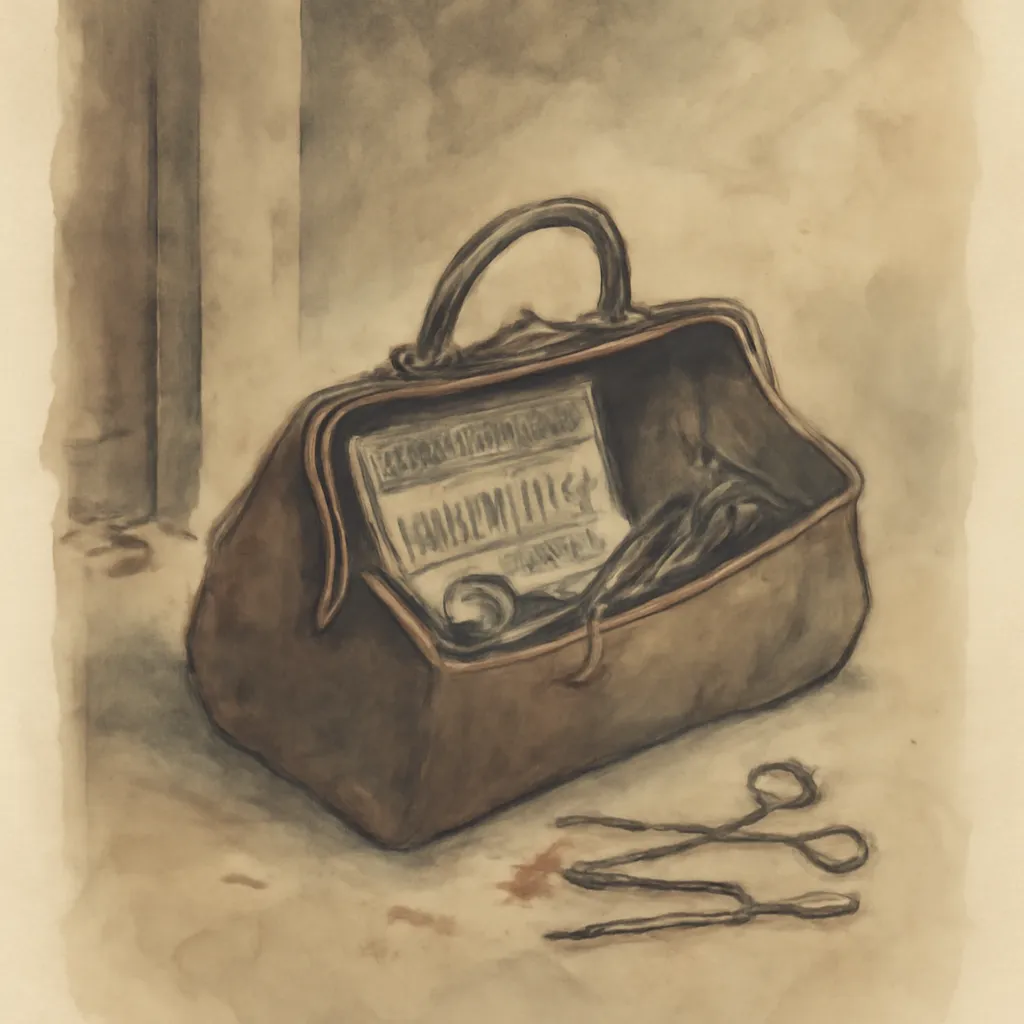
Central to the book is the shocking assertion that Dr. George Hodel, a respected physician and socialite, was the Black Dahlia killer. Steve Hodel presents circumstantial and physical evidence: his father’s medical skills, proximity to the crime scene, and a cache of disturbing photographs and writings. The narrative explores the psychological impact of suspecting one’s own parent and the broader implications for understanding evil within the family.
4.The Culture of Los Angeles in the 1940s
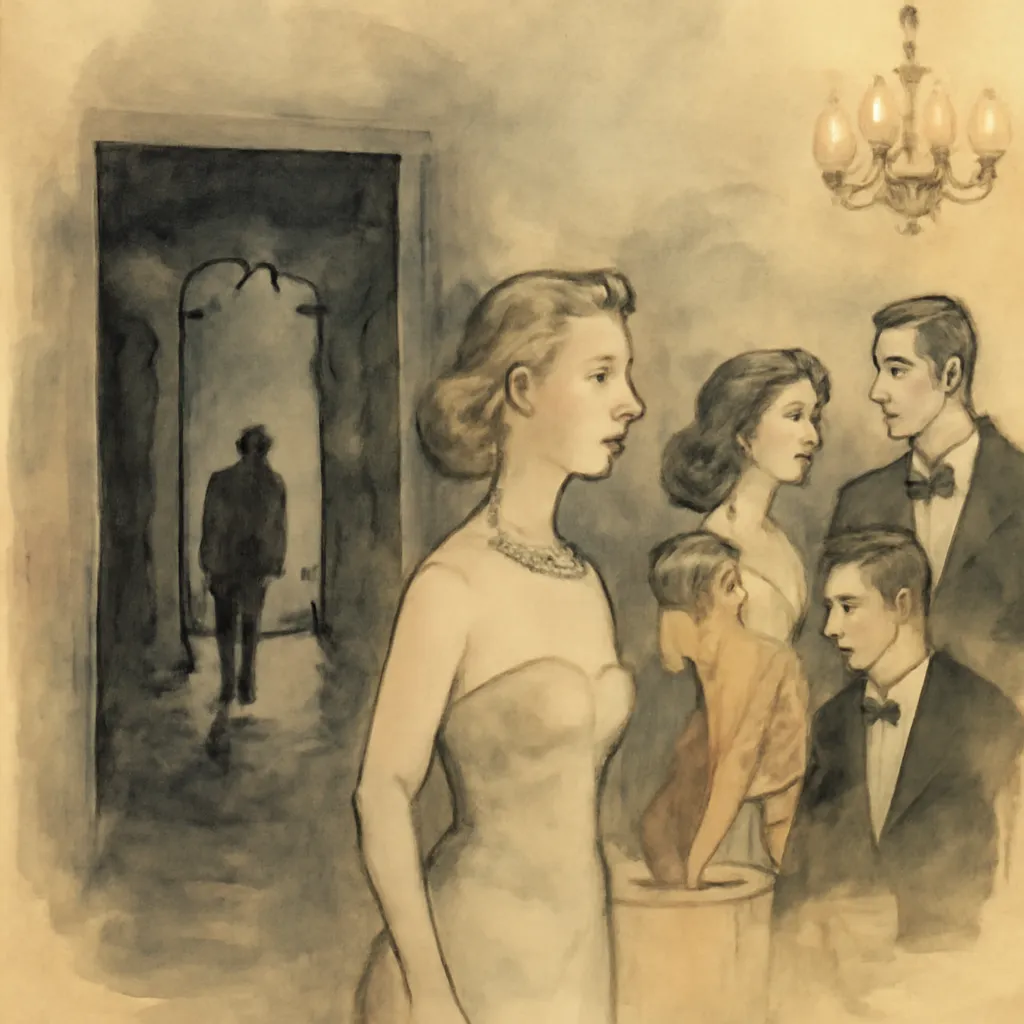
Black Dahlia Avenger is as much a portrait of postwar Los Angeles as it is a murder investigation. The book delves into the city’s noir atmosphere—its glamour, corruption, and the interplay of Hollywood, media, and law enforcement. Hodel suggests that the city’s culture enabled both the crime and the subsequent cover-up, making the murder a symbol of LA’s darker side.
5.The Limits and Ethics of True Crime
Hodel’s investigation raises ethical questions about true crime as a genre: the risk of exploiting victims, the responsibility to the accused (especially when deceased), and the potential for personal bias. The book invites readers to consider how far one should go in pursuit of truth, especially when the answers are deeply unsettling and potentially unprovable.
6.The Enduring Power of Unsolved Mysteries
The Black Dahlia case has haunted public imagination for decades. Hodel’s book explores why unsolved crimes captivate us, and what it means to finally have an answer—even if it is controversial and not universally accepted. The narrative becomes a meditation on closure, justice, and the human need for resolution.