1.Thin-Slicing: The Power of First Impressions
Gladwell introduces the concept of 'thin-slicing,' the process by which our unconscious minds find patterns in small slices of experience. He argues that, under the right conditions, these rapid judgments can be remarkably accurate—sometimes outperforming deliberate, rational analysis. Through compelling examples, Gladwell shows how experts in various fields can make snap assessments based on minimal information, highlighting the potential value of intuition when honed by experience.
2.When Intuition Goes Wrong
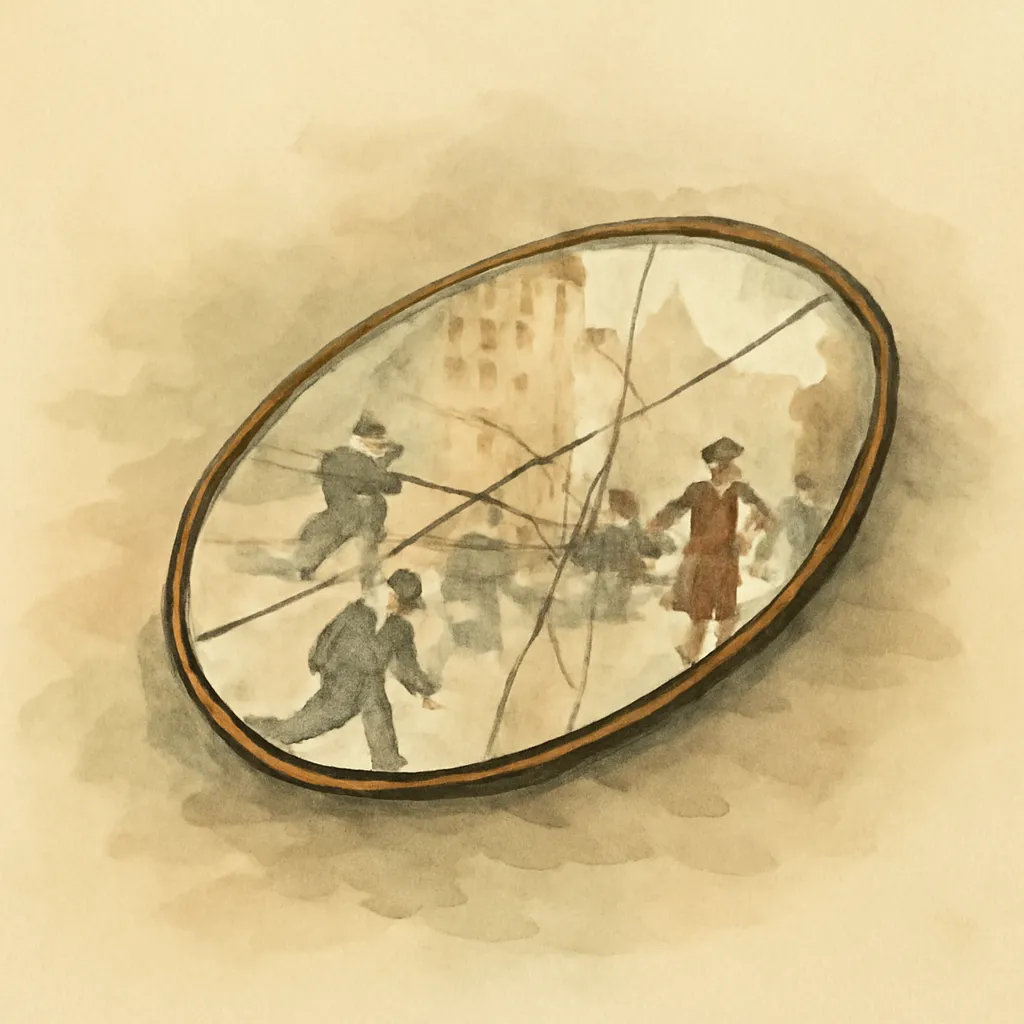
While our instant judgments can be powerful, Gladwell warns they are also susceptible to bias, prejudice, and error. He examines cases where snap decisions have led to disastrous outcomes, such as wrongful police shootings or misdiagnosed medical conditions. The book underscores the importance of understanding the limits of intuition and recognizing the contexts in which it is likely to fail.
3.The Unconscious Mind at Work
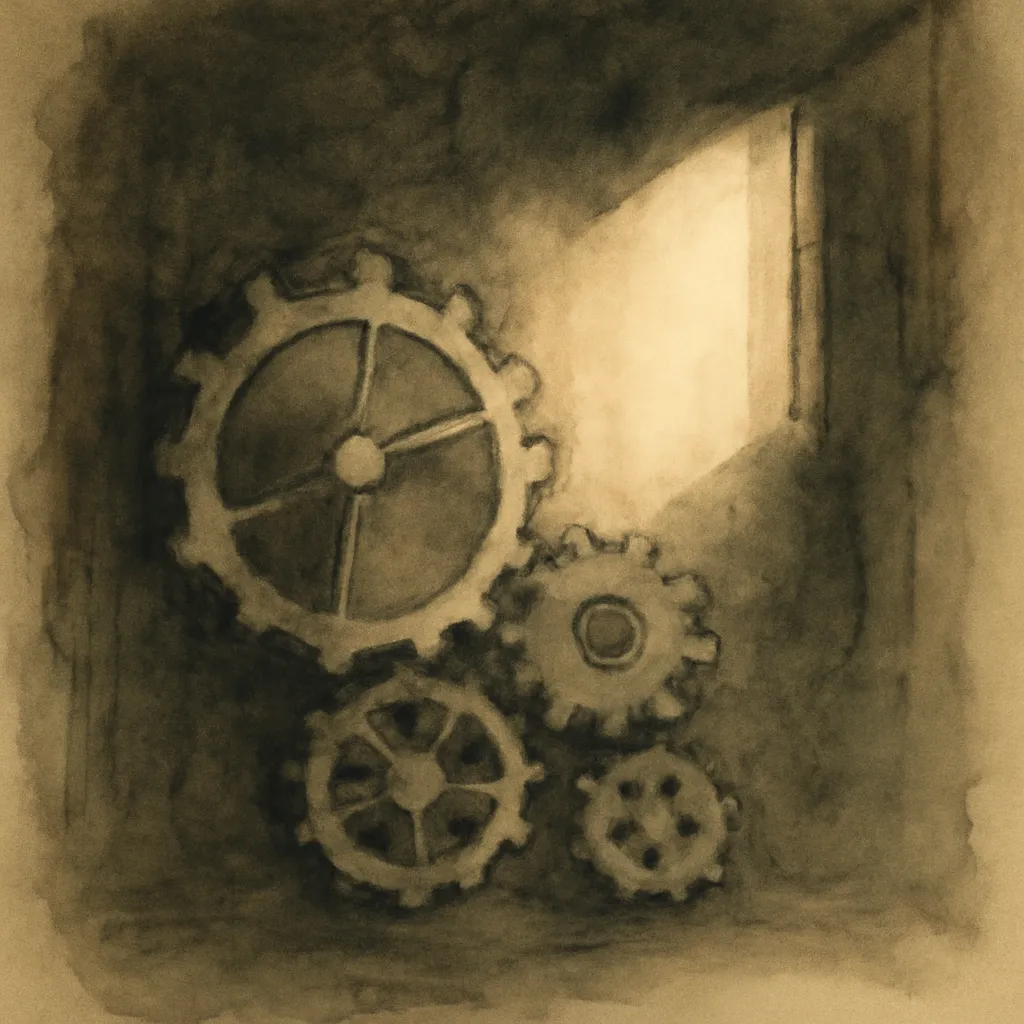
Blink delves into the workings of the unconscious mind, revealing how much of our thinking happens below the level of conscious awareness. Gladwell discusses how our brains rapidly process cues and patterns, often without our explicit knowledge. This unconscious processing can be a source of both wisdom and bias, making it crucial to examine the environments and experiences that shape our instincts.
4.Expertise and the Building of Instinct
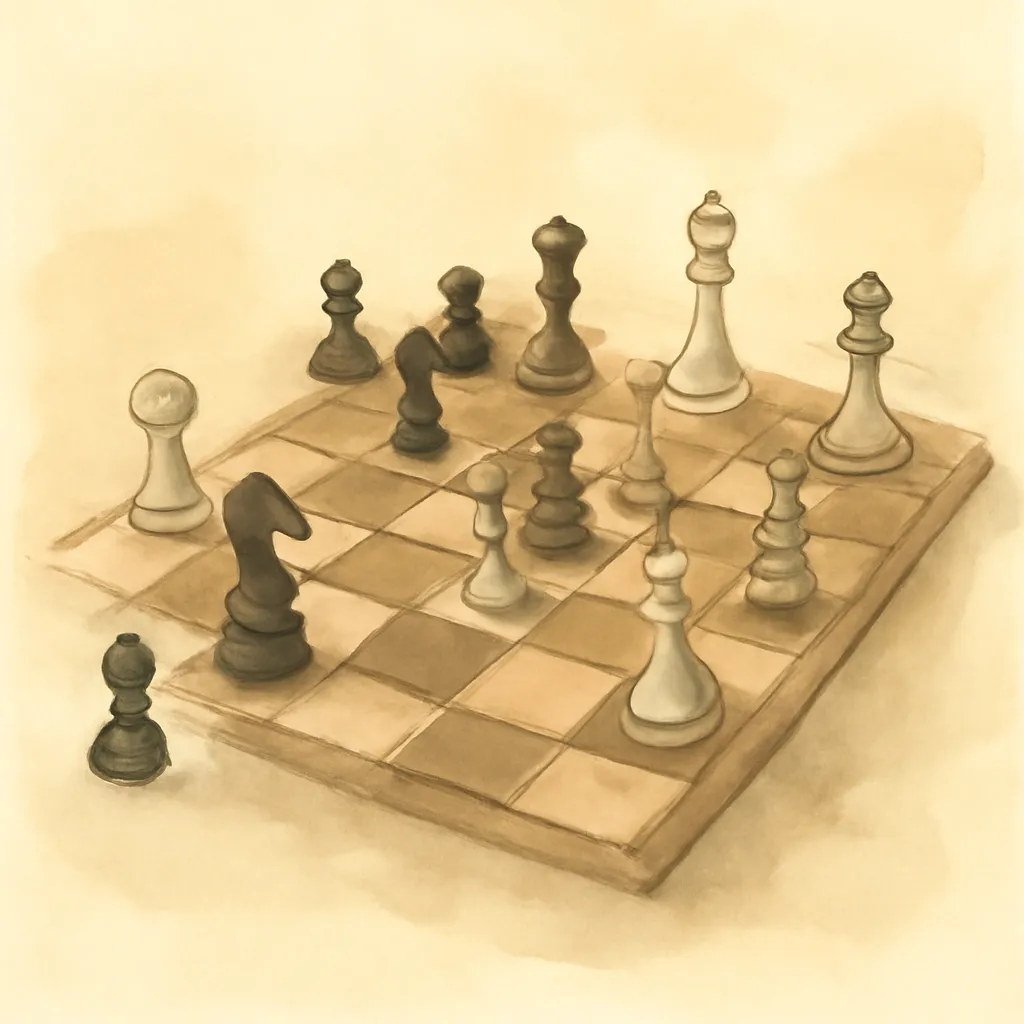
Gladwell emphasizes that reliable intuition is not innate, but developed through experience and practice. Experts are able to make accurate snap judgments because they have internalized complex patterns over time. The book suggests that cultivating expertise—and being aware of its boundaries—can help individuals and organizations make better decisions quickly.
5.The Dark Side of Rapid Cognition
The book doesn't shy away from the dangers of rapid cognition, such as implicit bias and stereotyping. Gladwell discusses how unconscious associations can shape our perceptions and actions, often in ways that contradict our conscious values. He calls for vigilance and self-awareness to mitigate these negative effects, especially in high-stakes or emotionally charged situations.
6.Improving Our Snap Judgments
Gladwell offers practical advice for refining our intuitive decision-making. By creating environments that reduce noise and distractions, encouraging reflection, and seeking diverse perspectives, we can help ensure our instincts are more accurate and less prone to error. The book encourages readers to balance instinct with analysis, using each where it is most effective.