1.The Bloodlands Defined
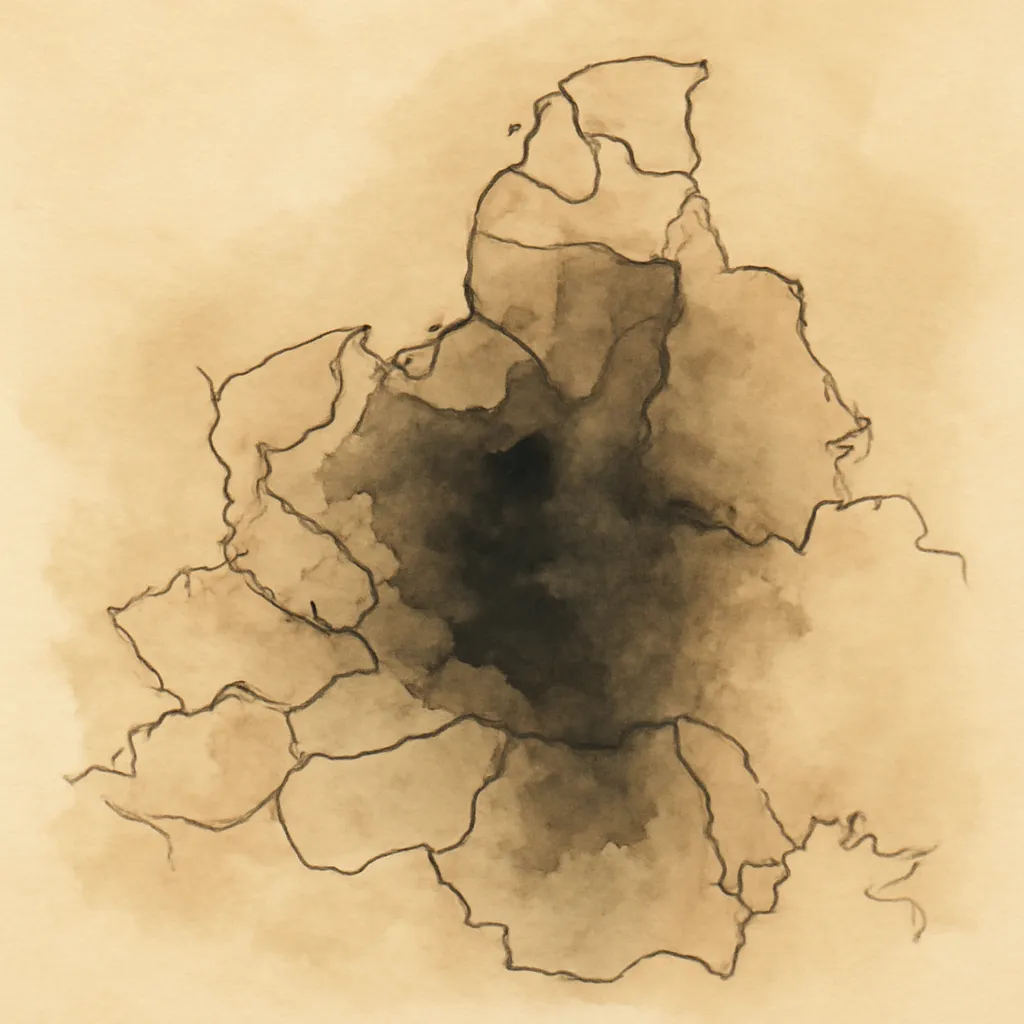
Snyder introduces the concept of 'Bloodlands'—the region stretching from central Poland through Ukraine, Belarus, and the Baltic states—where Nazi Germany and the Soviet Union’s policies overlapped and resulted in the murder of 14 million civilians. Rather than focusing on national histories, Snyder insists that understanding this space is crucial, as it was the epicenter of deliberate, state-sponsored mass killing. The book reframes the violence of the era not as isolated atrocities, but as interconnected events shaped by the ambitions and ideologies of both regimes.
2.Intertwined Atrocities
Rather than treating the Holocaust and Stalinist terror as separate tragedies, Snyder demonstrates how Nazi and Soviet crimes were often linked in both method and geography. Soviet policies like the Holodomor and the Great Terror set precedents for mass killing, while the chaos and dehumanization they caused made it easier for the Nazis to implement their genocidal plans. The book shows how the two regimes sometimes enabled, overlapped, or even competed in their brutality, deepening the suffering of local populations.
3.Beyond the Battlefield
Bloodlands shifts the focus from military history to the systematic targeting of civilians. Snyder meticulously documents how policies such as forced starvation, deportation, and mass shootings were not collateral damage but central strategies of both Stalin and Hitler. The book forces readers to recognize that the greatest loss of life in this period was not on the front lines, but among the defenseless: peasants, Jews, Poles, Ukrainians, and others caught between two murderous powers.
4.Numbers and Human Lives
Snyder is careful with numbers, emphasizing that each statistic represents countless individual tragedies. He challenges the abstraction of large-scale death by restoring the stories of victims and survivors. This approach humanizes the history, pushing against the tendency to let the scale of atrocity numb moral response. The book is a call to remember the specificity and dignity of those who suffered, not just the enormity of the crime.
5.Memory, Responsibility, and Historical Blind Spots
Bloodlands interrogates how postwar politics, especially the Iron Curtain, obscured the full story of these killings. Snyder argues that Cold War narratives often separated Nazi and Soviet crimes, impeding a comprehensive reckoning. He contends that understanding the Bloodlands is vital for moral and historical responsibility, as it challenges simplistic divisions between 'good' and 'evil' and exposes the dangers of ideological dehumanization.
6.The Dangers of Ideology
Snyder dissects how both Nazi and Soviet ideologies justified mass murder through utopian visions and the demonization of entire populations. The book warns that when states pursue grand projects without regard for individual lives, and when enemies are defined as entire groups, the potential for atrocity is unleashed. This insight is a sobering lesson for any era tempted by totalizing ideologies.