1.The Value of the Road Less Traveled
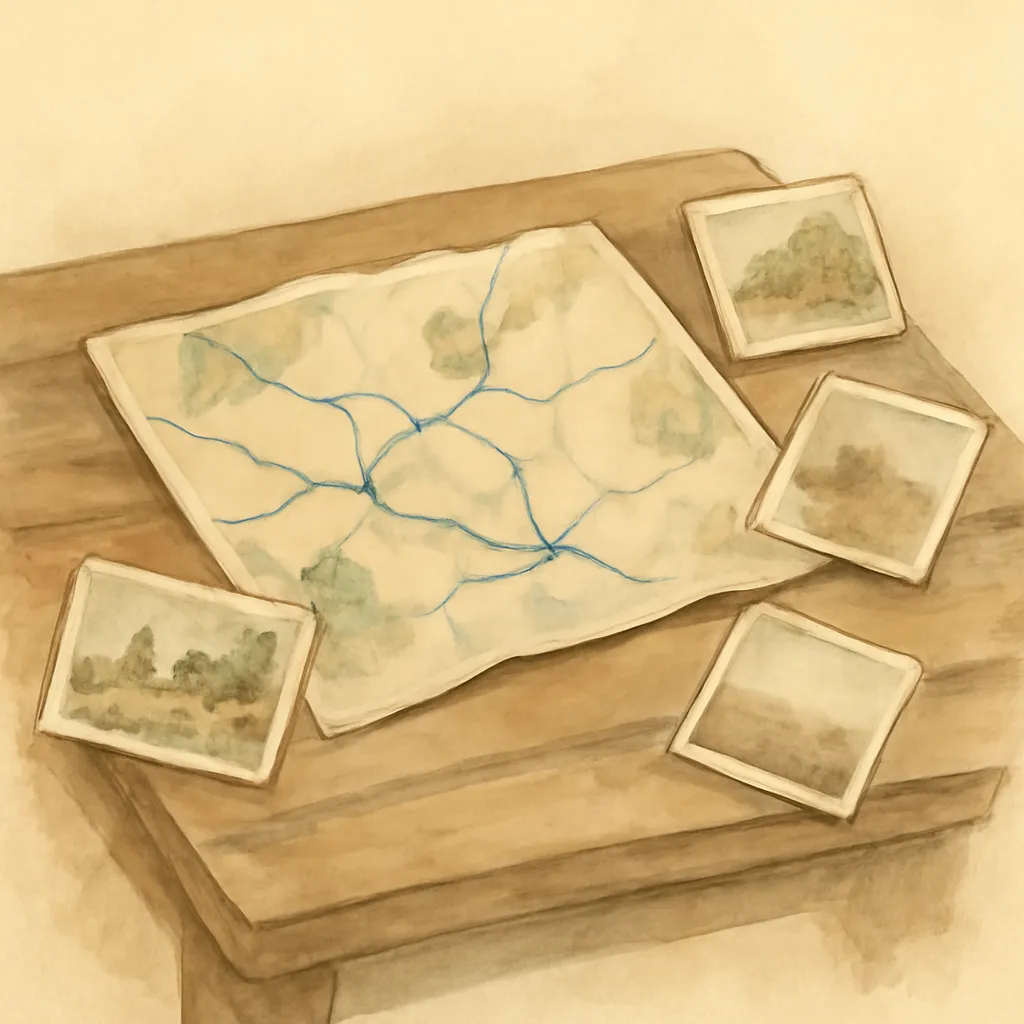
By choosing to drive only the 'blue highways'—the small, often forgotten roads on old maps—Heat Moon deliberately avoids the interstate system and the homogenized experience it brings. This choice is both literal and metaphorical: it reflects a desire to encounter the authentic, unvarnished America, and to resist the rush and sameness of modern life. The book suggests that meaning and discovery often lie off the beaten path, in places and people overlooked by mainstream narratives.
2.America’s Patchwork Identity
Throughout his journey, Heat Moon meets a wide array of Americans—bar owners, monks, fishermen, small-town eccentrics—each contributing to a nuanced portrait of the nation. Rather than a single, unified culture, the book reveals America as a mosaic of local histories, dialects, and traditions. The diversity of voices and experiences challenges stereotypes and highlights the complexity of national identity.
3.Personal Renewal Through Movement
The journey is prompted by personal crisis: Heat Moon loses his job and his marriage. The act of traveling becomes a form of self-therapy, a way to process loss and seek new purpose. The road offers solitude for reflection but also connection with strangers, suggesting that movement—physical and emotional—can be a catalyst for healing and transformation.
4.The Power of Listening and Storytelling
Heat Moon’s approach as a traveler is marked by curiosity and humility. He listens more than he speaks, allowing others’ stories to shape his understanding of place and self. The book itself is a tapestry of these stories, showing how attentive listening can foster empathy and bridge cultural divides.
5.Time, Place, and Impermanence
Blue Highways is attentive to the passage of time—both in the changing landscapes and in the fading of small-town ways of life. Heat Moon documents communities on the edge of disappearance, raising questions about what is lost in the march of progress. The book is suffused with nostalgia but also a sense of urgency to witness and record before these places vanish.
6.The Interplay of Solitude and Community
Traveling alone, Heat Moon experiences both the challenges and rewards of solitude. His encounters with others are more meaningful because of his isolation, and the book explores how solitude can deepen appreciation for fleeting moments of connection. The journey becomes a meditation on the balance between independence and belonging.