1.Red Oceans vs. Blue Oceans
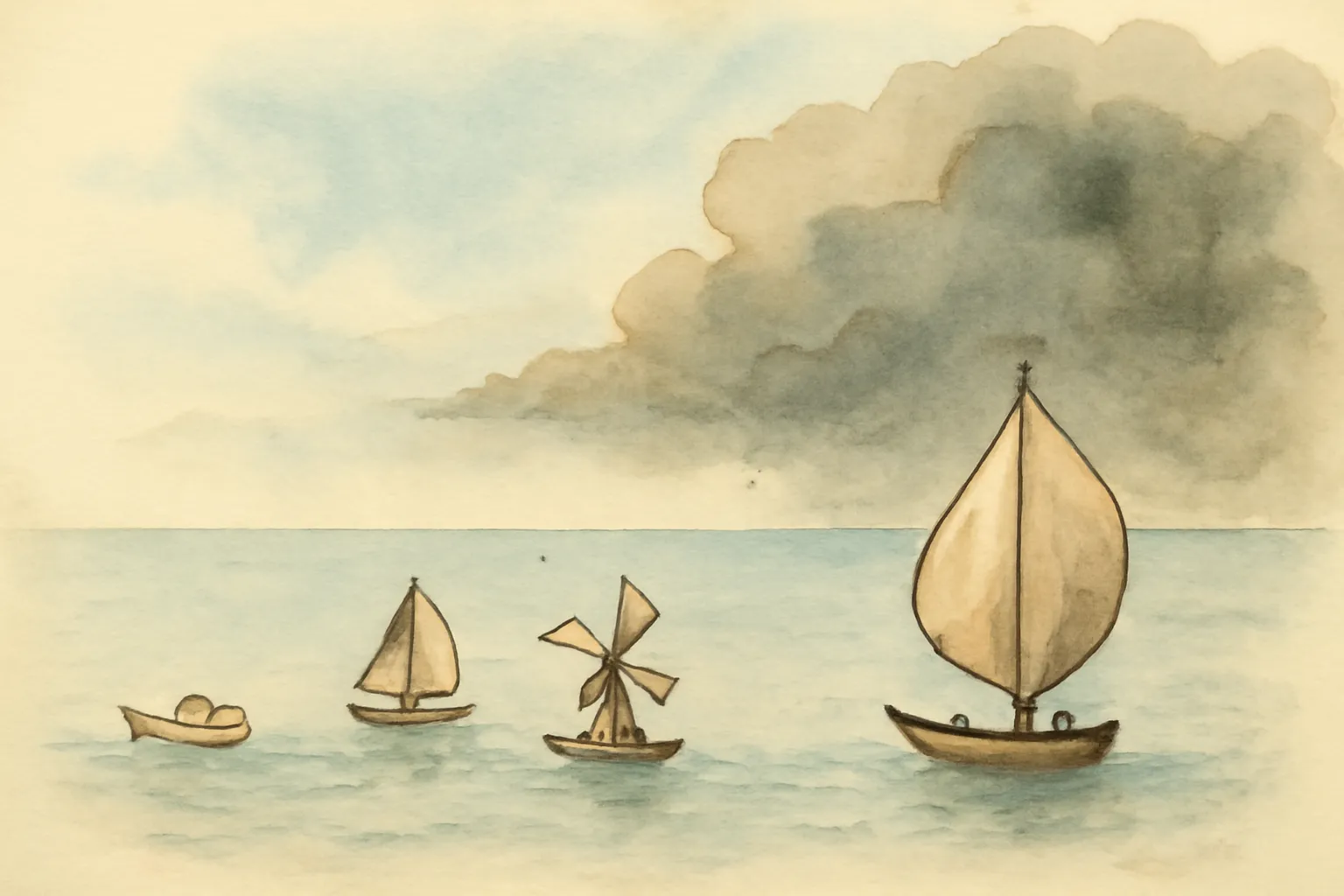
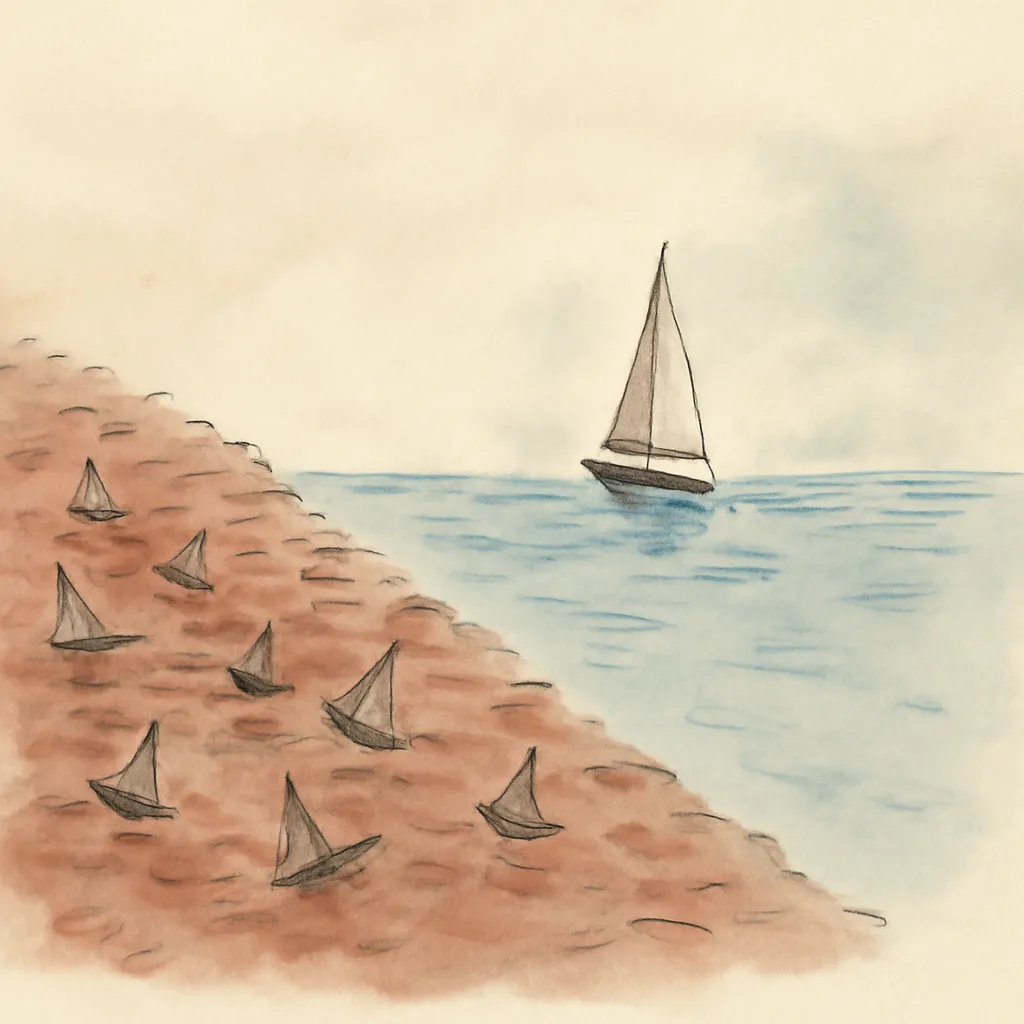
The book distinguishes between 'red oceans'—crowded, fiercely competitive markets where companies fight over shrinking profits—and 'blue oceans,' untapped new markets where competition is irrelevant. The central argument is that most businesses focus on outperforming rivals in red oceans, but true growth comes from creating blue oceans. This shift requires reimagining industry boundaries and looking beyond existing demand.
2.Value Innovation
Value innovation is the cornerstone of blue ocean strategy. Instead of choosing between differentiation and low cost, companies should pursue both simultaneously. This means offering customers new value while reducing costs, often by eliminating or reducing features that the industry takes for granted and raising or creating new elements that set the offering apart.
3.The Four Actions Framework
To systematically create blue oceans, Kim and Mauborgne introduce the Four Actions Framework: Eliminate, Reduce, Raise, and Create. By asking what factors should be eliminated, reduced, raised, or created, businesses can break away from industry norms and reconstruct value curves, leading to innovative offerings that appeal to new customer segments.
4.Reaching Beyond Existing Demand
Blue Ocean Strategy urges companies to look beyond current customers and target noncustomers—those who have been overlooked or underserved. By understanding why these groups have stayed away, businesses can uncover new sources of growth and expand the market in unexpected ways.
5.Strategic Sequencing and Risk Minimization
The book emphasizes the importance of sequencing a blue ocean move: starting with a compelling offering, ensuring strategic pricing, designing a profit model, and addressing adoption hurdles. This disciplined approach helps minimize risks and increases the likelihood that a new strategy will succeed.
6.Overcoming Organizational Hurdles
Implementing blue ocean strategy often requires overcoming internal resistance. The authors provide tools for mobilizing employees, aligning incentives, and building a culture that supports innovation. Leadership plays a critical role in driving change and ensuring that blue ocean thinking permeates the organization.