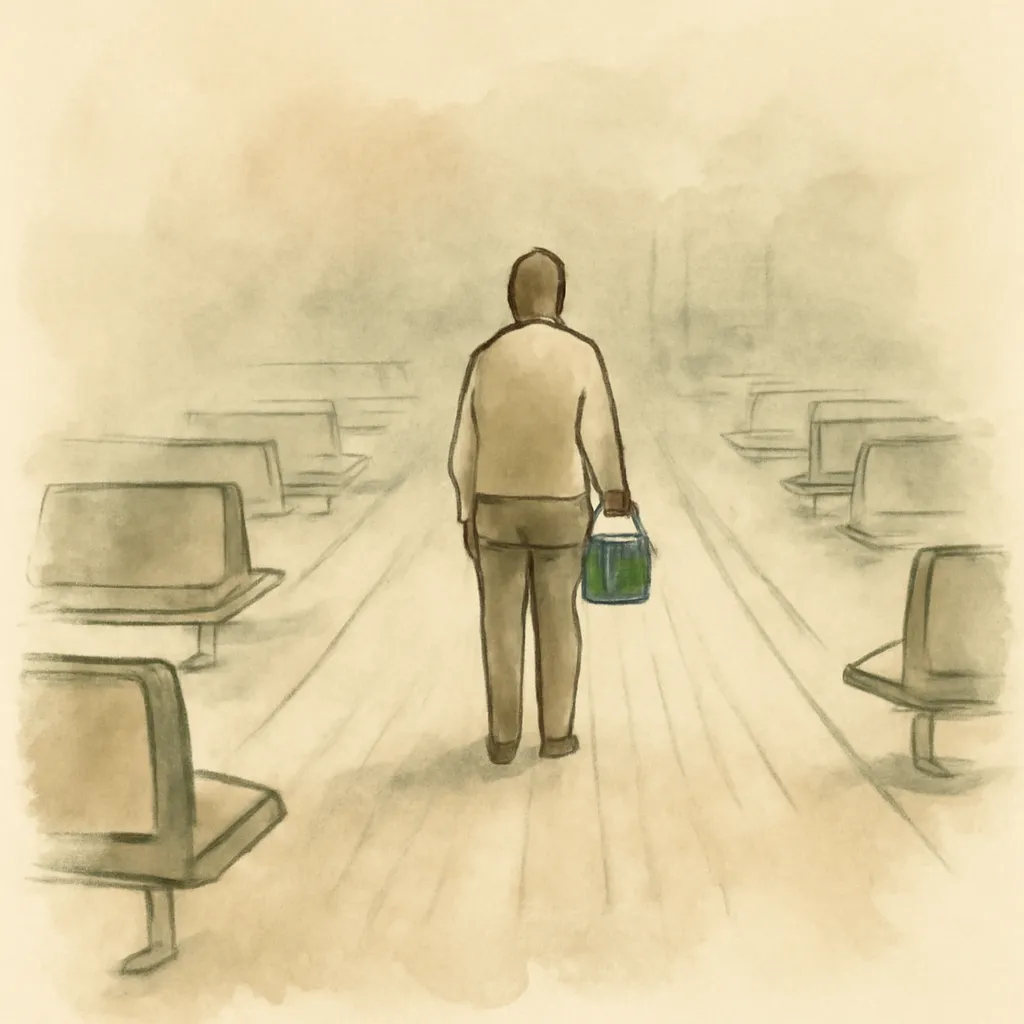
1.The Decline of Social Capital
Putnam's central thesis is that America's 'social capital'—the networks, norms, and trust that enable collective action—has eroded since the mid-20th century. He documents the decline in participation in civic organizations, clubs, religious groups, and even informal social gatherings. This loss of social capital, he argues, weakens the bonds that hold communities together and undermines both individual well-being and the functioning of democracy.
2.From Bowling Leagues to Bowling Alone
The book’s title metaphor captures a broader trend: Americans still bowl, but increasingly do so alone rather than in leagues. This shift reflects a move away from group activities toward more solitary or passive forms of recreation. Putnam uses this as a symbol for the fragmentation of community life, showing how once-common forms of social engagement have withered.
3.Consequences for Democracy and Health
Putnam connects the decline in social capital to tangible negative outcomes. Communities with lower social engagement experience less effective governance, lower trust in institutions, and weaker democratic participation. On a personal level, people with fewer social ties are less healthy, less happy, and even have shorter life expectancies. The book makes a compelling case that social connectedness isn’t just a nicety—it’s essential to societal and individual flourishing.
4.What Caused the Decline?
Putnam explores multiple explanations for the decline in social capital: generational change, increased work hours, suburbanization, television and later the internet, and shifting family structures. He argues that no single factor is solely responsible, but that changes in technology and culture have fundamentally altered how Americans interact with one another.
5.Can Social Capital Be Rebuilt?
Despite his sobering diagnosis, Putnam is not entirely pessimistic. He points to historical cycles of civic engagement and suggests that deliberate efforts—through policy, education, and community initiatives—could help rebuild social capital. The updated edition considers the ambiguous role of digital technology, noting both its potential to connect and to further isolate.
6.The Importance of Bridging vs. Bonding Social Capital
Putnam distinguishes between 'bonding' social capital (connections within homogeneous groups) and 'bridging' social capital (connections across diverse groups). While both are valuable, bridging capital is especially important for a healthy, pluralistic democracy. The decline in bridging ties, he warns, can lead to polarization and fragmentation.