1.The Fragility of Identity
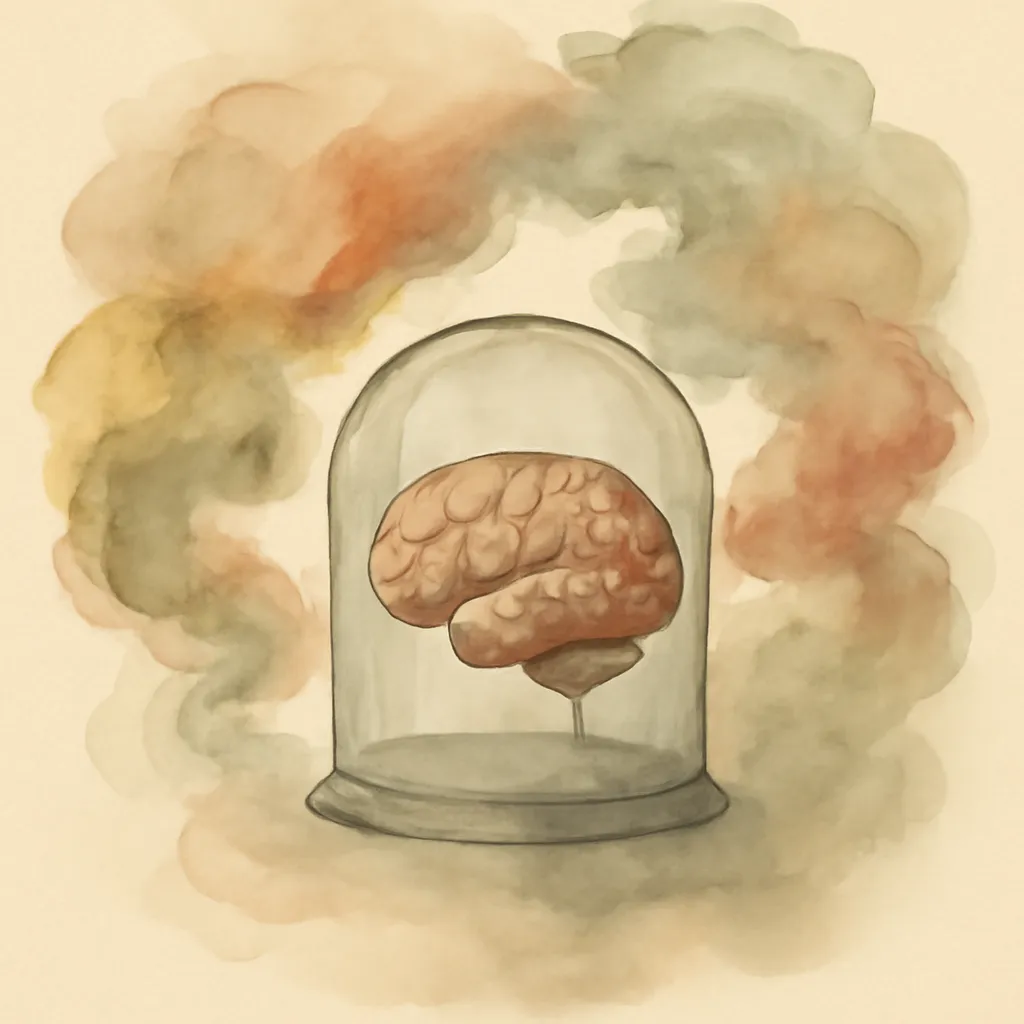
Cahalan’s experience with anti-NMDA receptor encephalitis reveals how quickly one’s sense of self can dissolve when the brain is under attack. As her illness progresses, she loses touch with reality, exhibiting paranoia, aggression, and memory loss. The memoir raises profound questions about what constitutes personal identity—how much of who we are depends on the healthy functioning of our brains—and how easily that can be disrupted by forces beyond our control.
2.The Blind Spots of Modern Medicine
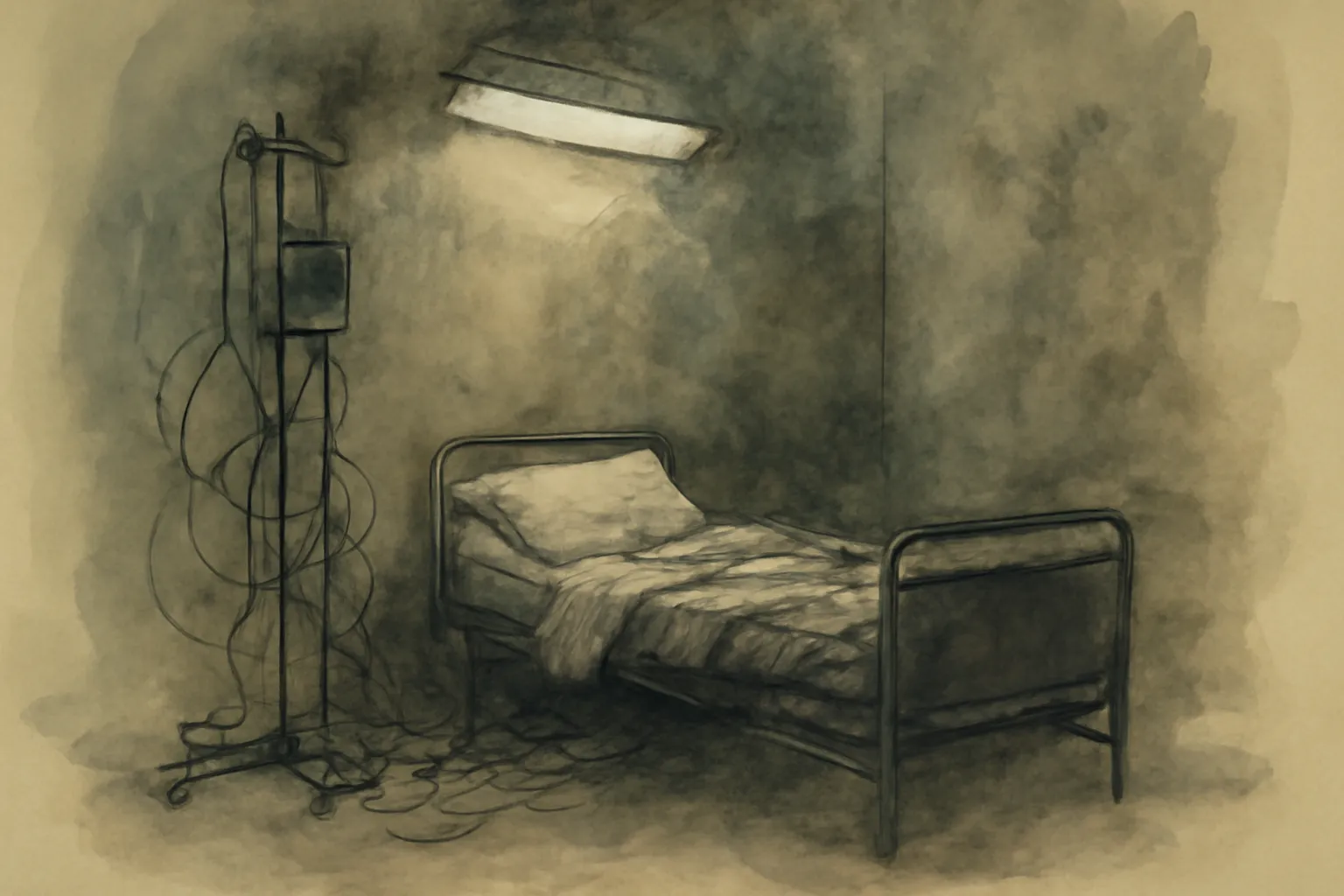
Cahalan’s journey exposes the limitations and biases inherent in the medical system. Despite clear symptoms, she is repeatedly misdiagnosed with psychiatric disorders or dismissed as a party girl. The book critiques a system that too often separates mind and body, and highlights the dangers of snap judgments, especially for young women. It underscores the need for humility, curiosity, and interdisciplinary thinking in medicine.
3.The Power of Advocacy
One of the memoir’s central themes is the importance of advocacy—by patients, families, and persistent doctors. Cahalan’s eventual diagnosis is only made possible by the determination of her parents and the insight of Dr. Souhel Najjar, who refuses to accept easy answers. The story demonstrates how critical it is to have advocates who fight for proper care, especially when patients are unable to speak for themselves.
4.The Intersection of Mental and Physical Health
Brain on Fire blurs the boundaries between psychiatric and neurological illness, showing how physical diseases can manifest as mental symptoms. Cahalan’s case illustrates the dangers of compartmentalizing health and the need for a more integrated approach. The book challenges readers to reconsider assumptions about mental illness and the stigma that can delay accurate diagnosis and treatment.
5.Reconstructing the Self Through Story
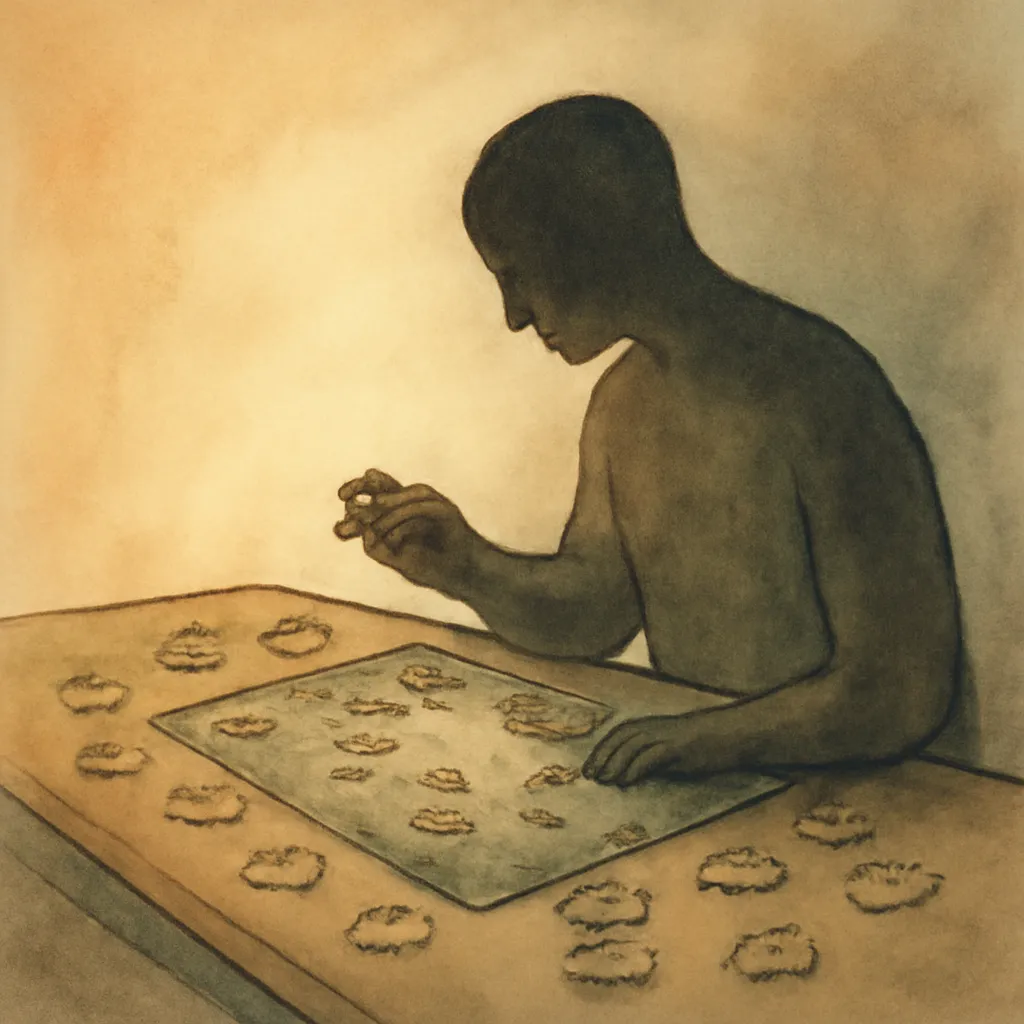
After her recovery, Cahalan must piece together the lost month of her life from medical records, video footage, and the accounts of others. The act of reconstructing her story becomes a way to reclaim her identity and make sense of her ordeal. The memoir itself is an act of healing, demonstrating the therapeutic power of narrative and the human need to understand even the most inexplicable experiences.
6.The Broader Implications for Diagnosis
Cahalan’s case was once thought to be rare, but her story has helped raise awareness of anti-NMDA receptor encephalitis and similar conditions. The book highlights the importance of considering rare or emerging diseases in differential diagnosis, and how one patient’s story can change medical practice and save countless others.