1.Inventive Magic Systems
Sanderson is renowned for his meticulously constructed magic systems, each with clear rules and unique limitations. In Mistborn, Allomancy uses metals to grant powers, while The Way of Kings introduces Surgebinding and Shardblades. The Rithmatist's chalk-based defenses and Alcatraz's quirky talents (like breaking things) show Sanderson's range, making magic feel logical yet wondrous. These systems drive plot and character growth, inviting readers to puzzle out their secrets alongside the protagonists.
2.Unlikely and Flawed Heroes
Across all four books, Sanderson centers his stories on characters who are outsiders, underdogs, or deeply flawed. Kaladin is a slave struggling with depression and duty; Vin is a street urchin learning to trust; Joel in The Rithmatist is powerless in a world of magic; Alcatraz is a self-deprecating misfit. Their journeys are about resilience and self-discovery, making their triumphs feel earned and relatable.
3.Hope in the Face of Oppression
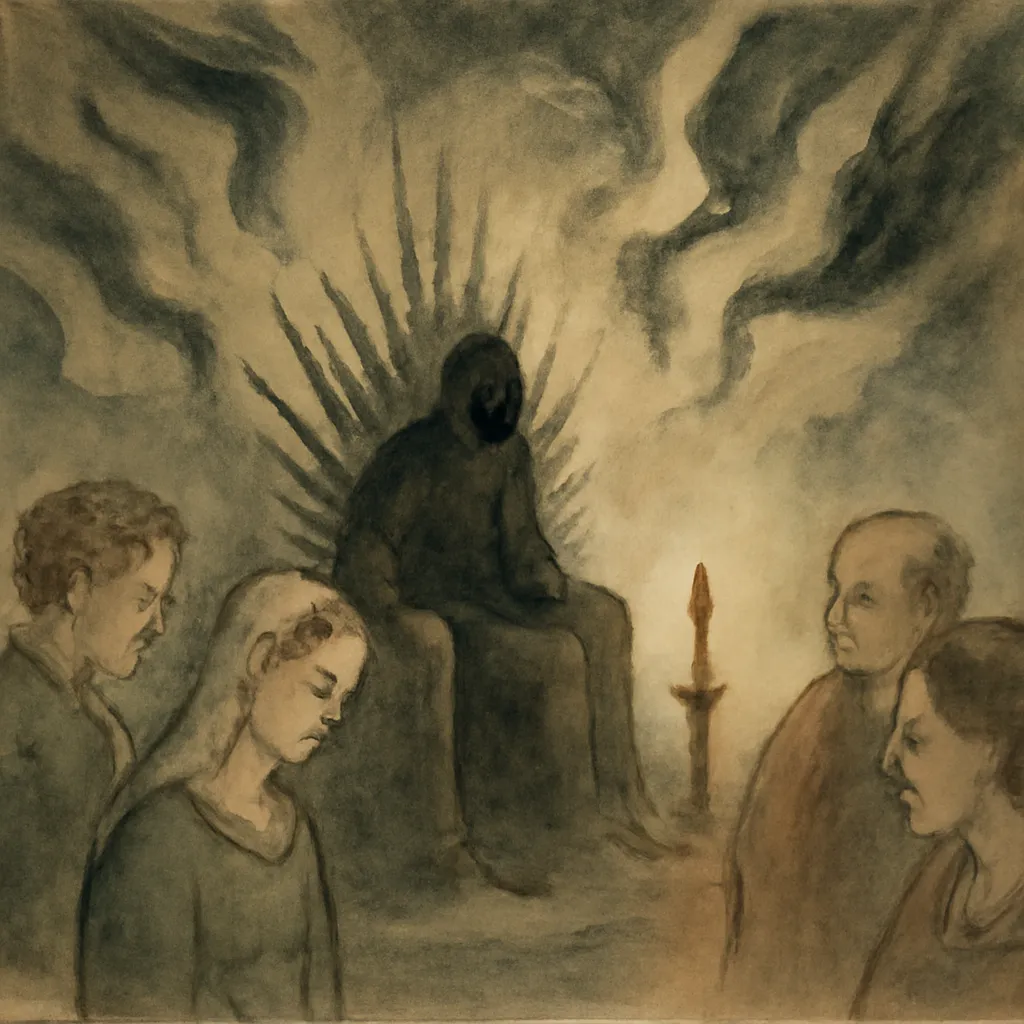
A recurring theme is resistance against overwhelming odds—whether it's the Lord Ruler's tyranny in Mistborn or the senseless war in The Way of Kings. Sanderson explores how hope, leadership, and small acts of courage can inspire change. These stories don't shy from darkness, but they ultimately affirm the possibility of redemption and transformation, both personal and societal.
4.Worldbuilding with Depth and Diversity
Each novel offers a fully realized world, from the ash-choked Final Empire to the storm-battered Shattered Plains. Cultures, religions, and histories are thoughtfully developed, creating settings that feel lived-in and dynamic. Even the more whimsical Alcatraz series has its own internal logic and satirical edge, showing Sanderson's versatility and attention to detail.
5.Accessible Yet Layered Storytelling
While The Way of Kings and Mistborn offer epic, multi-layered narratives, The Rithmatist and Alcatraz provide lighter, more accessible entry points—especially for younger readers. Yet all four books balance action, humor, and philosophical questions, making them engaging for a wide audience. Sanderson's clear prose and pacing ensure that even complex plots remain compelling.
6.Subversion of Fantasy Tropes
Sanderson often overturns genre expectations. He questions the nature of heroism, authority, and prophecy, and rarely gives easy answers. Villains may have sympathetic motives, and heroes are forced to confront their own failings. This subversion keeps the stories fresh and thought-provoking, appealing to both longtime fantasy fans and newcomers.