1.Modern Breathing Habits Are Damaging
Nestor argues that most people in the modern world have developed poor breathing habits—primarily mouth breathing and rapid, shallow breaths. These patterns, exacerbated by processed foods, sedentary lifestyles, and even orthodontics, contribute to a host of health issues, including sleep disorders, anxiety, and chronic diseases. The book explores how our facial structure has changed over generations, making optimal breathing more difficult, and why this matters for overall health.
2.The Power of Nasal Breathing
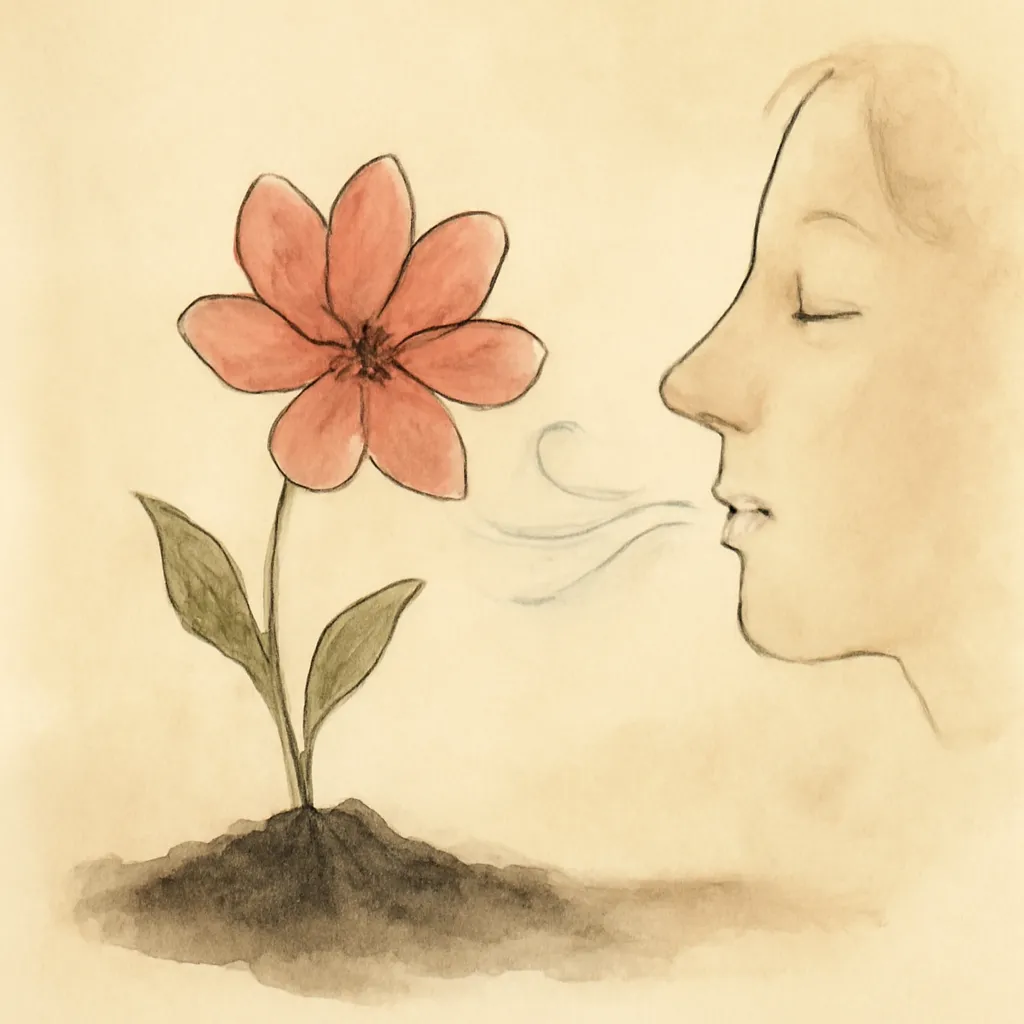
One of the book’s central claims is that nasal breathing is far superior to mouth breathing. Breathing through the nose filters, warms, and humidifies air, and also increases nitric oxide production, which benefits circulation and immune function. Nestor details experiments and research showing that switching to nasal breathing can improve sleep quality, reduce snoring, and enhance athletic performance.
3.The Importance of Slow and Deep Breaths
Nestor emphasizes that slower, deeper breaths—ideally around 5.5 breaths per minute—can have profound effects on the nervous system, reducing stress and improving cardiovascular health. He highlights both ancient practices and modern studies that show how controlled breathing can balance the body’s oxygen and carbon dioxide levels, leading to greater energy and mental clarity.
4.Ancient Wisdom Meets Modern Science
The book bridges ancient breathing techniques, such as Pranayama and Tummo, with contemporary scientific research. Nestor travels to meet practitioners and scientists, illustrating how these age-old methods are now being validated by rigorous studies. This synthesis suggests that many traditional practices hold untapped potential for modern health challenges.
5.Breathing as Preventive and Restorative Medicine
Nestor presents compelling evidence that conscious breathing can help manage or even reverse conditions like asthma, autoimmune disorders, and scoliosis. He shares stories of individuals who have transformed their health through breathwork, making the case that breathing is a powerful, underutilized tool in preventive medicine and rehabilitation.
6.Practical Techniques for Everyday Life
Breath doesn’t just diagnose problems; it offers practical solutions. Nestor provides readers with actionable breathing exercises and tips, from simple breath counts to more advanced methods. These techniques are accessible and can be incorporated into daily routines, empowering readers to take control of their health with every breath.