1.The Quest for Belonging
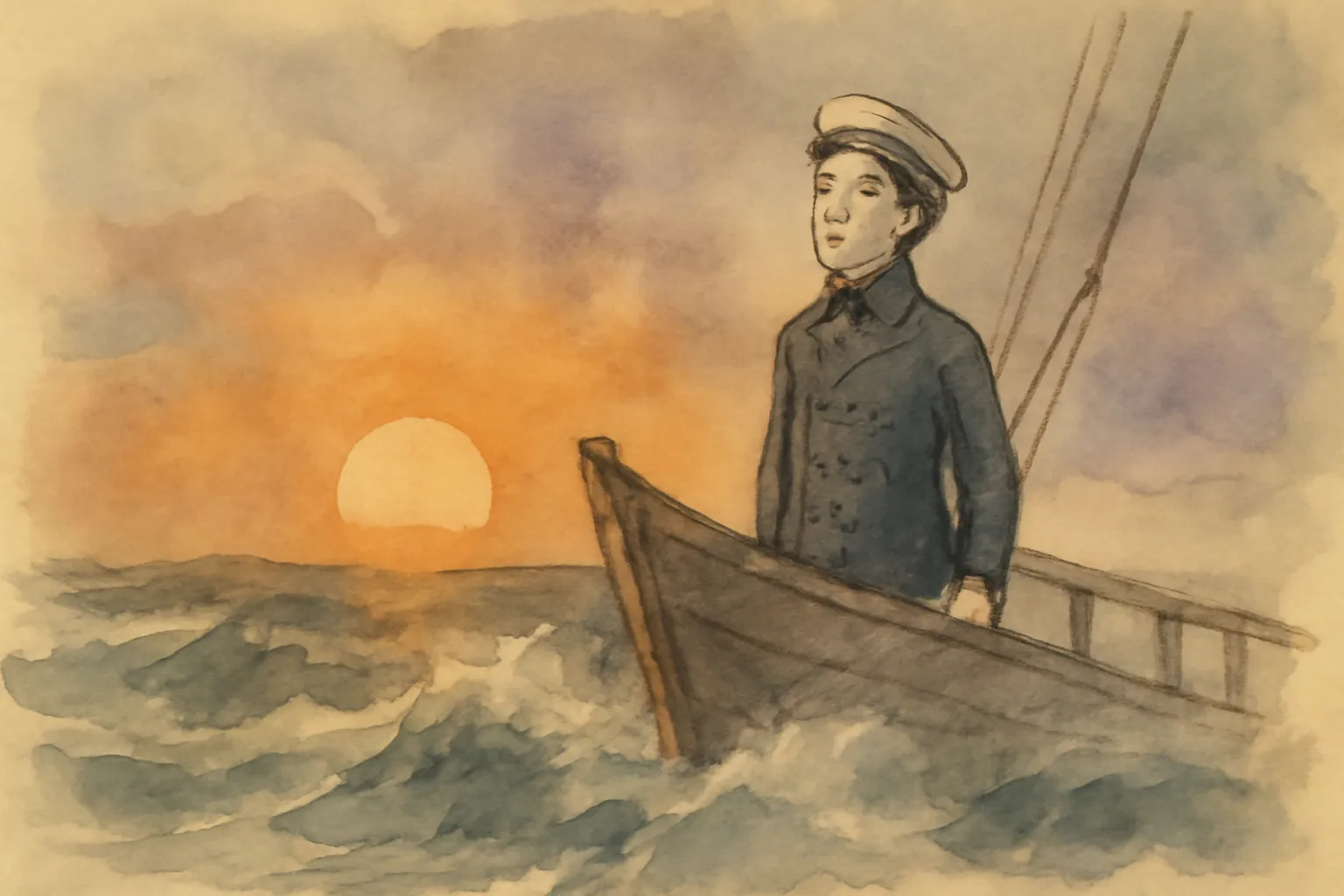
Will Gilmore's story begins with his status as an orphan, which sets the stage for his longing to find his place in the world. After the death of his father, a wandering musician, Will is left without family or clear direction. This initial sense of loss and isolation drives him to seek a new identity through adventure. The decision to join the navy represents not only a desire for action but also a quest for belonging—a chance to become part of something larger than himself. The camaraderie found among fellow sailors fills the void left by his father's death, illustrating how shared experiences can forge strong bonds. Throughout the narrative, Henty emphasizes that the search for connection is a fundamental human experience, making Will's journey relatable to readers of all ages. The village of Scarcombe, where Will begins his life, serves as a microcosm of community and belonging, emphasizing how social ties are crucial for personal development.
2.The Influence of Friendship
The relationships Will forms, particularly with Tom Stevens, serve as central pillars of support in his life. Tom's unwavering loyalty and willingness to share in Will's adventures highlight the theme of friendship as a source of strength. Their bond is tested through various trials, including battles and the rigors of naval life, yet it remains a constant source of encouragement. Henty portrays friendship as essential for personal growth, demonstrating how mutual support can inspire individuals to overcome challenges. The moments of light-hearted camaraderie contrast sharply with the harsh realities of war, reinforcing that friendships are vital for maintaining morale. The duo’s interactions illustrate the importance of having someone to rely on during tough times, showcasing that true friends uplift one another. Additionally, this theme prompts readers to reflect on their own friendships and the significance of loyalty and support in their lives, encouraging an appreciation for the bonds we create and nurture.
3.The Harsh Realities of Naval Warfare
Henty does not shy away from depicting the brutal realities of life at sea during the Napoleonic Wars. Through Will's experiences, readers are exposed to the grueling training, strict discipline, and life-threatening dangers faced by sailors. The vivid descriptions of daily tasks—from scrubbing decks to manning cannons—paint a clear picture of the sailors' harsh existence. Will's initiation into naval life is rife with challenges that test both his physical and mental resilience. The author captures the camaraderie among sailors, who rely on each other for support in a perilous environment. The depiction of naval battles is intense and dramatic, illustrating the chaos of combat and the psychological toll it takes on those involved. Henty’s accounts of sea battles convey not only the excitement of naval engagements but also the profound fear and uncertainty that accompany them. By presenting these realities, Henty fosters a deeper understanding of the sacrifices made by sailors and the true cost of war, inviting readers to empathize with the struggles of those who served.
4.Courage and Bravery
The theme of courage permeates 'By Conduct and Courage', exemplified through Will's actions in various conflicts. Courage is not solely about physical prowess; it encompasses moral strength and the willingness to confront fear. Will's journey from a timid boy to a brave midshipman illustrates the transformative power of facing challenges head-on. Moments of bravery often occur in the heat of battle, such as when Will risks his life to save a fellow sailor. Henty emphasizes that true courage involves not only the absence of fear but also the determination to act in the face of it. Will's development reflects the idea that bravery can be cultivated through experiences, teaching readers that they, too, can rise to the occasion when confronted with adversity. The author showcases various instances where Will stands firm in the face of danger, reinforcing the notion that courage is a choice that can be made, regardless of one’s background or circumstances.
5.Lessons in Leadership
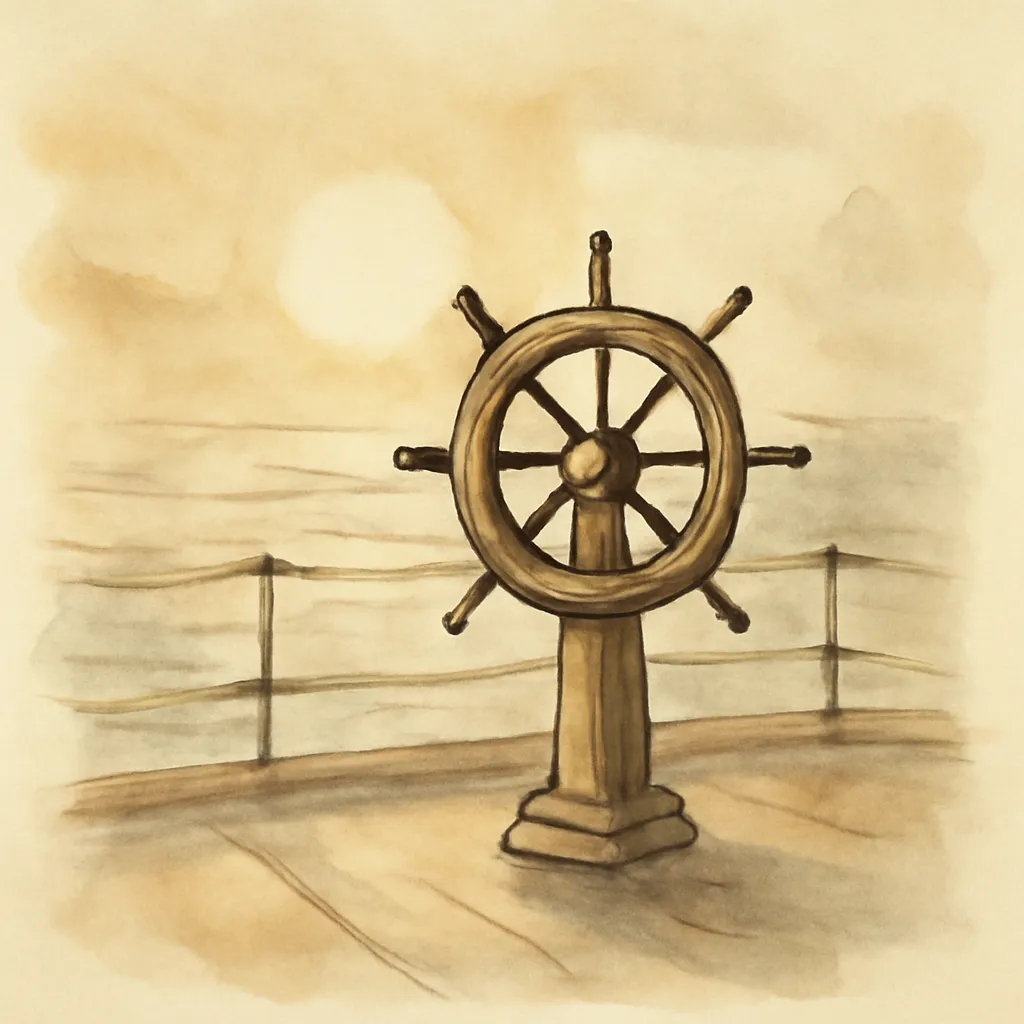
As Will matures, he learns valuable lessons about effective leadership. His interactions with superior officers, such as Captain Knowles and Admiral Jervis, provide insight into what it means to lead with integrity and purpose. Henty illustrates that good leaders earn respect through their actions, empathy, and decisiveness. Will's own rise to command embodies the qualities of a true leader—he is respected by his crew not only for his rank but for his character. The narrative reveals that leadership is not merely about authority but about serving others, as Will learns to prioritize the well-being of his comrades. Through various challenges, he navigates the responsibilities that come with leadership, emphasizing the need for moral clarity and the ability to inspire those around you. This exploration of leadership offers readers a framework for understanding how one can exhibit leadership qualities, regardless of their position, and encourages them to embrace these values in their own lives.
6.Moral Complexity of War
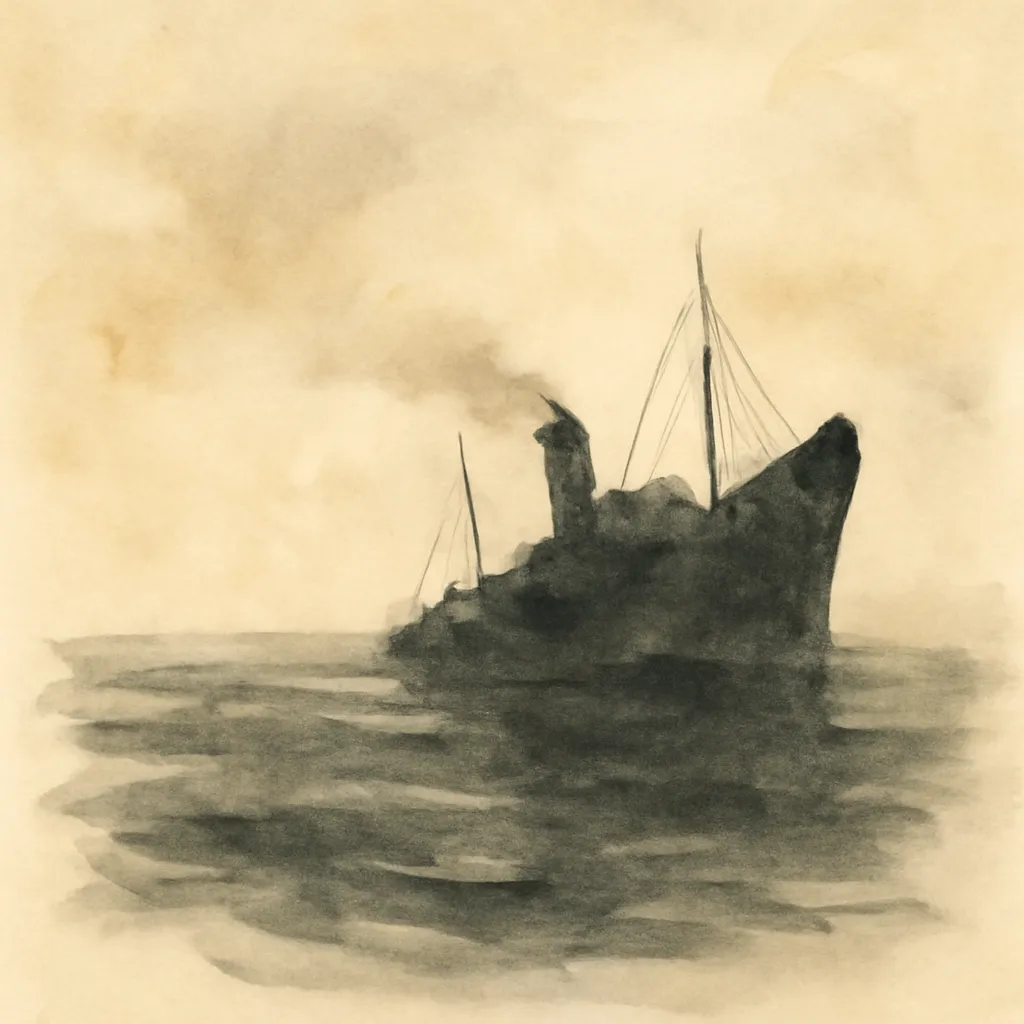
The narrative delves into the moral complexities of warfare, challenging Will's understanding of honor and duty. Throughout the story, Will grapples with ethical dilemmas, particularly regarding the treatment of prisoners and the consequences of violence. Henty presents a nuanced view of war, demonstrating that while it can bring out the best in individuals, it can also lead to moral ambiguity and difficult choices. Will's internal struggles highlight the need for a strong moral compass, especially in the chaotic environment of battle. He faces decisions that test his values, often weighing the line between duty and compassion. The author encourages readers to reflect on the ethical implications of war and the impact of personal decisions in high-pressure situations. By illustrating the tension between personal beliefs and the demands of military service, Henty deepens the moral discourse surrounding warfare and invites readers to consider the broader human experience during conflict.
7.The Historical Context of Adventure

Set against the backdrop of the Napoleonic Wars, the historical context profoundly shapes the narrative. Henty weaves real historical events and figures into Will's fictional journey, creating an engaging and authentic experience. The depiction of naval battles, strategic challenges, and the political climate of the time enhances the story's credibility. Readers witness how Will's personal journey intersects with broader historical events, illustrating the interconnectedness of individual experiences and historical moments. For instance, the depiction of significant naval engagements provides insight into the tactics used during the period, while also highlighting the bravery of the sailors involved. This context not only enriches the narrative but also informs the characters' motivations and actions. Henty's meticulous attention to historical detail invites readers to engage with the past, encouraging them to learn from history while being entertained by the gripping adventures of Will Gilmore.
8.Coming of Age in a War-Torn World

Will's transformation from a boy to a man encapsulates the coming-of-age journey set against the backdrop of war. His growth is marked by trials that test his character, resilience, and moral fortitude. As he navigates the challenges of naval life, Will learns important lessons about responsibility, sacrifice, and the cost of ambition. Henty portrays this maturation process with sensitivity, illustrating how the trials of war and the bonds of friendship contribute to Will's development. Alongside the excitement of battle, readers witness quieter moments of reflection, emphasizing the internal changes that accompany external challenges. Will's journey serves as a universal representation of the transition into adulthood, making it relatable for readers as they reflect on their own paths to maturity. The author balances the harsh realities of war with moments of personal triumph and growth, giving readers a nuanced understanding of what it means to grow up amidst chaos.
9.Adventure as a Catalyst for Growth
Adventure is a central theme in Will's journey, acting as a catalyst for his personal growth and transformation. The unpredictable nature of naval life exposes him to various experiences that challenge his limits and expand his horizons. Each adventure—whether it be a fierce battle, a daring rescue, or a perilous journey—shapes his character and skills. Henty emphasizes that stepping outside of one’s comfort zone is essential for personal growth. Will's adventures remind readers that embracing challenges can lead to profound self-discovery and empowerment. The excitement of naval encounters and the unpredictability of life at sea highlight the joys and trials of adventure, encouraging readers to seek out their own experiences. By portraying the thrill and danger of adventure, Henty inspires readers to step into the unknown, suggesting that growth often occurs when one is willing to take risks.
10.Legacy of Conduct and Courage
Ultimately, 'By Conduct and Courage' conveys the powerful message that one’s actions shape their legacy. Will's journey underscores the importance of integrity, bravery, and moral fortitude in determining how one is remembered. The title itself reflects the core values guiding Will throughout his life and career. Henty posits that greatness is not merely a product of success in battle but is achieved through the conduct one exhibits in all aspects of life. This notion resonates with readers, encouraging them to consider how their own actions contribute to their legacy and the world around them. The story serves as a reminder that everyone has the potential to leave a meaningful impact through their choices and behaviors. By focusing on conduct and courage, Henty encourages readers to aspire to greatness, reflecting on the qualities that make individuals truly admirable.