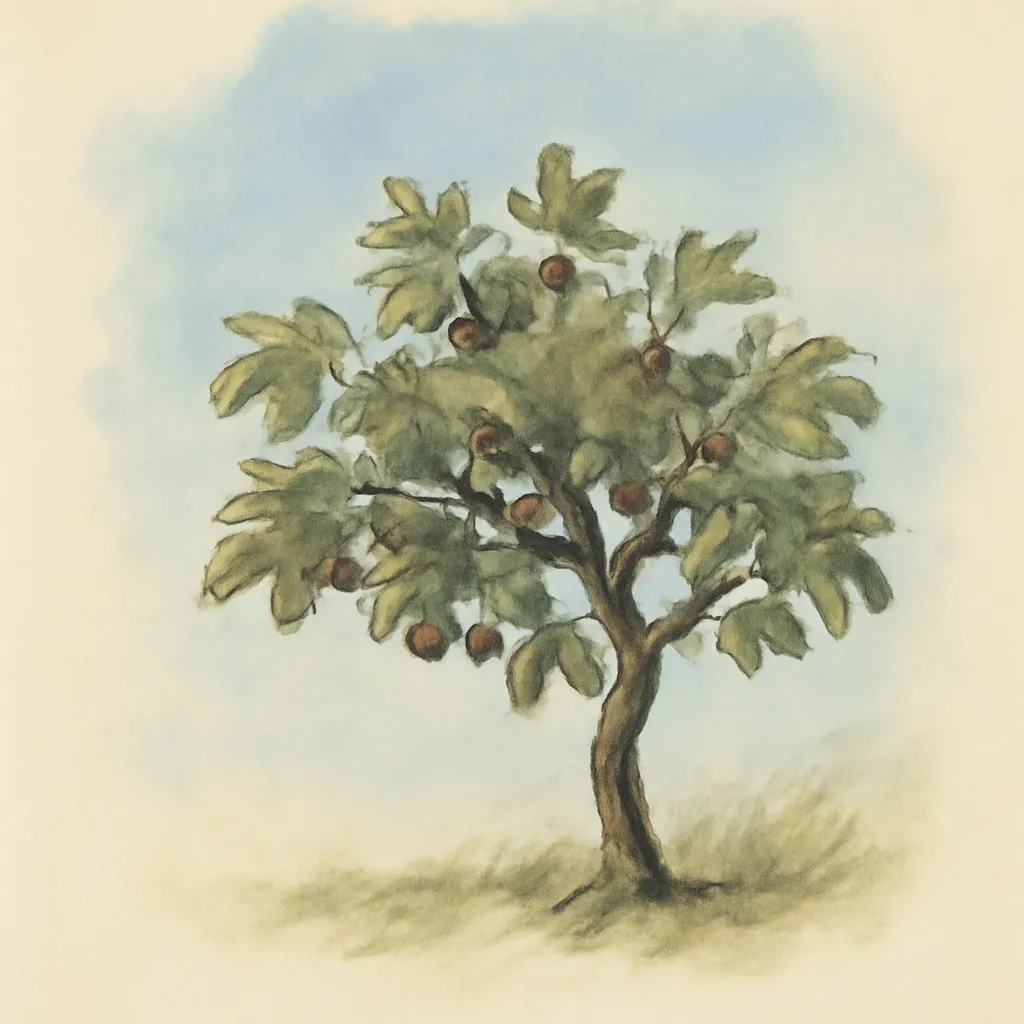
1.The Intensity of First Love
Aciman captures the all-consuming nature of adolescent infatuation through Elio’s perspective. The narrative immerses readers in the protagonist’s obsessive longing, uncertainty, and exhilaration as he navigates his feelings for Oliver. The story does not shy away from the confusion, fear, and anticipation that accompany a first romantic experience, making the emotional stakes feel both universal and deeply personal.
2.Desire and Ambiguity
Desire in Call Me by Your Name is layered with ambiguity—sexual, emotional, and intellectual. The relationship between Elio and Oliver unfolds through subtle gestures, coded language, and moments of hesitation, reflecting the difficulty of articulating and acting on forbidden or unspoken feelings. This ambiguity heightens the tension and realism of their connection, inviting readers to reflect on the ways desire is often veiled and fraught.
3.The Role of Setting
The Italian summer villa is more than a backdrop; it is a sensory landscape that mirrors the characters’ inner lives. Aciman’s lush descriptions of sun, fruit, water, and ancient architecture evoke a sense of timelessness and sensuality. The setting amplifies the fleeting, golden quality of the romance, underscoring themes of ephemerality and nostalgia.
4.Memory and the Passage of Time
The novel is structured as a recollection, with Elio narrating from a point years after the events. This retrospective lens infuses the story with longing and regret, as Elio grapples with the permanence of memory versus the impermanence of experience. Aciman explores how formative relationships are both cherished and mourned, shaping identity long after they end.
5.Identity, Shame, and Acceptance
Elio’s journey is also one of self-understanding. The novel probes the intersection of sexuality, shame, and acceptance, particularly in the context of family and societal expectations. The supportive, nuanced portrayal of Elio’s parents—especially his father’s empathetic wisdom—offers a counterpoint to the secrecy and fear that often surround queer coming-of-age stories.
6.Language, Art, and Intellectual Intimacy
Aciman weaves references to literature, music, and philosophy throughout the novel, highlighting how intellectual and artistic affinities can deepen emotional bonds. The conversations and shared cultural touchstones between Elio and Oliver serve as both a bridge and a barrier, reflecting the complexity of intimacy beyond the physical.