1.Buck's Transformation Begins
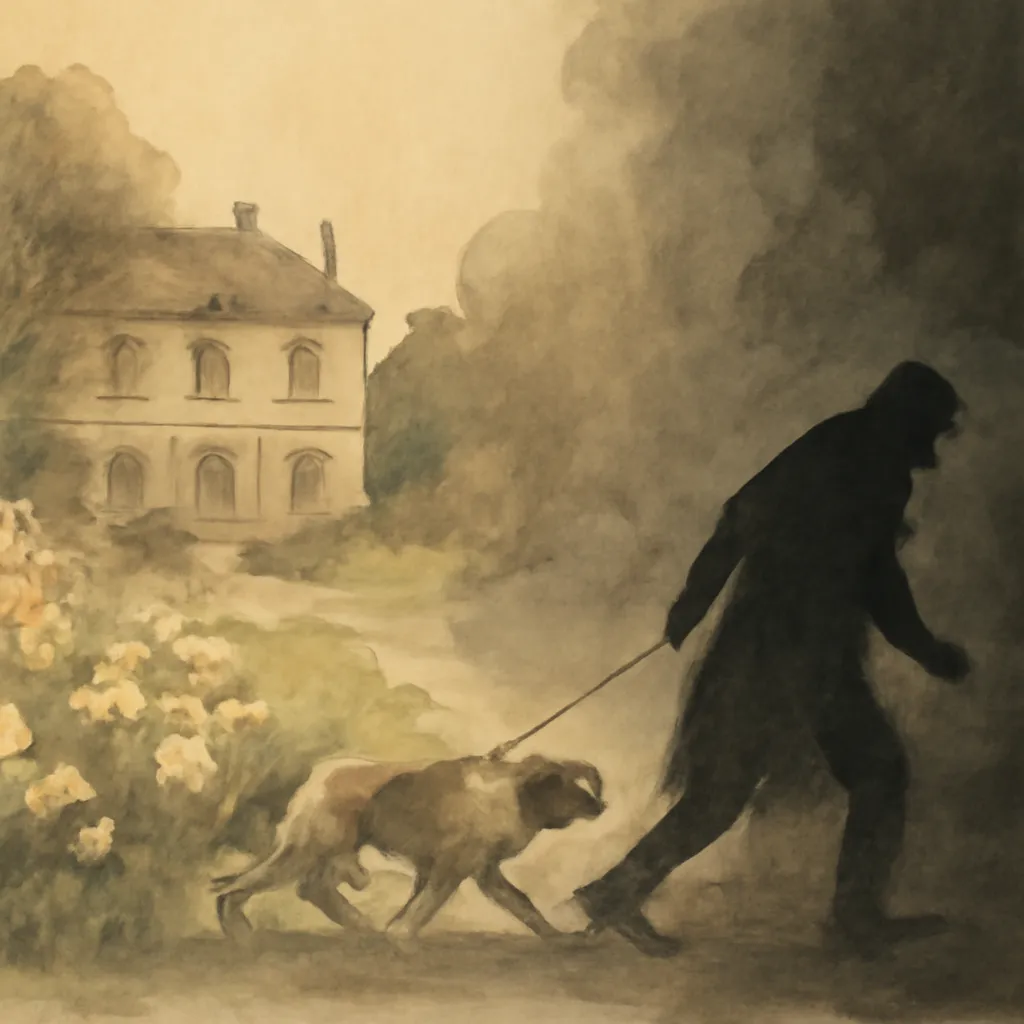
Buck's life of luxury in the Santa Clara Valley comes to an abrupt end when he is stolen from his home and sold into the harsh life of an Alaskan sled dog. This dramatic shift marks the beginning of Buck's transformation from a pampered pet to a creature of the wild. The harsh realities of the Yukon strip away his domesticated behaviors, forcing him to adapt quickly or perish. The initial shock of encountering the law of club and fang is a pivotal moment; Buck learns that survival here is governed by strength and cunning rather than the comforts he once knew. This transformation illustrates not just Buck's physical adaptation, but also a profound psychological shift as he begins to embrace his ancestral instincts.
2.The Savage World of the Yukon
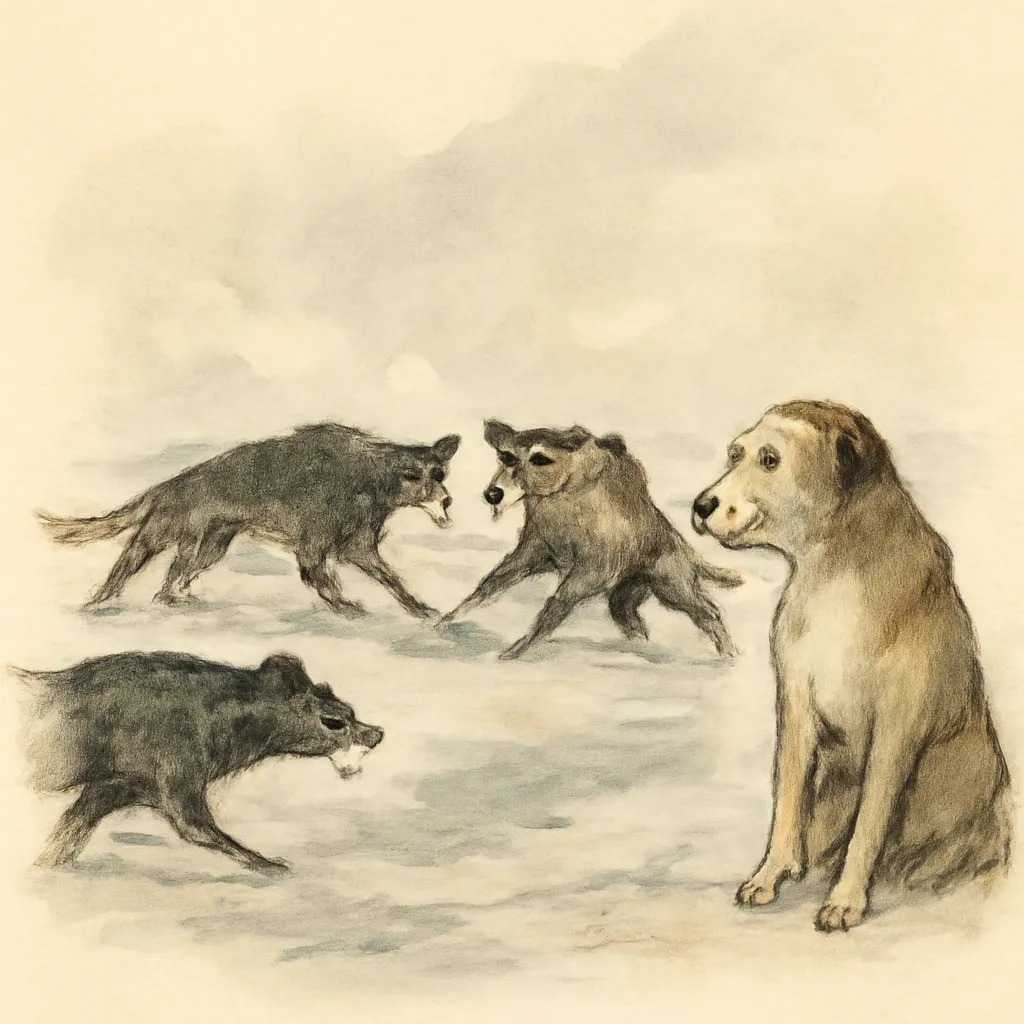
Upon his arrival at the Dyea beach, Buck is thrust into a world where chaos reigns, and every moment is fraught with danger. The environment is unforgiving, filled with savage dogs and brutal men who know no mercy. Buck's first encounter with the ferocity of his fellow canines, particularly the brutal fight that leads to Curly's death, serves as a harsh introduction to this new reality. Here, the instinct for survival is paramount, and Buck must learn to navigate this treacherous landscape where the only law is the law of the wild. This chaos forces Buck to rely on his instincts, a theme that resonates throughout the narrative as he learns to adapt to his new life.
3.The Emergence of the Primal Beast
As Buck faces the brutal conditions of trail life, the dormant instincts within him awaken, revealing the 'dominant primordial beast' that lies beneath his civilized exterior. This awakening is not immediate; it is a gradual process characterized by cunning and control. Buck learns to read the motivations of those around him, including his rival Spitz, with whom he has a complex and antagonistic relationship. The competition for leadership within the sled team becomes a focal point of Buck's evolution. Rather than acting impulsively, he bides his time, allowing his natural instincts to guide him toward eventual dominance. This internal struggle highlights the tension between his learned behaviors as a domestic dog and his inherent wildness.
4.The Fight for Leadership
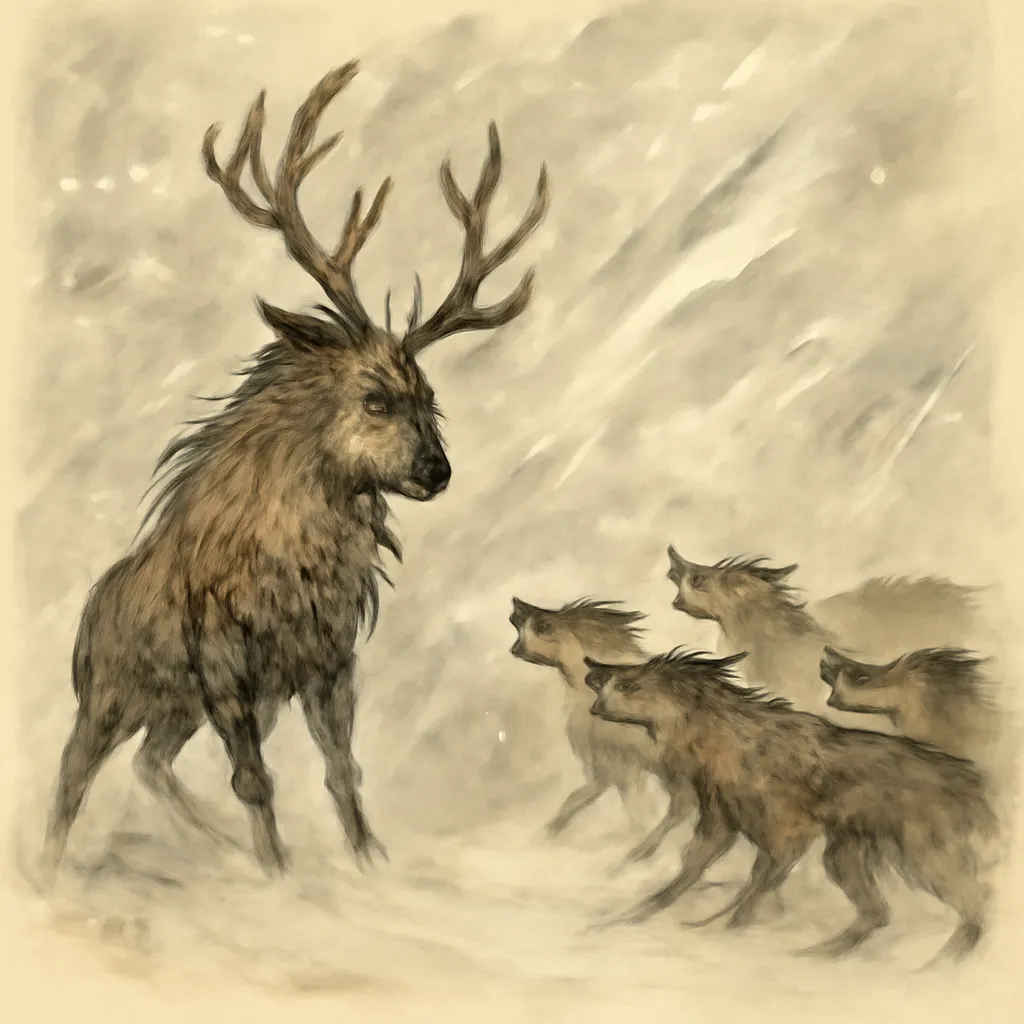
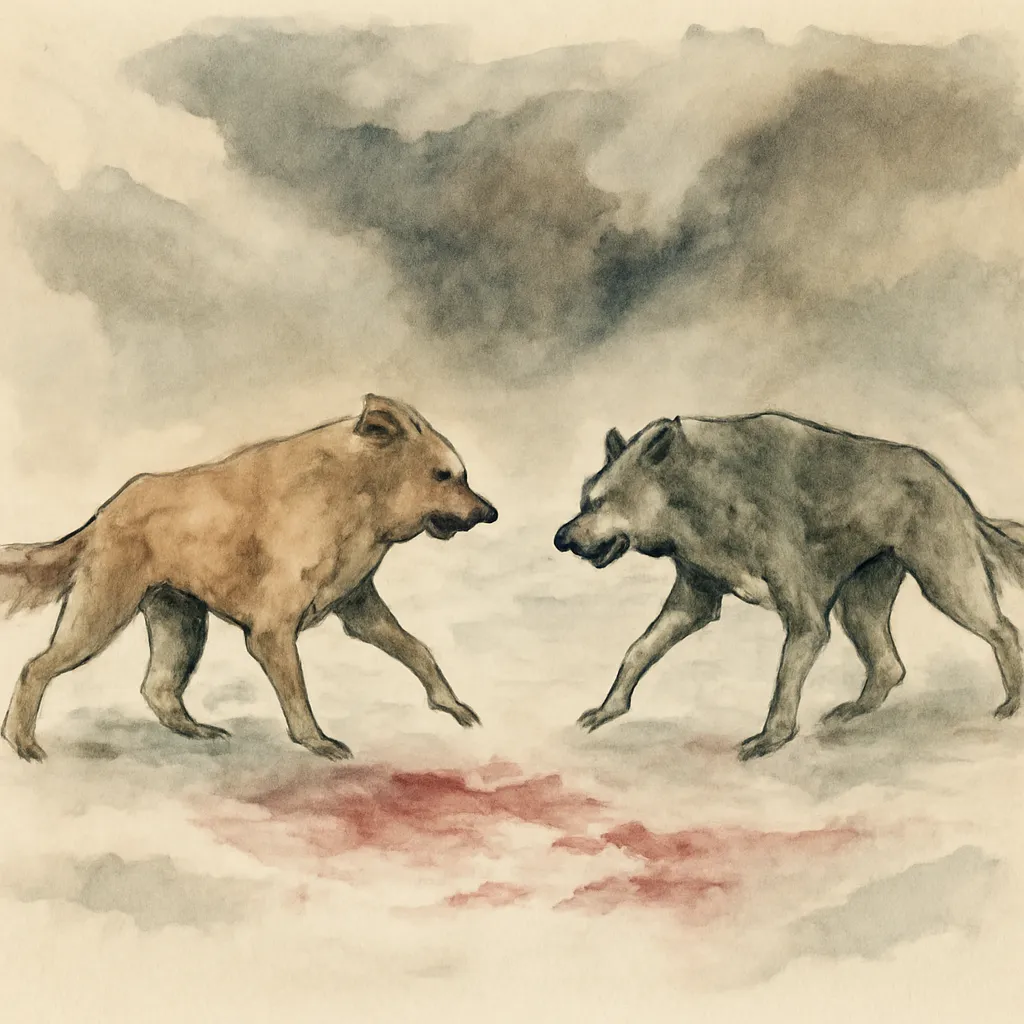
Buck's desire for leadership culminates in a fierce confrontation with Spitz, the current lead dog. This battle is not merely about position but symbolizes Buck's complete transformation into a creature of the wild. The fight is brutal and primal, showcasing the raw power and instinct that Buck has cultivated. The culmination of this rivalry is significant, as Buck emerges victorious, signaling his acceptance of his true nature. The struggle for leadership within the pack serves as a microcosm for the larger themes of survival and dominance in the wild. Buck's victory is a testament to his growth and adaptation, illustrating how the harsh realities of life in the wilderness can forge a creature into something formidable.
5.The Toll of Hardship
As Buck and the sled team continue their grueling journey, the physical and mental toll of their experiences becomes apparent. The relentless pace and harsh conditions lead to exhaustion, injury, and suffering for Buck and his companions. Their bodies bear the marks of their struggles, and Buck's physical transformation reflects the depletion of his strength and spirit. The narrative conveys the weight of their toil, emphasizing the relentless nature of their existence in the Yukon. This depiction of hardship serves as a powerful reminder of the sacrifices made in the pursuit of survival, highlighting the resilience required to endure such challenges. The dogs' experiences resonate deeply, emphasizing the cost of their journey and the emotional weight carried by each member of the team.
6.The Bond with John Thornton
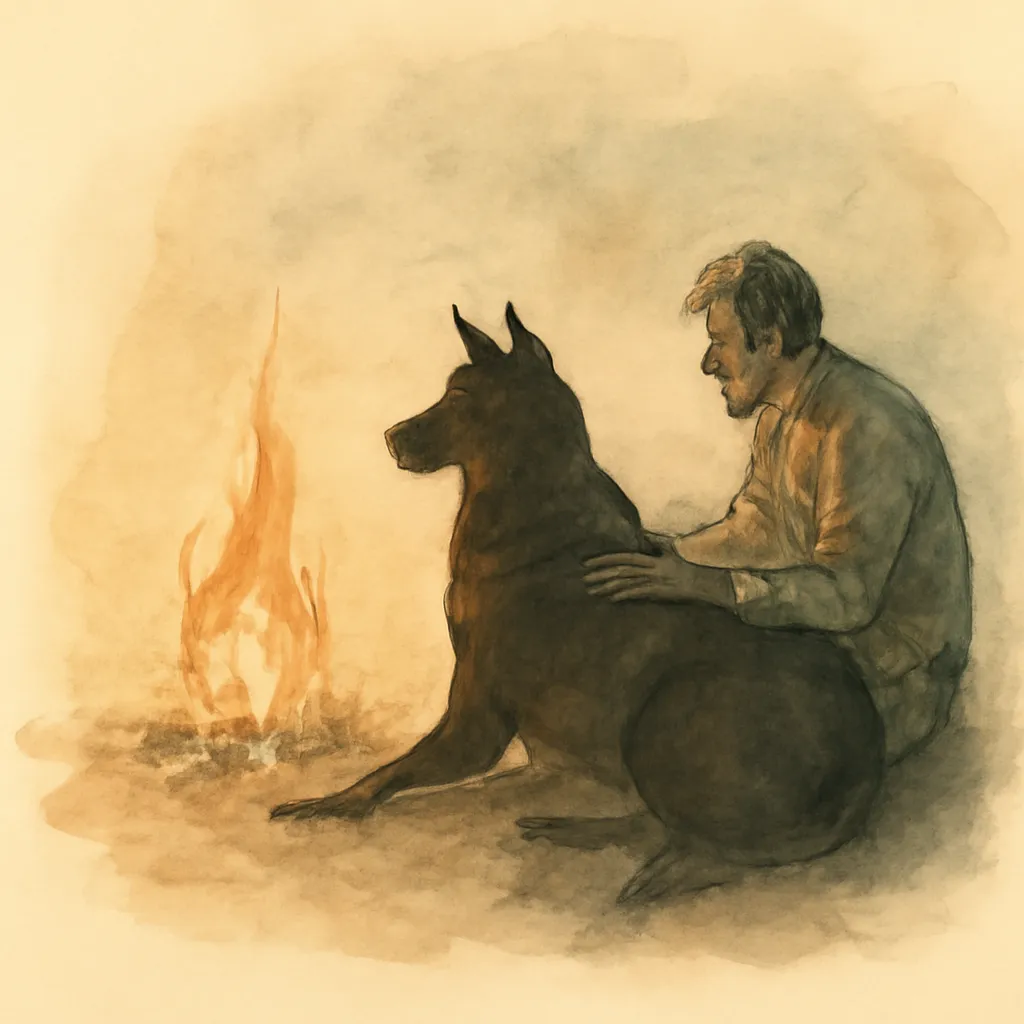
Buck's life takes a pivotal turn when he encounters John Thornton, a man whose kindness and respect for him foster a profound bond. Unlike previous masters, Thornton treats Buck with compassion and understanding, allowing him to flourish in a way he never experienced before. This relationship represents a turning point for Buck, as he learns to trust and love once again. Thornton's influence brings out Buck's true nature, allowing him to embrace his instincts while also forming a deep emotional connection. The love between them is genuine and transformative, showcasing the capacity for loyalty and affection in the midst of a brutal world. This bond is central to Buck's journey, emphasizing the importance of connection and companionship in both human and animal experiences.
7.The Call of the Wild
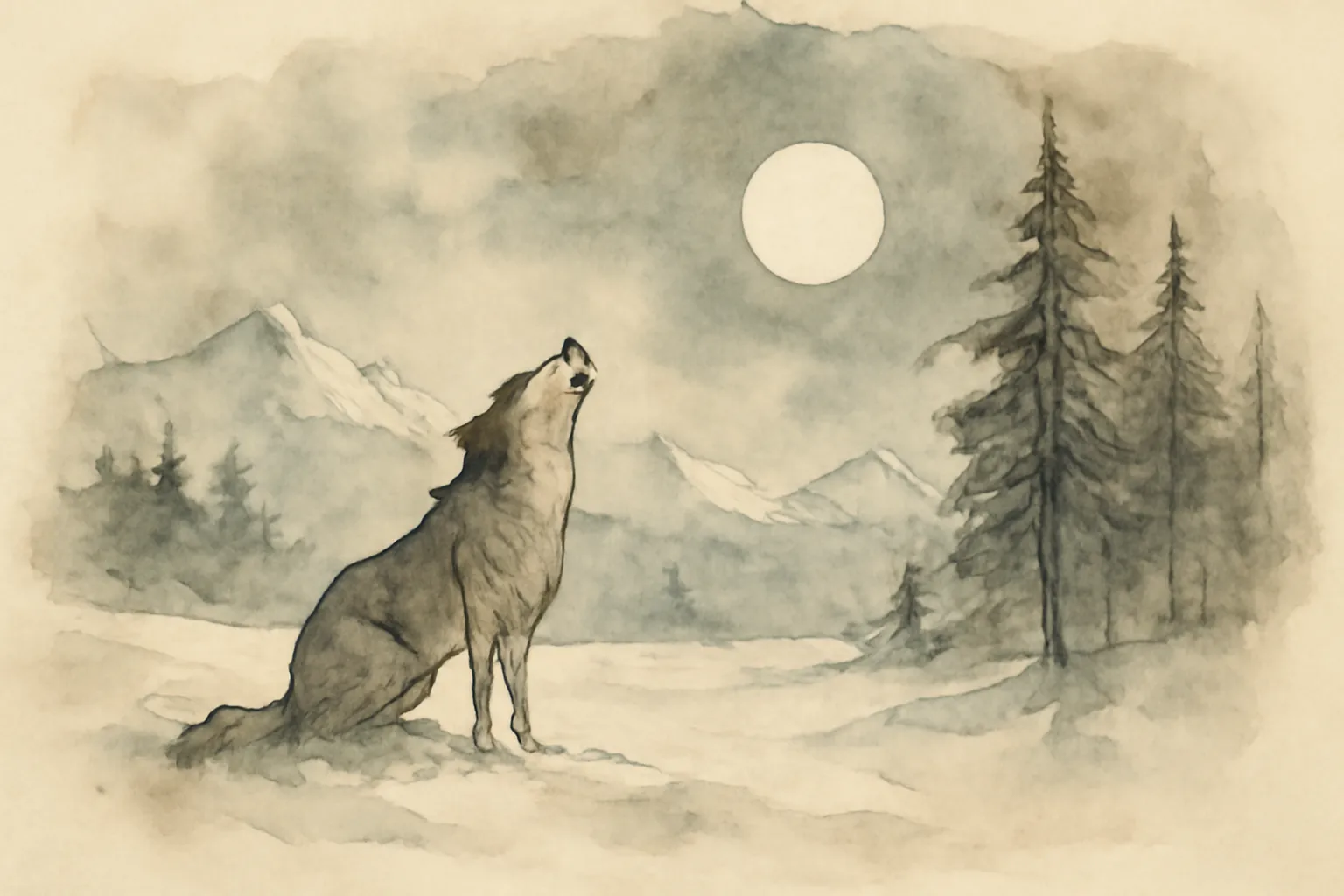
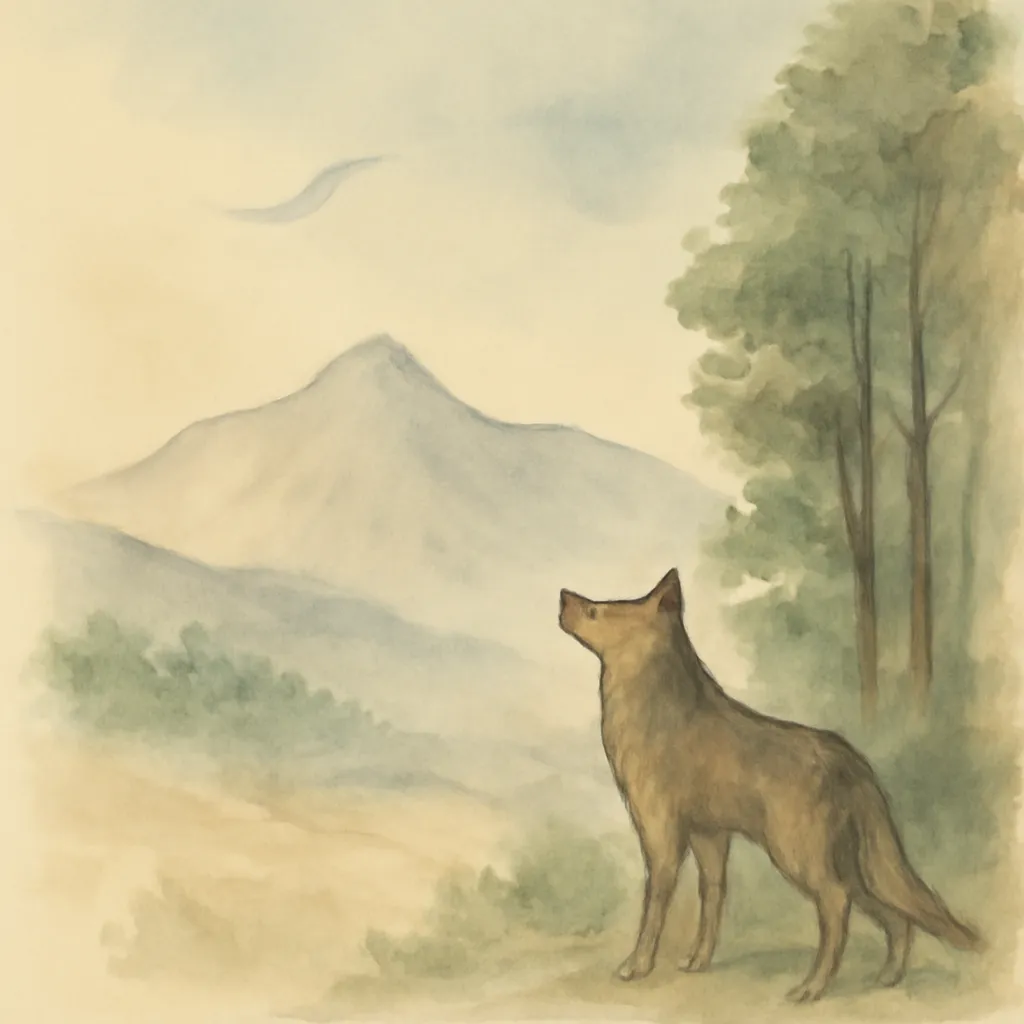
As Buck grows stronger and more confident, he begins to hear the 'call of the wild'—a deep, instinctual pull towards his ancestral roots. This call is not just a siren song of the wilderness; it represents Buck's awakening to his true self and the life that lies beyond the constraints of civilization. He starts to feel an undeniable connection to the wild, which calls him to embrace his natural instincts. The narrative beautifully captures Buck's internal conflict as he balances his love for Thornton with the primal urge to return to the wild. This theme of duality—between civilization and the wild—underscores the essence of Buck's journey, illustrating the struggle between loyalty to his human companion and the call of his true nature.
8.The Journey East
Buck's adventures lead him and Thornton on a quest to find a legendary lost mine, a journey filled with uncertainty and danger. This expedition symbolizes the search for purpose and meaning, as Buck and Thornton venture into the unknown. The trials they face during this journey further solidify their bond and showcase Buck's growing autonomy. Buck thrives in the wild, embracing the freedom and challenges it presents. The journey east is marked by moments of camaraderie, struggle, and discovery, allowing Buck to explore the depths of his capabilities. This quest for the lost mine is not just a physical journey but also a metaphorical one, reflecting Buck's ongoing evolution and the pursuit of a life that resonates with his true self.
9.The Final Call
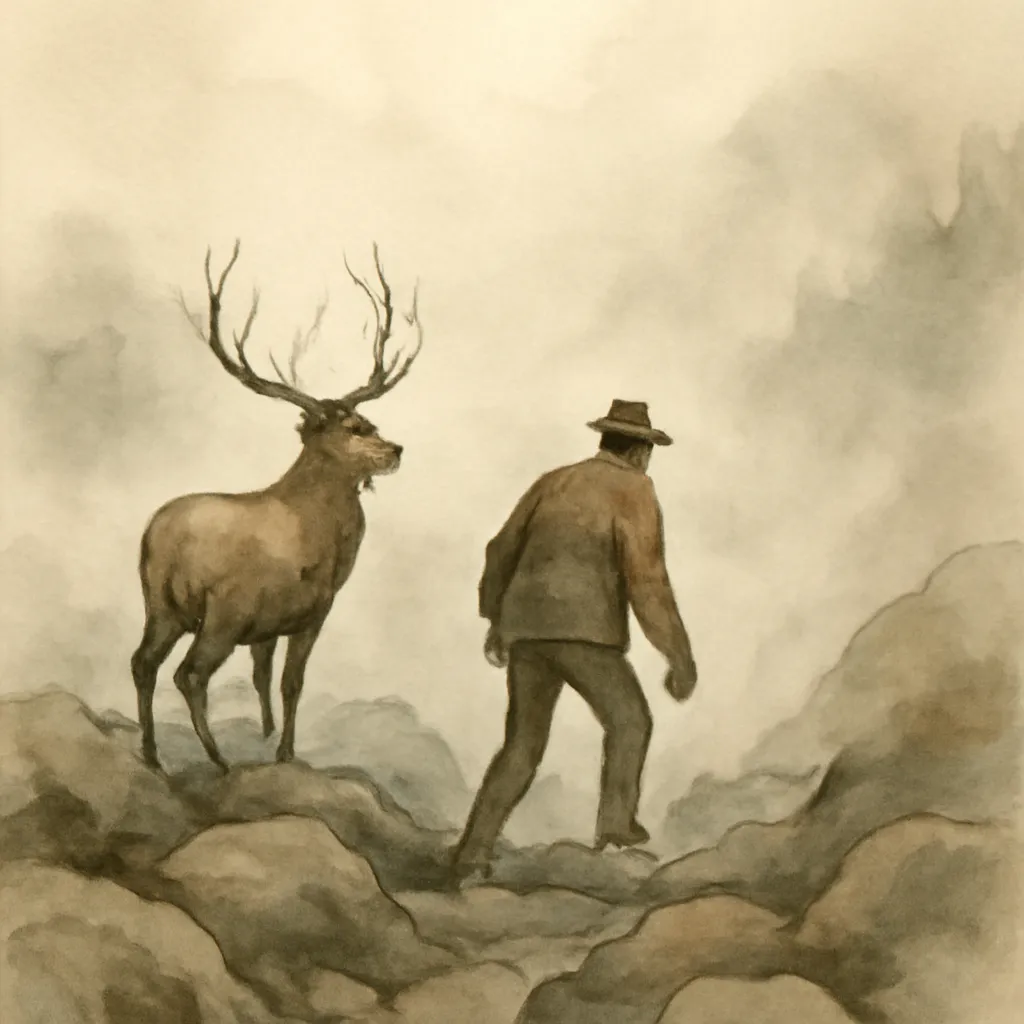
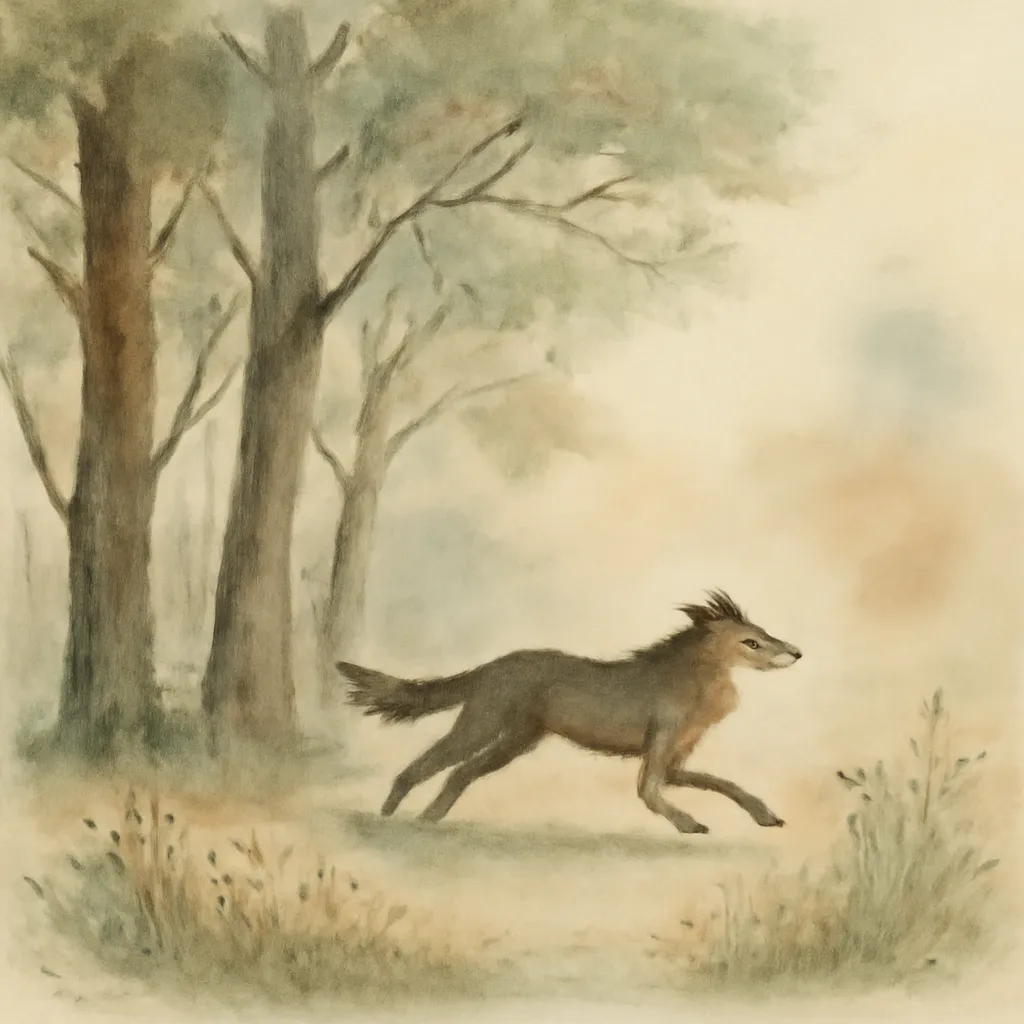
The culmination of Buck's journey leads him to fully embrace his wild instincts, responding to the call of the wilderness in a way that is both liberating and poignant. After Thornton's tragic death, Buck finally answers the call, leaving behind the comforts of civilization for a life of freedom in the wild. This final transformation is profound, representing not just a physical departure from human society but also an emotional and spiritual awakening. In the wild, Buck discovers a community of wolves, where he finds his place and begins a new chapter of existence. This conclusion emphasizes the cyclical nature of life and the importance of returning to one's roots. Buck's journey serves as a powerful reminder of the resilience of the spirit and the enduring connection to nature.