1.Imagination as Escape and Exploration
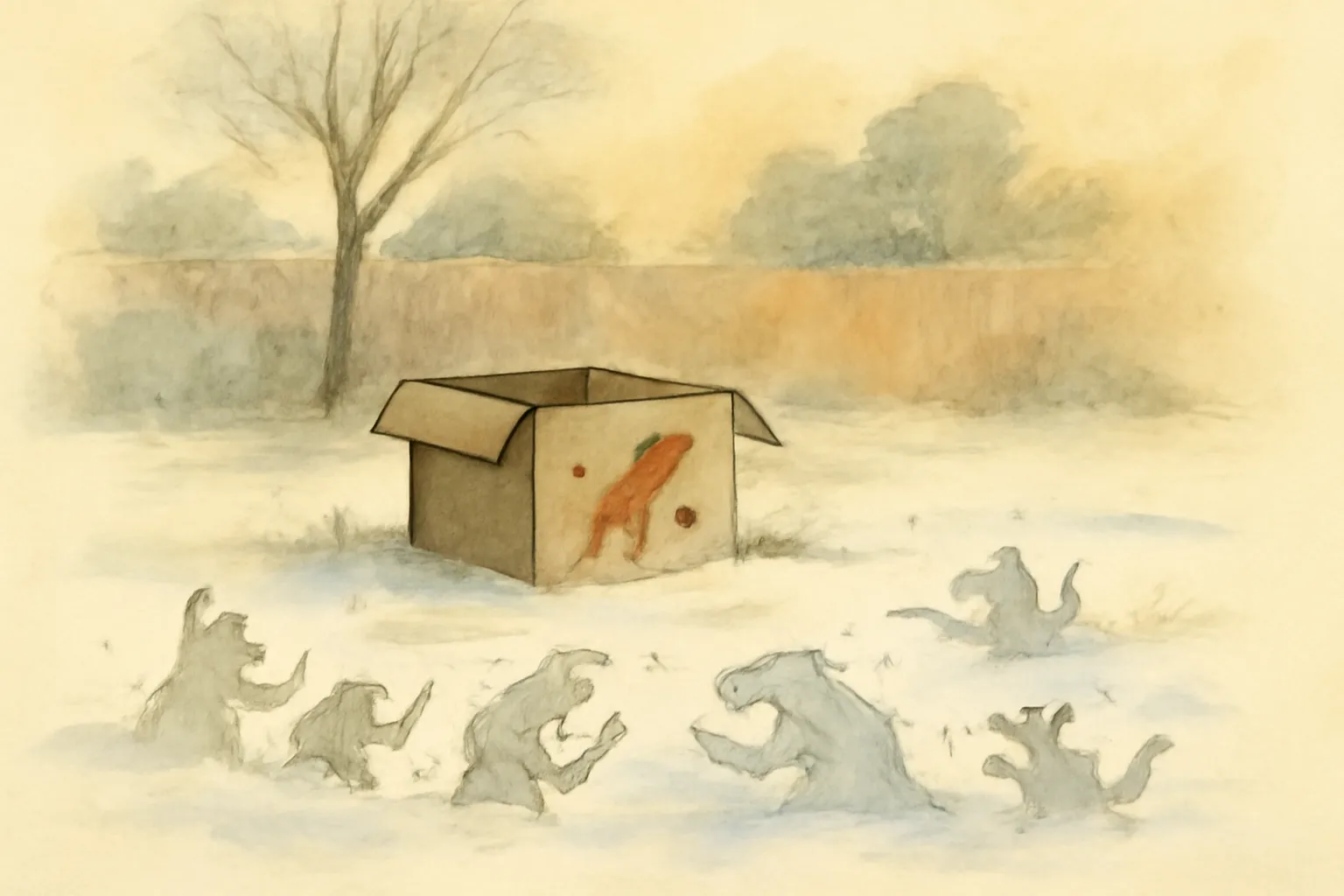
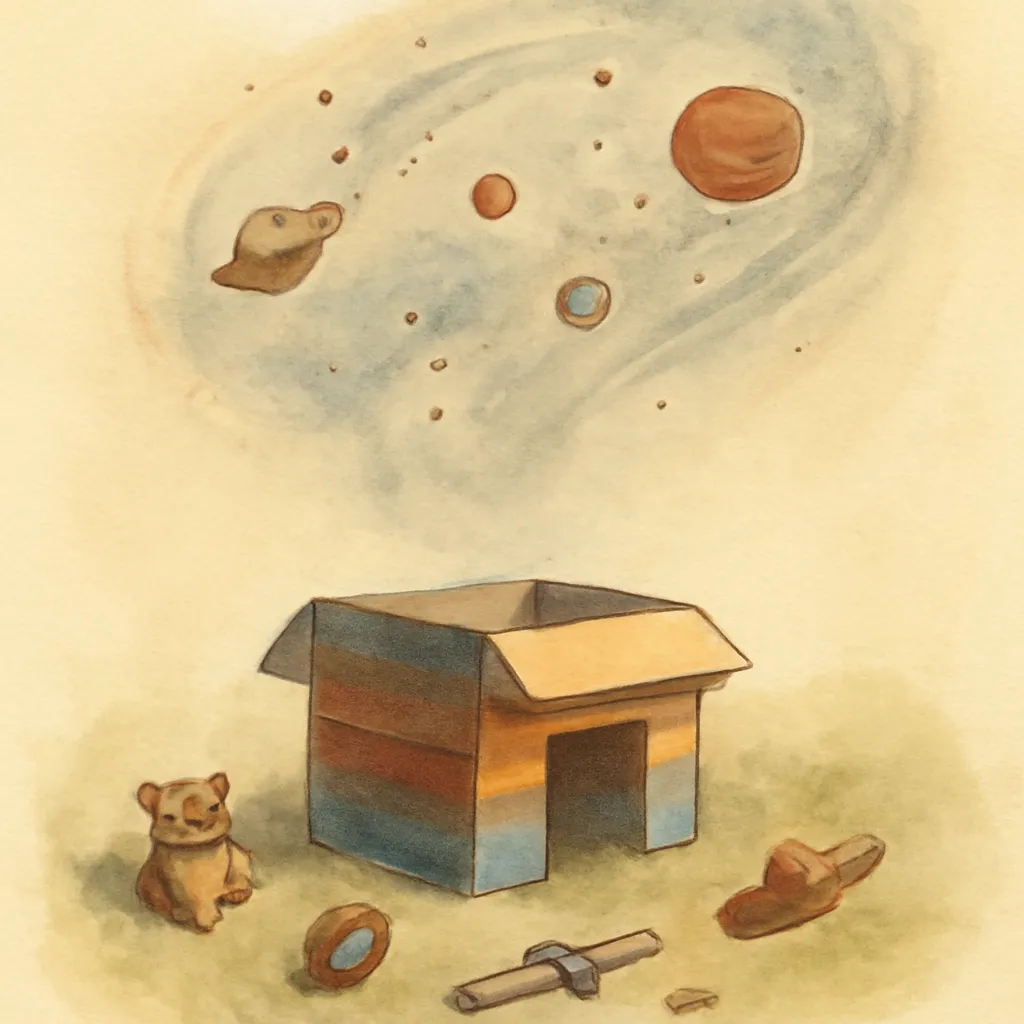
Calvin’s vivid imagination transforms the mundane into the extraordinary—cardboard boxes become time machines or spaceships, and backyard snow becomes a battlefield. This recurring motif highlights how imagination is both a refuge from reality and a tool for exploring life’s possibilities. The strip invites readers to reconnect with their own sense of wonder and creativity, suggesting that play and fantasy are essential, not frivolous.
2.Childhood Innocence Meets Existential Inquiry
Through Calvin’s questions and adventures, the strip tackles surprisingly deep philosophical themes: the meaning of life, the nature of reality, and the absurdity of existence. Calvin’s musings, often delivered with childlike sincerity or comic exaggeration, encourage readers to reflect on their own beliefs and assumptions. The humor comes from the juxtaposition of profound questions with the everyday concerns of a six-year-old.
3.The Dynamic of Friendship
The relationship between Calvin and Hobbes is the emotional core of the strip. Hobbes serves as both companion and foil—sometimes the voice of reason, sometimes an instigator. Their banter explores the complexities of friendship, loyalty, and conflict. The ambiguity of Hobbes’ reality—real tiger or stuffed toy—mirrors the blurred lines between fantasy and reality in childhood, and invites readers to consider the value of perspective.
4.Satire of Adult Society
Watterson uses Calvin’s perspective to lampoon adult behaviors and societal norms. Authority figures—parents, teachers, babysitters—are seen through Calvin’s skeptical eyes, exposing the arbitrary or hypocritical aspects of grown-up life. The strip pokes fun at work, school, consumerism, and even the comic strip industry itself, often with biting wit.
5.Artistry and Visual Storytelling
Watterson’s expressive cartooning is integral to the strip’s appeal. The artwork ranges from simple line drawings to lush, detailed Sunday pages, often using visual exaggeration to heighten humor or emotion. The Essential Calvin and Hobbes showcases Watterson’s innovative layouts and his refusal to be constrained by standard comic strip formats, emphasizing the artistry behind the humor.
6.Family and the Everyday
Calvin’s interactions with his parents and the routines of daily life ground the strip in relatable reality. The humor often arises from the clash between Calvin’s wild imagination and his parents’ attempts at order and discipline. These moments provide both comic relief and poignant insight into family dynamics, highlighting the challenges and joys of raising (or being) a spirited child.