1.Challenging the Autonomy of Art
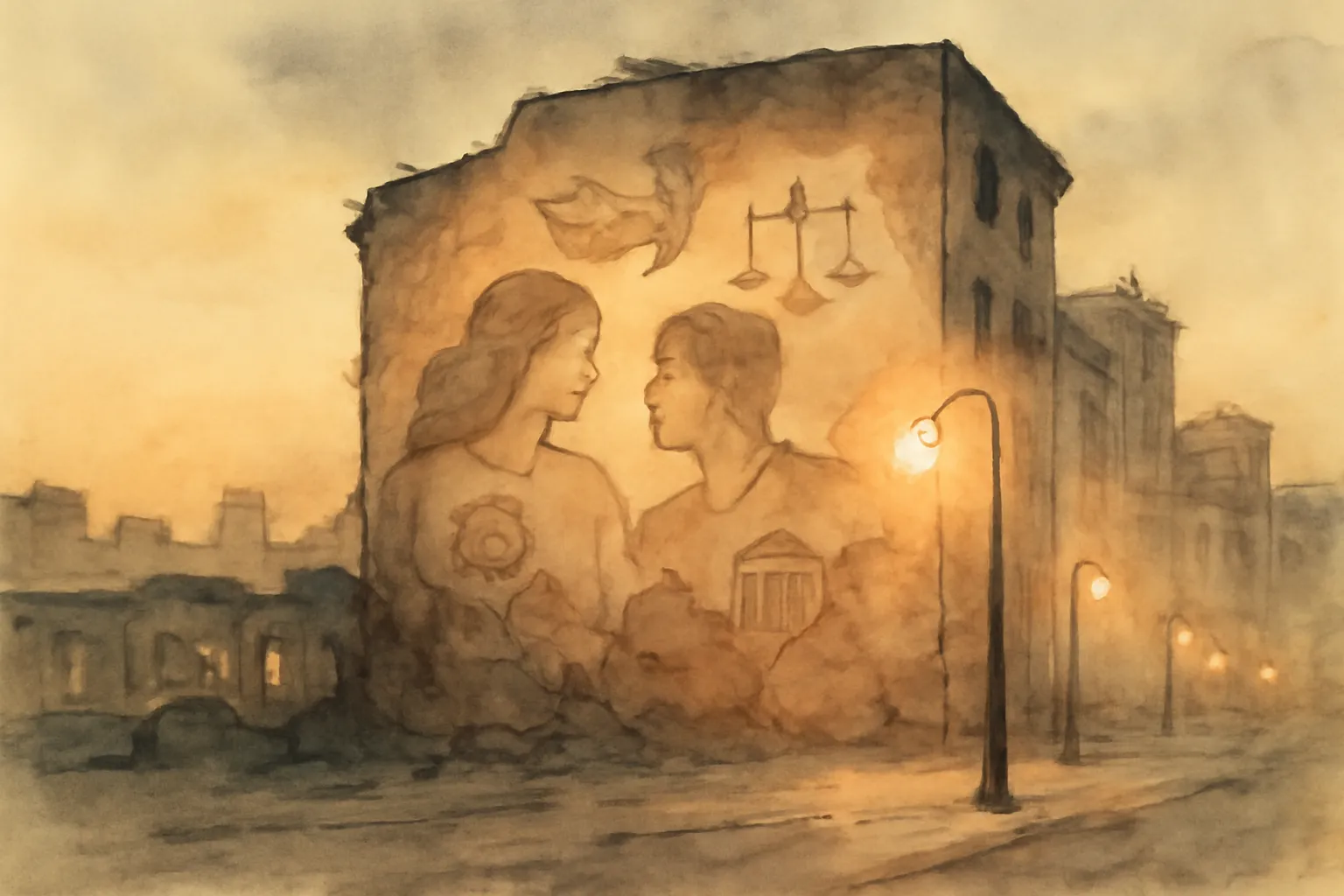
Wolff interrogates the long-standing belief that art exists in a realm separate from social structures and influences. She argues that the idea of 'art for art’s sake' is itself a social construct, shaped by historical and cultural forces. By questioning the supposed autonomy of art, Wolff opens the door for a more integrated analysis that considers how art both reflects and is shaped by its social environment.
2.Critique of Traditional Aesthetics
The book critiques the traditional discipline of aesthetics, which often treats art as a universal and timeless phenomenon. Wolff contends that aesthetic judgments are historically contingent and culturally specific. She urges readers to recognize that what counts as 'art' or 'good taste' is determined by social processes, not by inherent qualities of the artwork itself.
3.Sociology’s Blind Spots
Wolff points out that much early sociology either ignored the arts or treated them superficially. She highlights how sociological approaches often reduce art to mere reflection of social conditions, missing its unique qualities and agency. Wolff calls for a more nuanced sociology that takes the specificity of artistic practice seriously, rather than subsuming it under general social trends.
4.Towards an Integrated Approach
Rather than advocating for a simple application of sociological methods to art, Wolff proposes a more dialectical approach. She suggests that understanding art requires both attention to its social context and to its formal, aesthetic properties. The challenge is to avoid reductionism while still acknowledging that art is embedded in society.
5.The Role of the Artist
Wolff examines the position of the artist within society, challenging romantic notions of the artist as a solitary genius. She argues that artists are shaped by social structures, institutions, and networks, and that their creative choices are influenced by these factors. This perspective demystifies artistic production and situates it within broader patterns of social organization.
6.Implications for Cultural Policy and Criticism
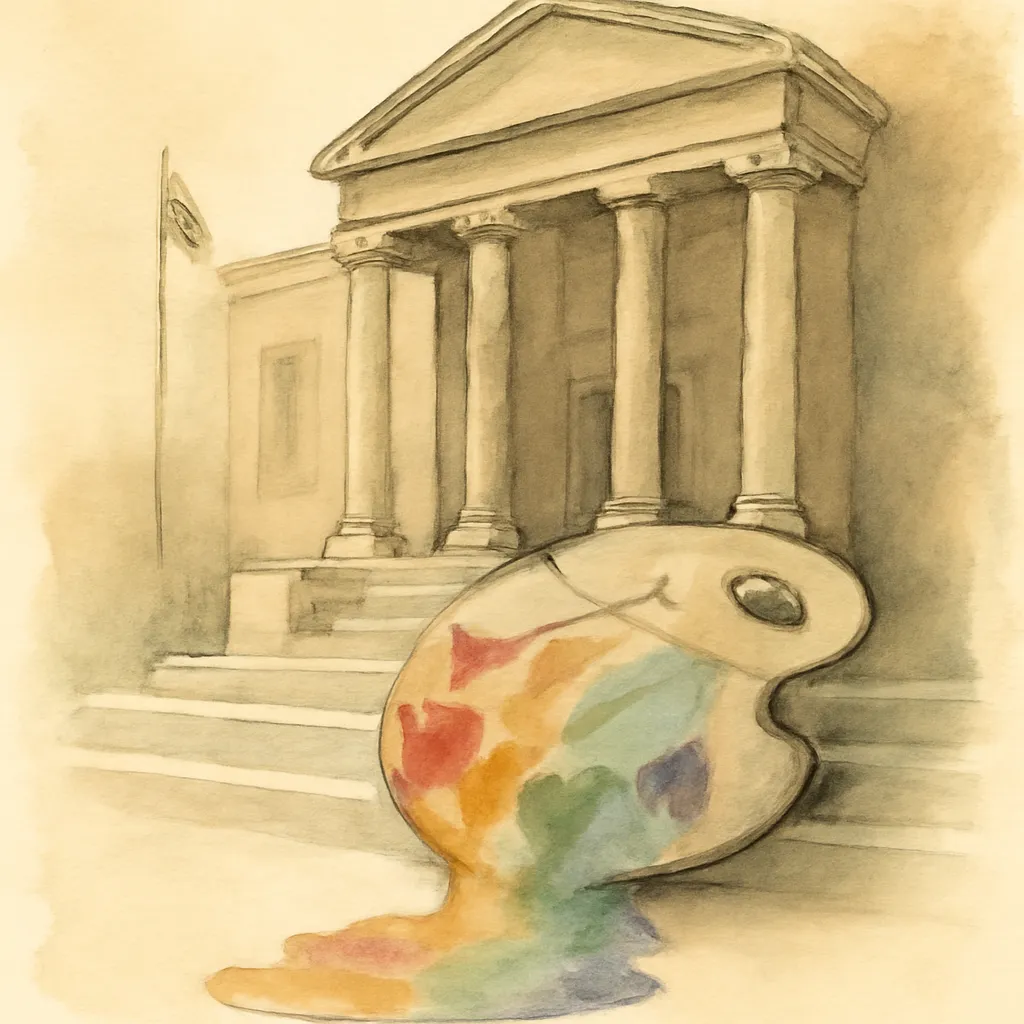
By situating art within its social context, Wolff’s arguments have important implications for how we think about cultural policy, arts funding, and criticism. She encourages policymakers and critics to recognize the social dimensions of artistic value, and to question who gets to define what counts as art.