1.The Fall from Privilege
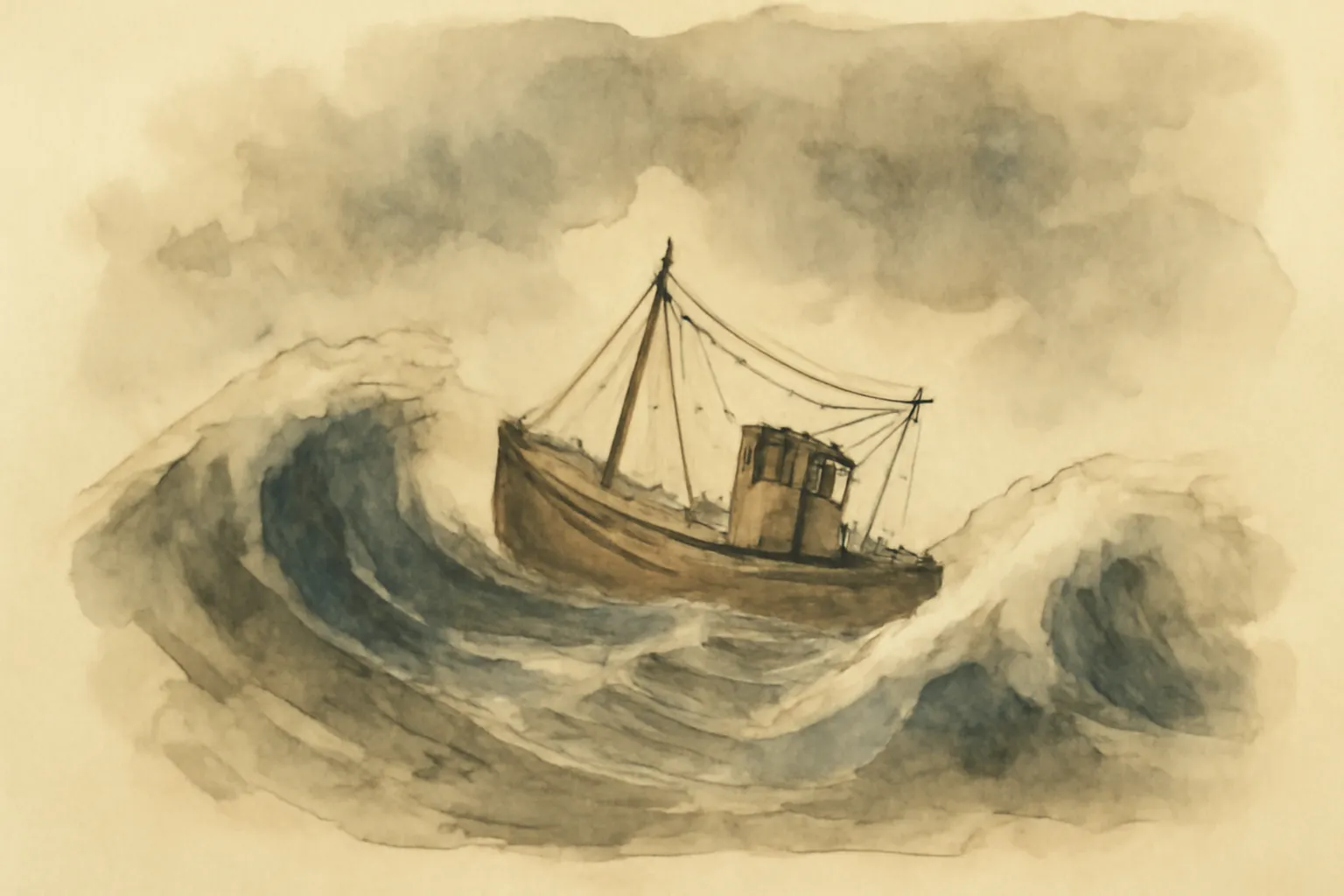
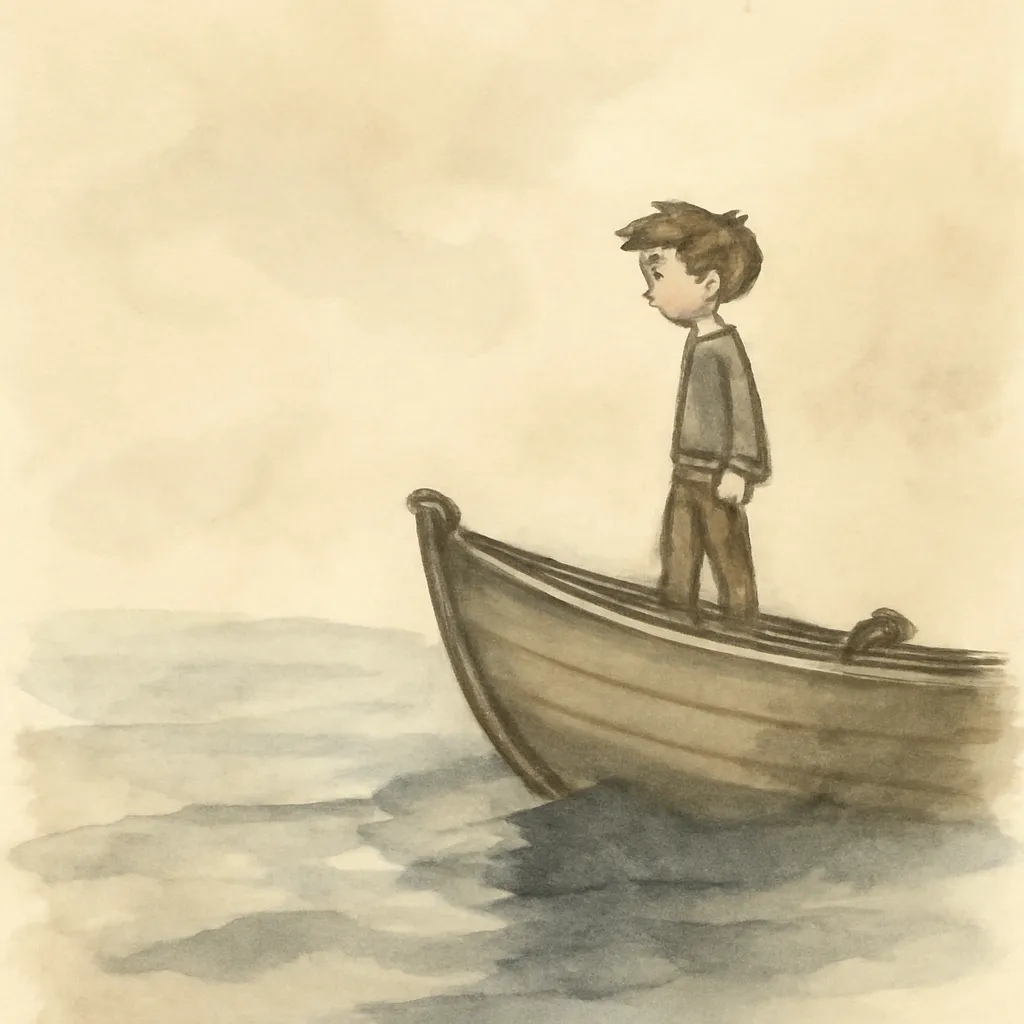
Harvey Cheyne's character is introduced as a spoiled, arrogant boy who embodies the excesses of wealth. His life revolves around luxury and privilege, with little understanding of the struggles faced by those less fortunate. This is starkly contrasted when he falls overboard and is rescued by the fishing schooner, We're Here. His initial reaction to the fishermen and their rough lifestyle showcases his snobbishness and ignorance. Kipling uses Harvey's character to illustrate the pitfalls of wealth and entitlement, setting the stage for his transformation. The way Harvey interacts with the crew reflects his upbringing, where he has been shielded from the realities of hard work and responsibility, making his eventual growth all the more impactful.
2.Lessons from the Sea
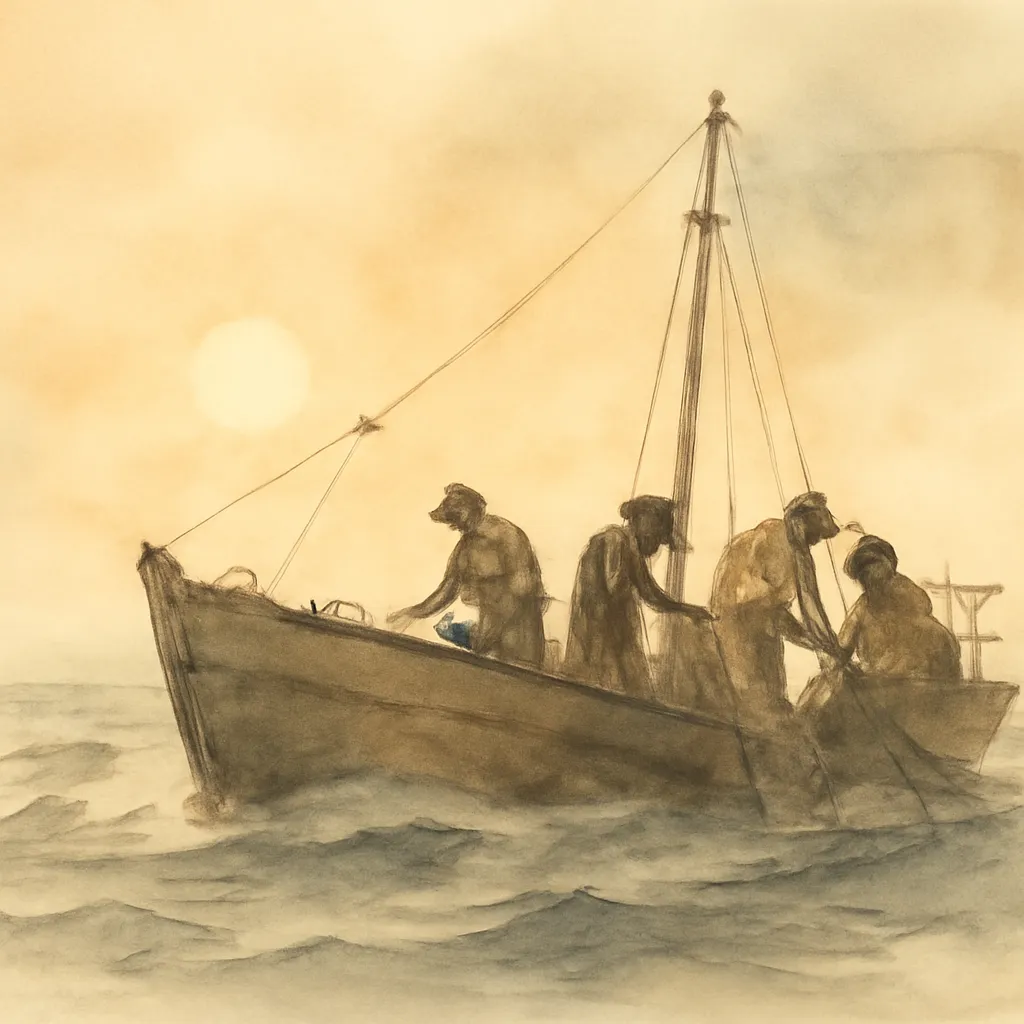
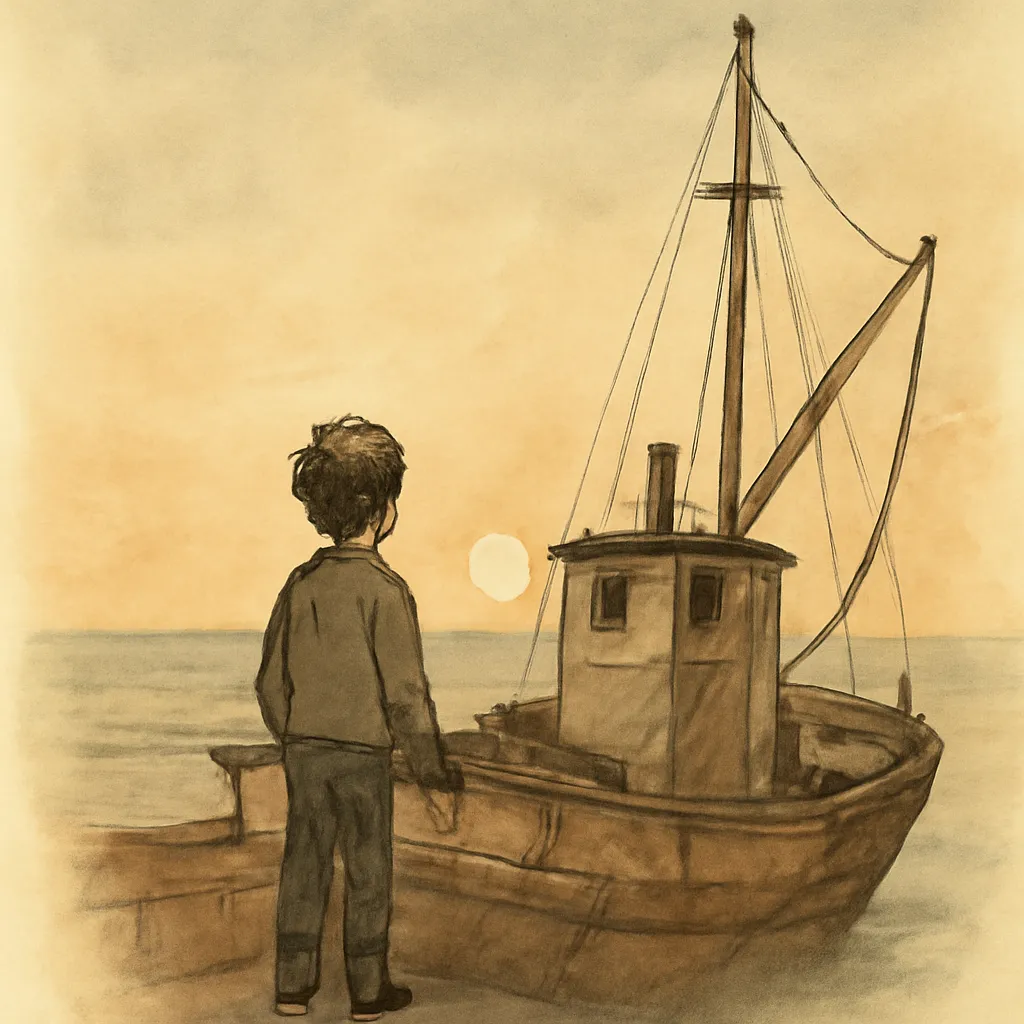
As Harvey spends time aboard the We're Here, he begins to learn the value of hard work and camaraderie. The fishermen, led by Disko Troop, embody a rugged dignity and a sense of purpose that Harvey has never encountered. Through their daily routines, he witnesses the dedication required to catch fish and keep the boat running. The harsh conditions of the sea act as a crucible for Harvey, forcing him to confront his weaknesses and adapt to a world where effort and skill are paramount. Kipling vividly describes the challenges of fishing, from battling the elements to navigating the complexities of teamwork. These experiences serve as crucial lessons in humility for Harvey, teaching him that respect must be earned rather than inherited.
3.Friendship and Brotherhood
The relationships Harvey forms with the crew are pivotal in his transformation. Initially, he sees them as mere laborers, but as he learns their stories and shares experiences, he begins to regard them as brothers. Dan, in particular, becomes a close friend and confidant, guiding Harvey through the trials of life at sea. Their banter and camaraderie encapsulate the essence of youthful friendship, filled with both rivalry and loyalty. Kipling illustrates how these bonds are forged through shared hardship and mutual respect. Harvey’s evolving relationships demonstrate that true connection transcends social class and wealth, emphasizing the human capacity for empathy and understanding.
4.Facing Adversity
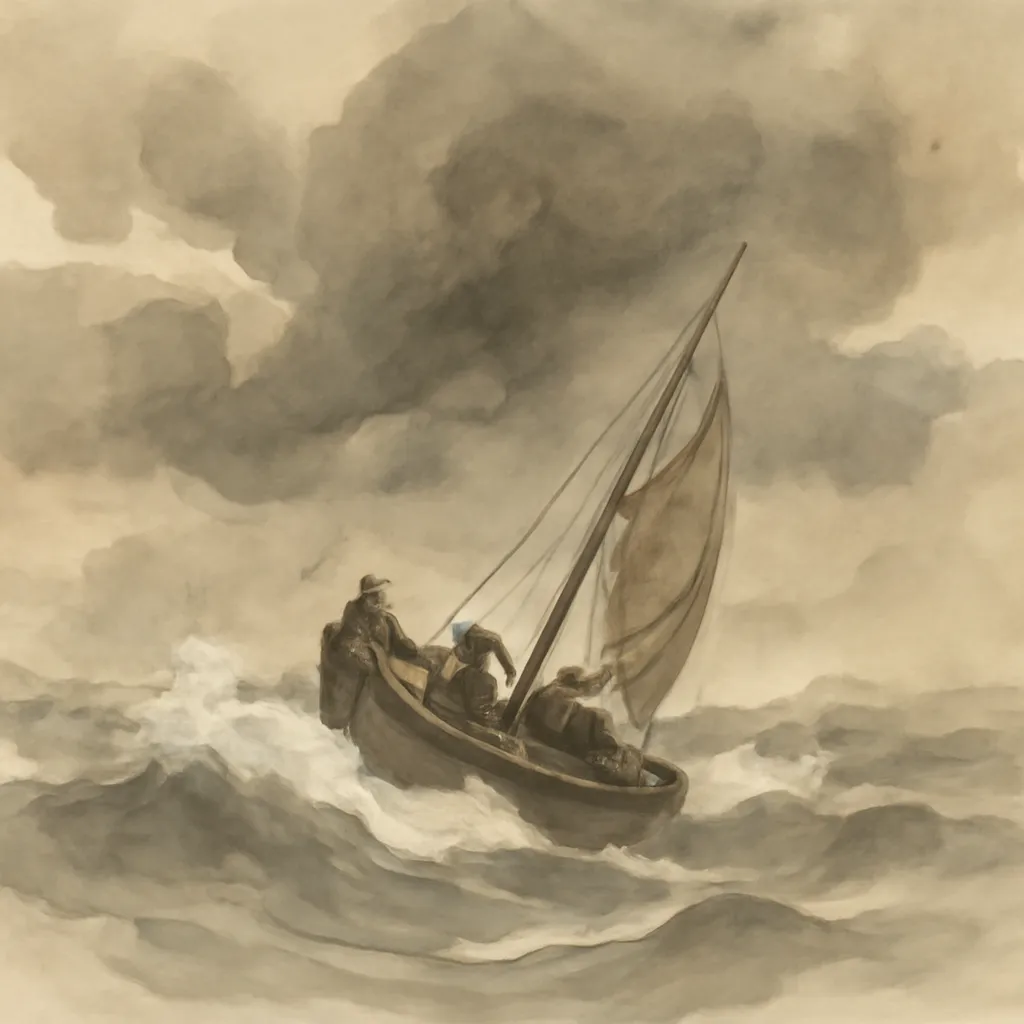
The sea is not just a backdrop; it is a character in its own right, representing the unpredictable nature of life. Throughout the narrative, Harvey and the crew face numerous adversities, from treacherous weather conditions to the constant threat of danger inherent in fishing. These challenges test their resolve and character, pushing Harvey to his limits. Kipling portrays these moments with vivid imagery, immersing readers in the raw power of the ocean and the resilience required to navigate it. Harvey learns that courage is not the absence of fear but the ability to confront it head-on, a lesson that resonates deeply as he grows into a more mature individual. This theme of resilience is central to the narrative, illustrating that true strength is often revealed in the face of adversity.
5.The Transformation of Harvey
Harvey's character arc is one of the most compelling aspects of 'Captains Courageous'. Initially portrayed as self-centered and entitled, his experiences aboard the We're Here catalyze a profound transformation. As he learns the ropes of fishing and the importance of teamwork, he begins to shed his previous arrogance. Kipling skillfully depicts this change through Harvey’s actions and thoughts, showcasing his evolving understanding of responsibility and sacrifice. By the end of the story, Harvey emerges as a young man who appreciates the value of hard work and the importance of community. This transformation is not just about becoming a better fisherman; it represents a deeper moral awakening that leaves a lasting impression on both Harvey and the reader.
6.The Role of Mentorship
Central to Harvey's growth is the mentorship he receives from Disko Troop and the other fishermen. Disko, a seasoned captain, embodies the wisdom of experience, teaching Harvey not just the skills of fishing but also the values of integrity and respect. Kipling emphasizes the significance of mentorship in shaping character, as Disko’s guidance helps Harvey navigate the complexities of life at sea. The interactions between Harvey and Disko reveal a father-son dynamic that is both nurturing and challenging, pushing Harvey to rise to the occasion. This mentorship is crucial in helping Harvey develop a sense of identity and purpose, reinforcing the idea that guidance from others can profoundly influence personal growth.
7.Nature as a Teacher
The natural world plays an integral role in 'Captains Courageous', serving as both a harsh teacher and a source of beauty. Kipling's descriptions of the sea, the weather, and the creatures they encounter are rich and evocative, immersing readers in the maritime environment. The unpredictability of the ocean mirrors the uncertainties of life, reminding Harvey and the crew that they are at the mercy of nature. This relationship with the environment fosters a sense of respect and humility, as the fishermen recognize their place within the larger ecosystem. Kipling uses this connection to illustrate the importance of living in harmony with nature, highlighting how it can shape character and instill valuable life lessons.
8.The Value of Hard Work
Kipling underscores the dignity of labor throughout 'Captains Courageous', showcasing how hard work is integral to personal fulfillment. The fishermen's relentless dedication to their craft serves as a model for Harvey, who learns that effort and perseverance yield rewards beyond material wealth. As he grapples with the demands of fishing, Harvey discovers a sense of pride in his accomplishments, contrasting sharply with his previous life of leisure. Kipling paints a vivid picture of the labor-intensive nature of fishing, from hauling nets to mending gear, emphasizing that satisfaction stems from contributing to a greater purpose. This theme resonates deeply, reminding readers that true success is often rooted in hard work and determination.
9.Redefining Courage
Through Harvey's journey, Kipling redefines what it means to be courageous. Initially, Harvey equates bravery with physical prowess or the ability to assert dominance. However, as he navigates the challenges of life at sea, he learns that true courage lies in vulnerability, humility, and the willingness to learn from others. The fishermen exemplify this redefined courage, facing the dangers of the ocean with a blend of fear and resolve. Kipling illustrates that courage is not an absence of fear but rather the determination to confront it, whether in the face of a storm or the complexities of interpersonal relationships. This nuanced understanding of courage becomes a cornerstone of Harvey's character development.
10.The Aftermath of Transformation
The conclusion of 'Captains Courageous' sees a transformed Harvey returning to his life of privilege, yet fundamentally changed by his experiences. The lessons he learned aboard the We're Here stay with him, influencing his perspective on wealth, responsibility, and relationships. Kipling leaves readers with a sense of hope, as Harvey's newfound values shape his interactions with his family and peers. The narrative suggests that true wealth is not measured in material possessions but in the richness of experiences and the bonds formed with others. This lasting impact highlights the story's central message: that profound personal growth often arises from unexpected challenges, and that the journey of self-discovery is a lifelong endeavor.