1.The Mind Vampires: Predators Among Us
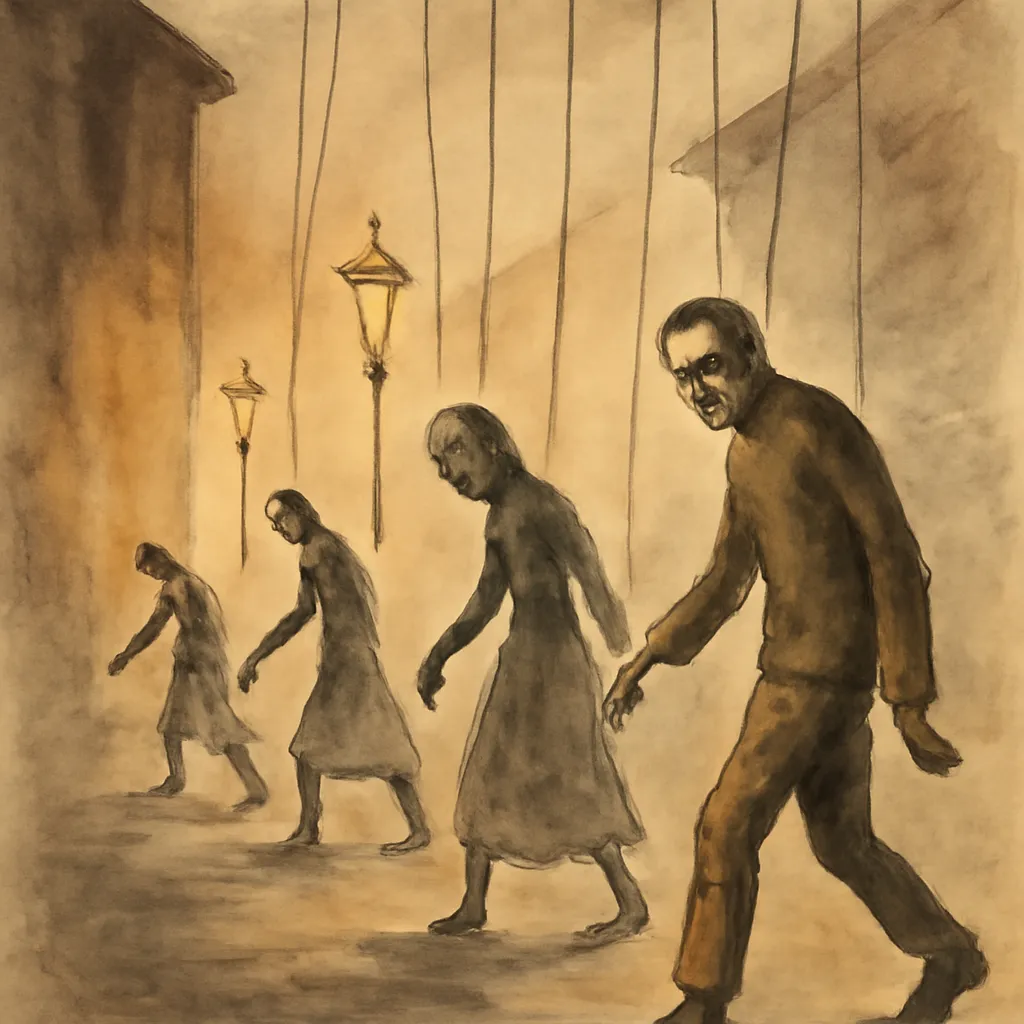
At the heart of Carrion Comfort is the concept of the 'Mind Vampire'—humans with the psychic ability to control others, compelling them to act against their will. Simmons uses this supernatural premise as a metaphor for real-world power dynamics, exploring how individuals and institutions manipulate, dominate, and destroy. The horror comes not just from the violence these beings inflict, but from the unsettling suggestion that such predatory forces might exist in our own world, unseen but devastating.
2.Evil as Entertainment
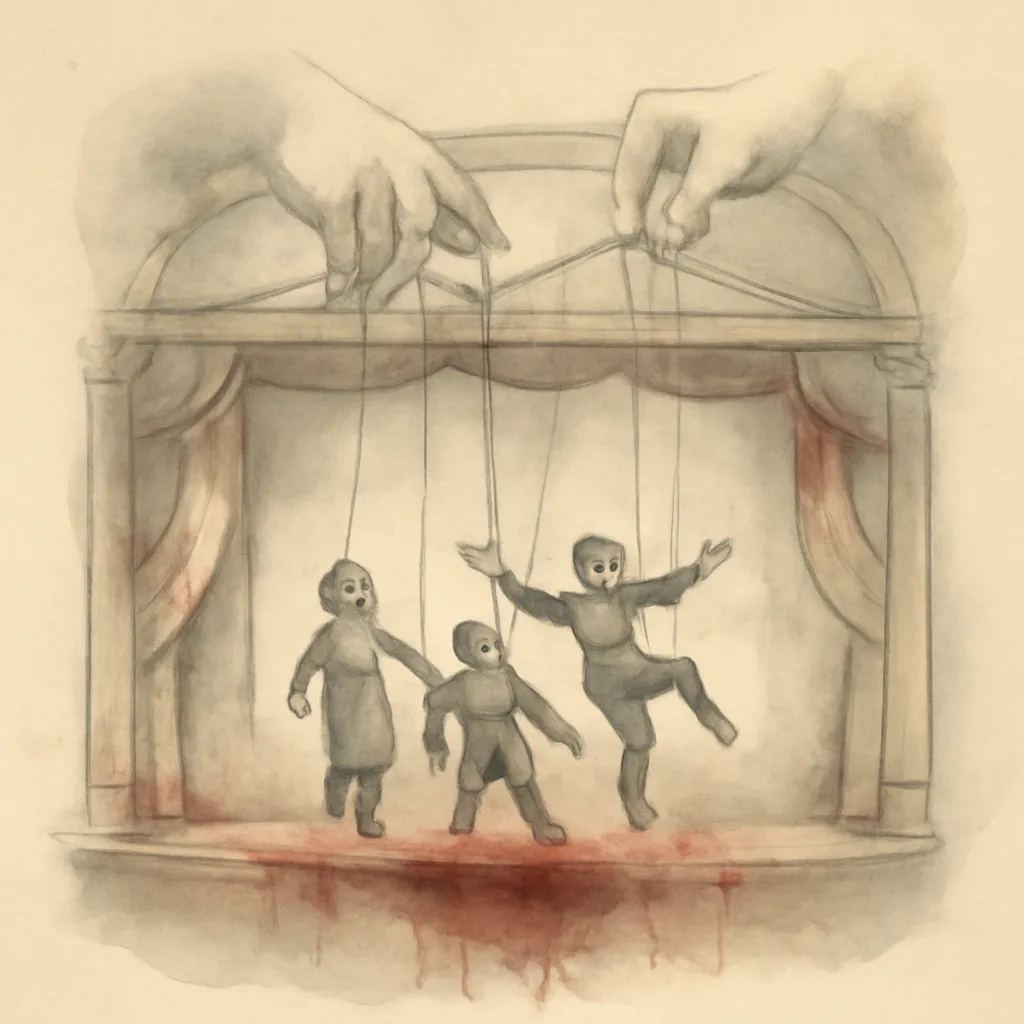
The Mind Vampires do not simply control for survival—they orchestrate atrocities for their own amusement. Simmons probes the chilling banality of evil: how those with power can become numb to suffering, treating human lives as mere pieces in a game. The novel’s antagonists embody the ultimate moral detachment, raising questions about complicity, empathy, and the capacity for cruelty in all of us.
3.The Weight of History
Carrion Comfort is deeply rooted in historical trauma, particularly the Holocaust. Simmons draws explicit connections between supernatural manipulation and real-world atrocities, suggesting that evil is both personal and systemic. The novel’s scope—spanning decades and continents—underscores how violence and exploitation echo through history, shaping societies and individuals alike.
4.Free Will Versus Control
A central tension in the novel is the struggle for autonomy. Victims of the Mind Vampires are robbed of agency, forced to commit acts they can neither control nor remember. Simmons uses this to interrogate the nature of free will: Is anyone truly free, or are we all subject to unseen influences—psychic or otherwise? The protagonists’ fight to reclaim their will becomes a metaphor for resistance against oppression in all its forms.
5.Survival, Resistance, and Redemption
Despite its grim premise, Carrion Comfort is also a story of resilience. The protagonists—survivors of trauma, both personal and historical—band together to confront seemingly insurmountable evil. Their journey is one of moral reckoning, as they struggle to maintain their humanity in the face of overwhelming darkness. Simmons suggests that while evil may be powerful, the capacity for resistance and redemption endures.
6.The Nature of Horror
Simmons crafts horror not just from gore or supernatural spectacle, but from psychological and existential dread. The novel’s terror lies in the erosion of trust, autonomy, and meaning—what happens when even your own mind is not your own? Carrion Comfort pushes the boundaries of the genre, offering a meditation on fear, complicity, and the monstrous potential within humanity itself.