1.Caste vs. Race: A Deeper Hierarchy
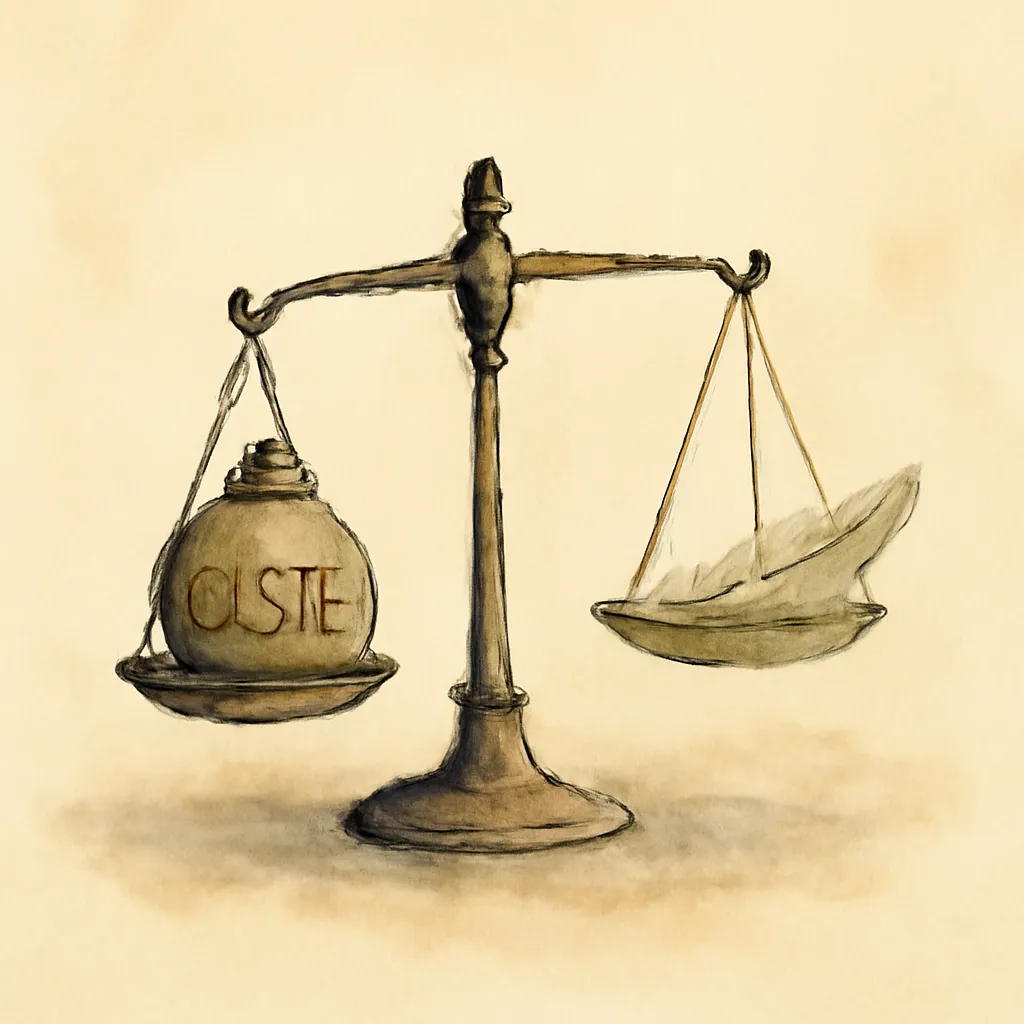
Wilkerson argues that while race is the visible marker of difference in America, it is actually a caste system—an underlying, rigid social order—that determines who holds power and who is marginalized. She distinguishes caste from race and class, showing how caste is about enforced boundaries and inherited status, not just prejudice or economic standing. This framework helps explain why progress on racial equality has been so slow and why certain social patterns persist across generations.
2.The Eight Pillars of Caste
Drawing from the histories of India, Nazi Germany, and the United States, Wilkerson identifies eight foundational pillars that uphold caste systems: divine will, heredity, endogamy, purity, occupational hierarchy, dehumanization, terror as enforcement, and inherent superiority/inferiority. She demonstrates how these pillars manifest in American life, often unconsciously, shaping laws, customs, and daily interactions. This comparative approach illuminates the universality and resilience of caste-based thinking.
3.The Invisibility and Persistence of Caste
One of Wilkerson’s core insights is that caste operates largely beneath the surface, influencing behaviors and expectations in ways that are often unspoken or unacknowledged. Through personal stories and historical examples, she shows how caste dictates everything from who gets medical care to who is presumed competent. The system persists not just through overt discrimination, but through habits, language, and institutional inertia.
4.The Human Toll of Caste
Wilkerson brings the abstract concept of caste to life through moving stories of individuals whose lives have been shaped—and often constrained—by their assigned place in the hierarchy. She details the psychological and physical harms of caste, from chronic stress to limited life opportunities, and connects these to broader social problems like violence, health disparities, and political polarization.
5.Lessons from Other Caste Systems
By comparing America’s caste system with those of India and Nazi Germany, Wilkerson reveals both the similarities and the unique features of each. She shows how caste logic travels across cultures and epochs, adapting to local contexts but always serving to maintain power for some and justify the subjugation of others. These comparisons also offer hope, as she points to ways in which caste hierarchies have been challenged or dismantled elsewhere.
6.The Path to Healing and Change
Wilkerson argues that true progress requires Americans to recognize and confront the reality of caste, rather than relying on colorblindness or superficial reforms. She calls for a collective reckoning with history, empathy for those harmed by the system, and a willingness to remake institutions and relationships. The book ends with a call to action, urging readers to see themselves as agents of change in the ongoing struggle for equality and dignity.