1.The Power and Peril of Magic
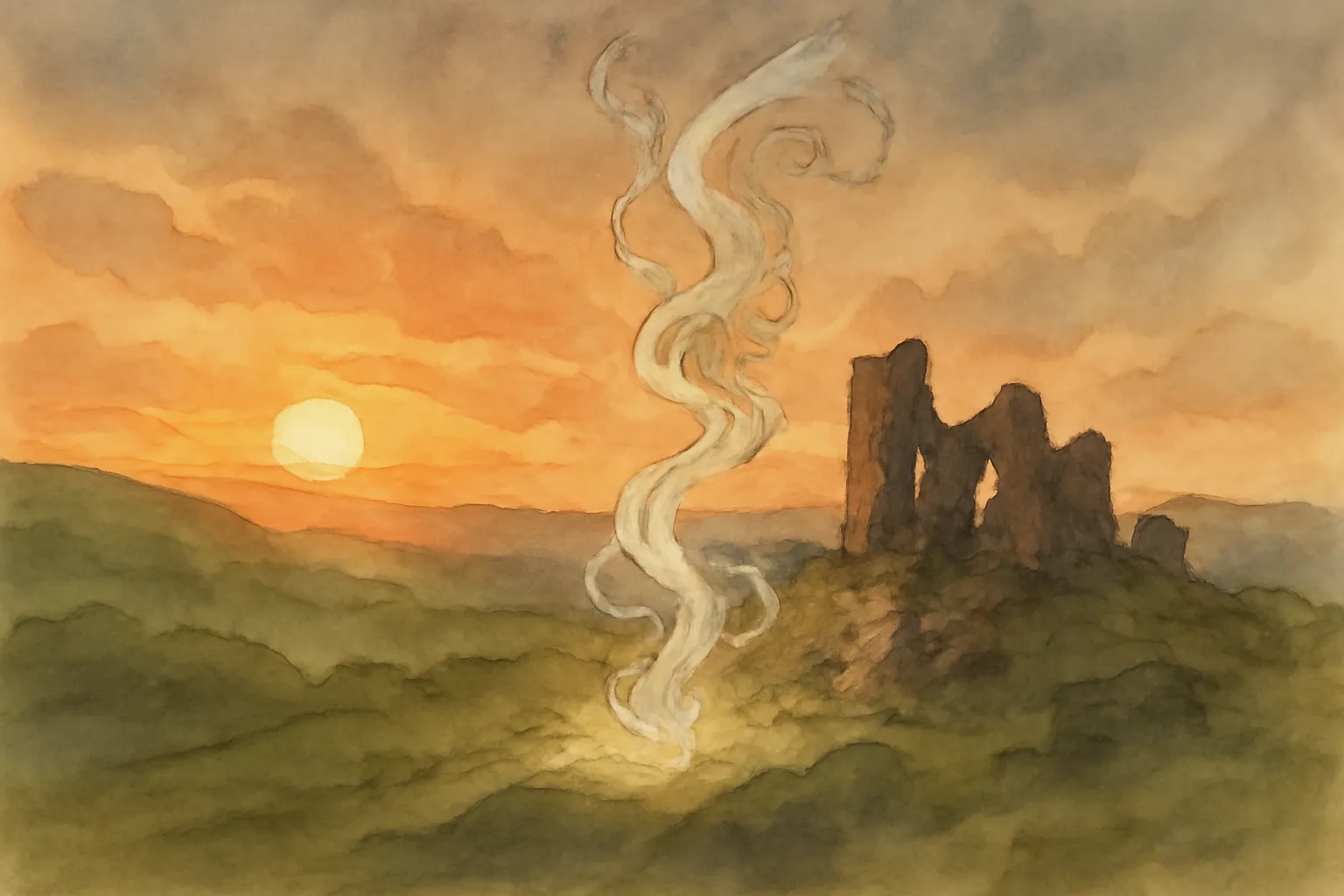
Magic in Orïsha is more than a supernatural force—it’s a symbol of cultural identity, hope, and resistance. The maji’s abilities once brought vibrancy and balance to society, but after magic is violently stripped away, it becomes a marker of oppression. The struggle to reclaim magic is not just about restoring lost powers, but about reclaiming dignity, history, and self-worth in the face of systematic erasure.
2.Systemic Oppression and Resistance
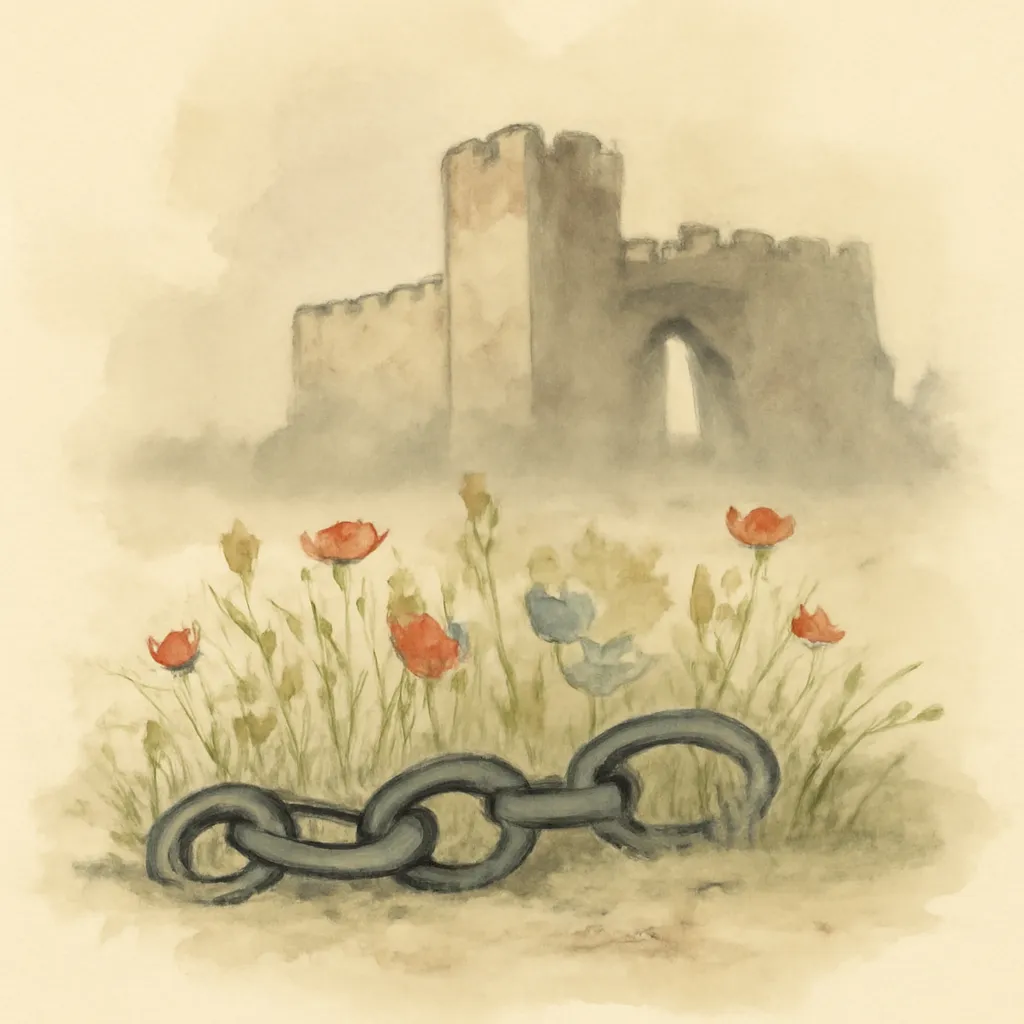
The book draws clear parallels between the fictional persecution of the maji and real-world histories of racial and cultural oppression. Through Zélie’s journey, Adeyemi explores how systems of power dehumanize the marginalized and how resistance—whether through rebellion or small acts of defiance—becomes essential for survival and change. The story challenges readers to consider the costs of both submission and uprising.
3.Family, Loss, and Legacy
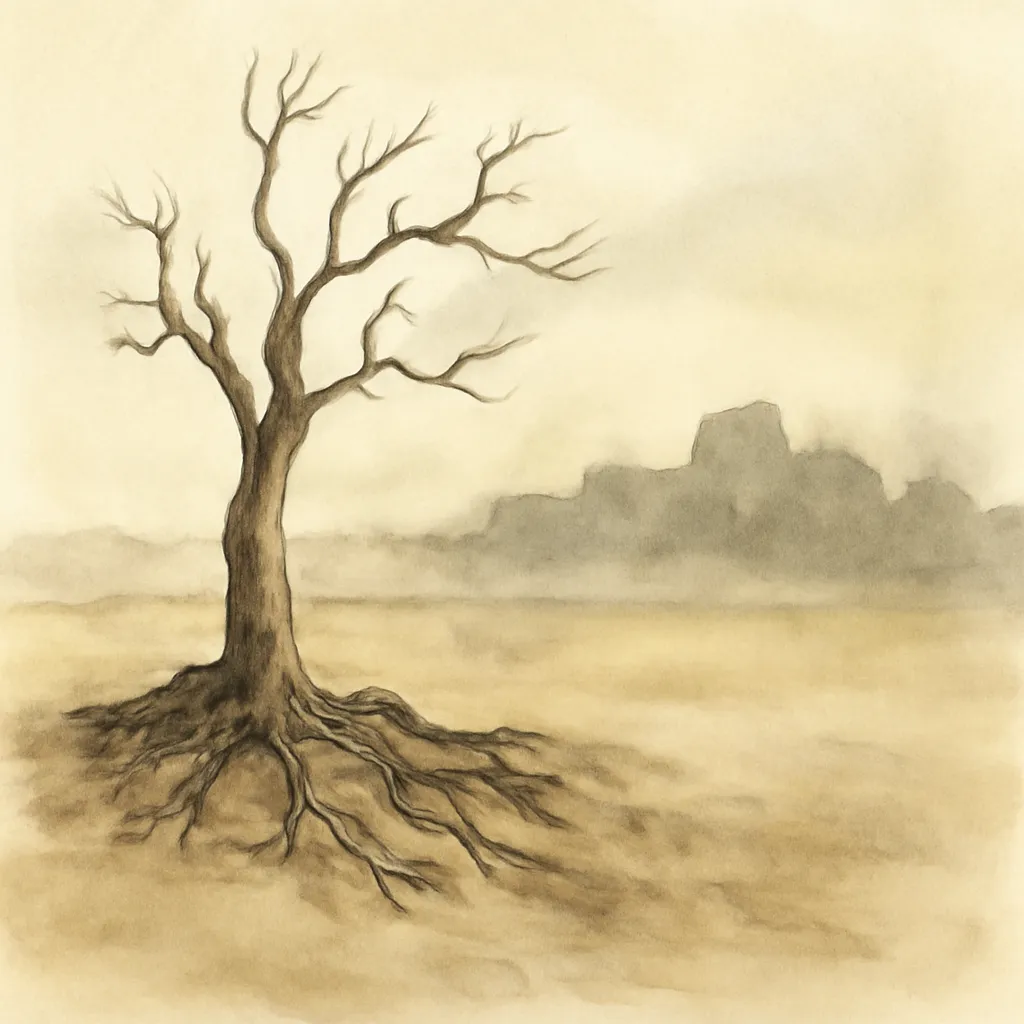
Personal loss drives many of the characters, especially Zélie, whose mother’s murder becomes a catalyst for her quest. The novel examines how grief shapes identity and motivation, but also how the bonds of family—biological and chosen—can be sources of strength. The legacy of those lost becomes a guiding force, reminding characters (and readers) that history and memory are powerful tools for resistance.
4.Identity and Self-Discovery
Each main character grapples with their sense of self in a world that tries to define them by their heritage, abilities, or status. Zélie, Amari, and Inan all undergo transformative journeys, questioning inherited beliefs and forging new paths. The novel invites readers to reflect on how identity is shaped by both internal conviction and external pressures.
5.Moral Complexity and Empathy
Adeyemi avoids simplistic portrayals of good and evil. Even antagonists are given depth, with motivations rooted in fear, trauma, or misguided love. The narrative pushes readers to empathize with characters on all sides, highlighting the dangers of hatred and the necessity of understanding in breaking cycles of violence.
6.The Burden and Hope of Change
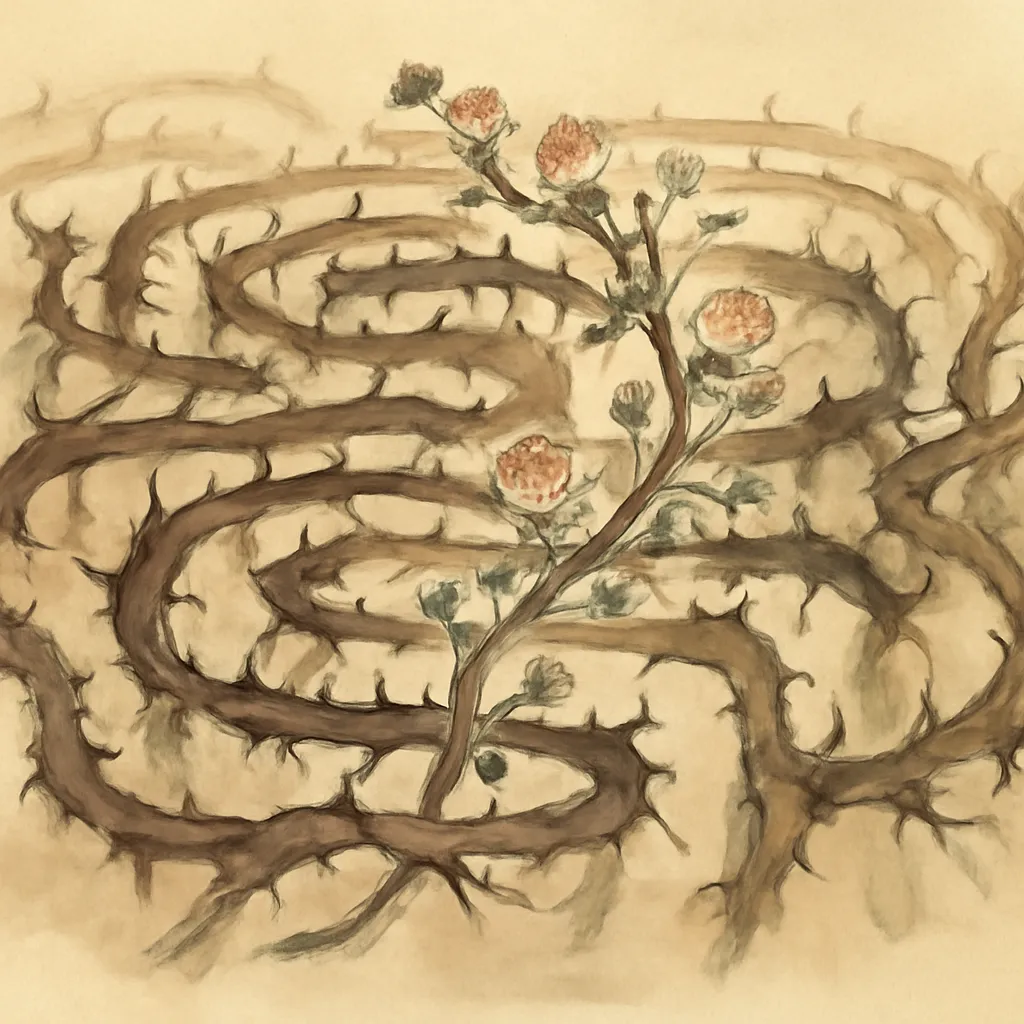
Change in Orïsha is fraught with danger and uncertainty. The characters’ quest to restore magic is as much about envisioning a new future as it is about confronting the pain of the past. The novel underscores the difficulty of dismantling entrenched systems, but also the hope that comes from collective action and the courage to imagine something better.