
Big ideas · from the full text
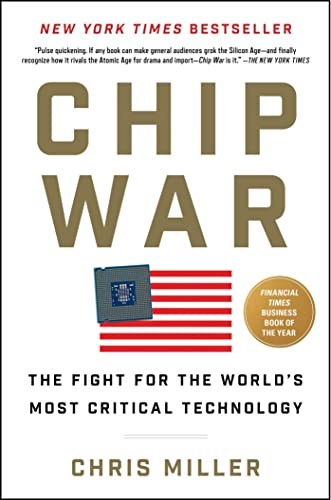
Chip War
by Chris Miller · 3 min read · Lumina’s commentary, written with AI
- Topic: Business
About this book
An epic account of the decades-long battle to control what has emerged as the world's most critical resource—microchip technology—with the United States and China increasingly in conflict. You may be surprised to learn that microchips are the new oil—the scarce resource on which the modern world depends. Today, military, economic, and geopolitical power are built on a foundation of computer chips. Virtually everything— from missiles to microwaves, smartphones to the stock market — runs on chips. Until recently, America designed and built the fastest chips and maintained its lead as the #1 superpower. Now, America's edge is slipping, undermined by competitors in Taiwan, Korea, Europe, and, above all, China. Today, as Chip War reveals, China, which spends more money each year importing chips than it spends importing oil, is pouring billions into a chip-building initiative to catch up to the US. At stake is America's military superiority and economic prosperity. Economic historian Chris Miller explains how the semiconductor came to play a critical role in modern life and how the U.S. become dominant in chip design and manufacturing and applied this technology to military systems. America's victory in the Cold War and its global military dominance stems from its ability to harness computing power more effectively than any other power. But here, too, China is catching up, with its chip-building ambitions and military modernization going hand in hand.
As an Amazon Associate, Lumina earns from qualifying purchases. How this works
♫ AI-generated voice · press play below to listen and read along; tap any passage to jump to it
Invention needs a production system
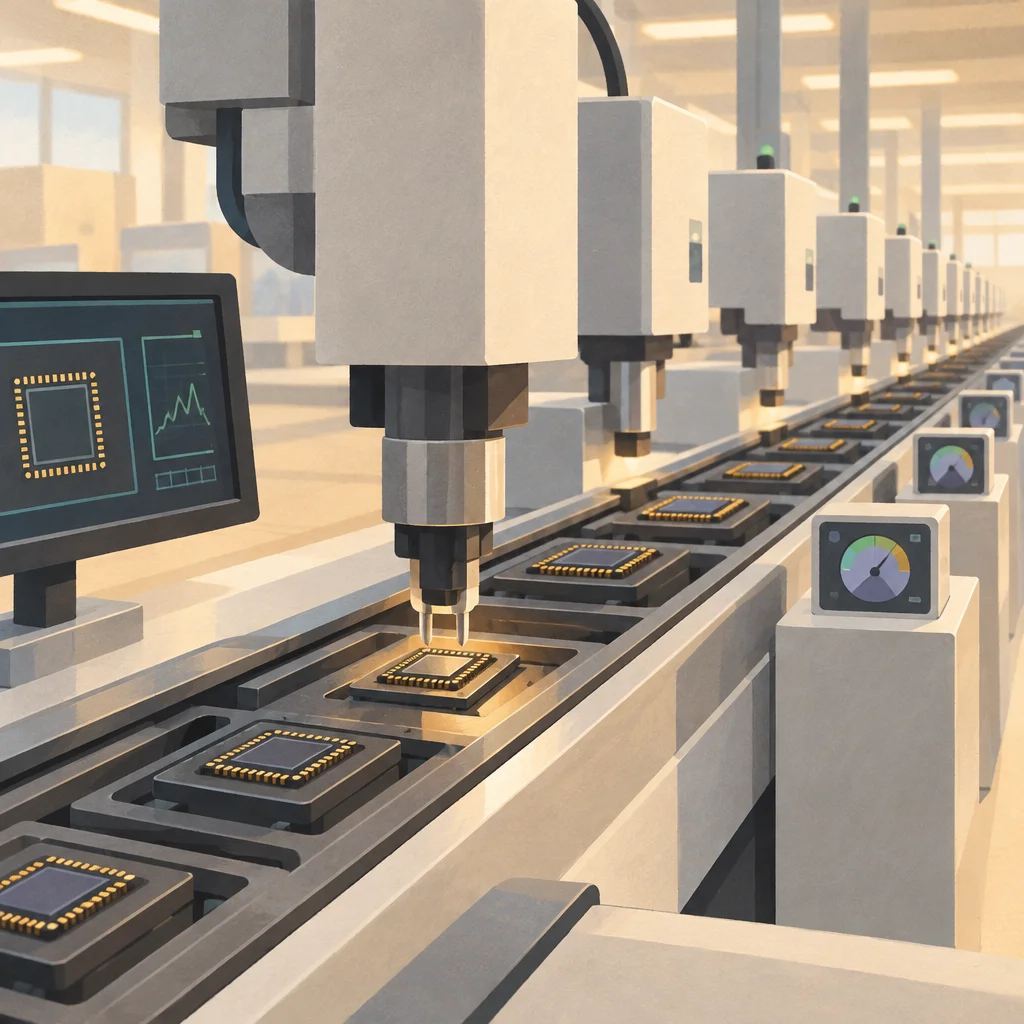
In Chip War, Chris Miller argues that semiconductor breakthroughs did not matter just because the ideas were clever. Transistors and integrated circuits became world-changing only when engineers could manufacture them reliably, raise yields, and cut prices for big buyers. The book returns to the same point: a chip breakthrough is limited until factories can make it cheaply and at scale. Early demand helped firms learn how to do this.
Why it matters
This helps readers see technology as work, discipline, money, and markets, not just discovery.
An example
Apollo and Minuteman contracts gave early chipmakers demand and helped them learn manufacturing.
Keep in mind
The summary supports this pattern for semiconductors, not for every technology sector.
Civilian markets reshaped military power
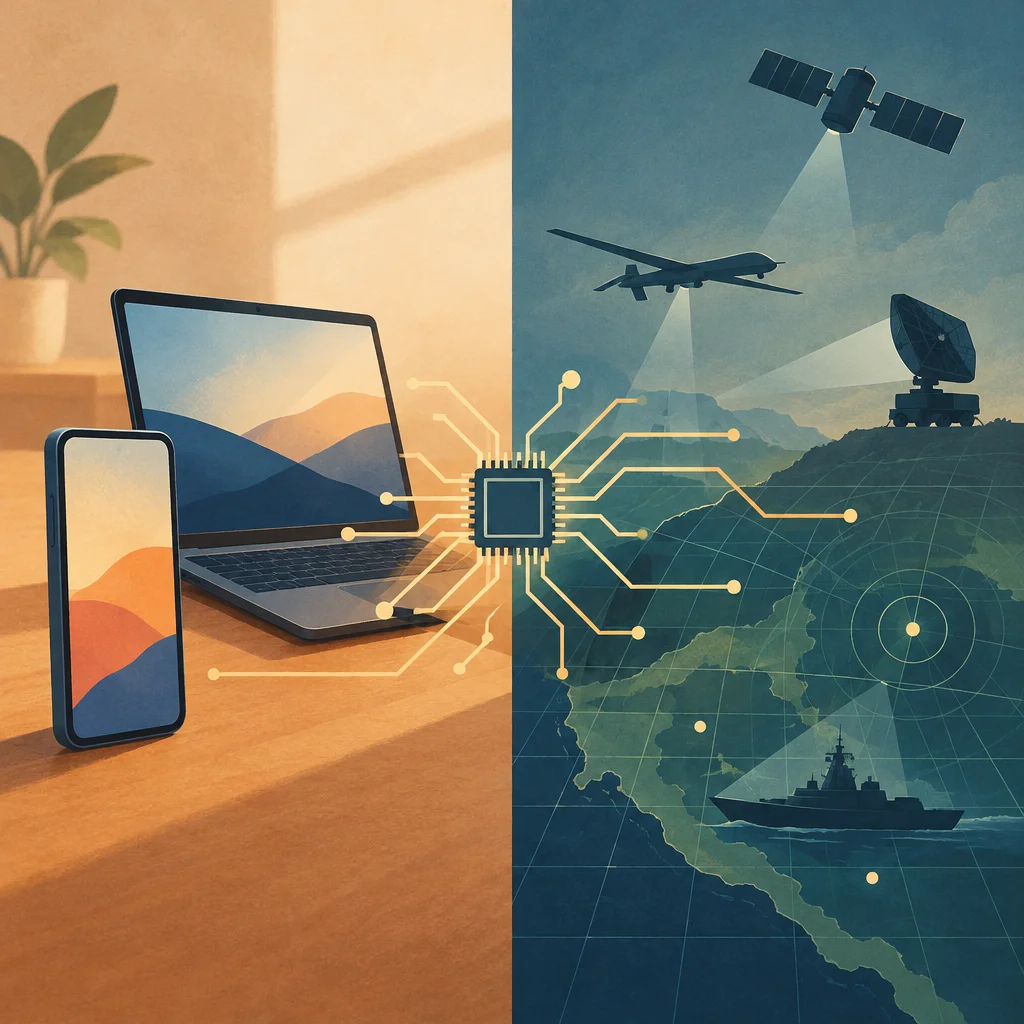
In Chip War, Chris Miller describes a two-way relationship between defense and the chip business. The U.S. military helped early chip firms with contracts, but later civilian demand became the bigger driver of improvement. PCs, phones, and communications pushed companies to raise performance and reduce cost and power use. Those commercial advances then fed back into surveillance, communications, and precision weapons, even as defense buyers had less control over where chips were made.
Why it matters
Military strength can depend on civilian industries that governments do not fully command.
An example
The Gulf War displayed chip-enabled surveillance and precision weapons with destructive effect.
Keep in mind
The book does not claim precision weapons alone decide wars; Vietnam-era accuracy did not win that war.
Specialization made chips cheap and fragile
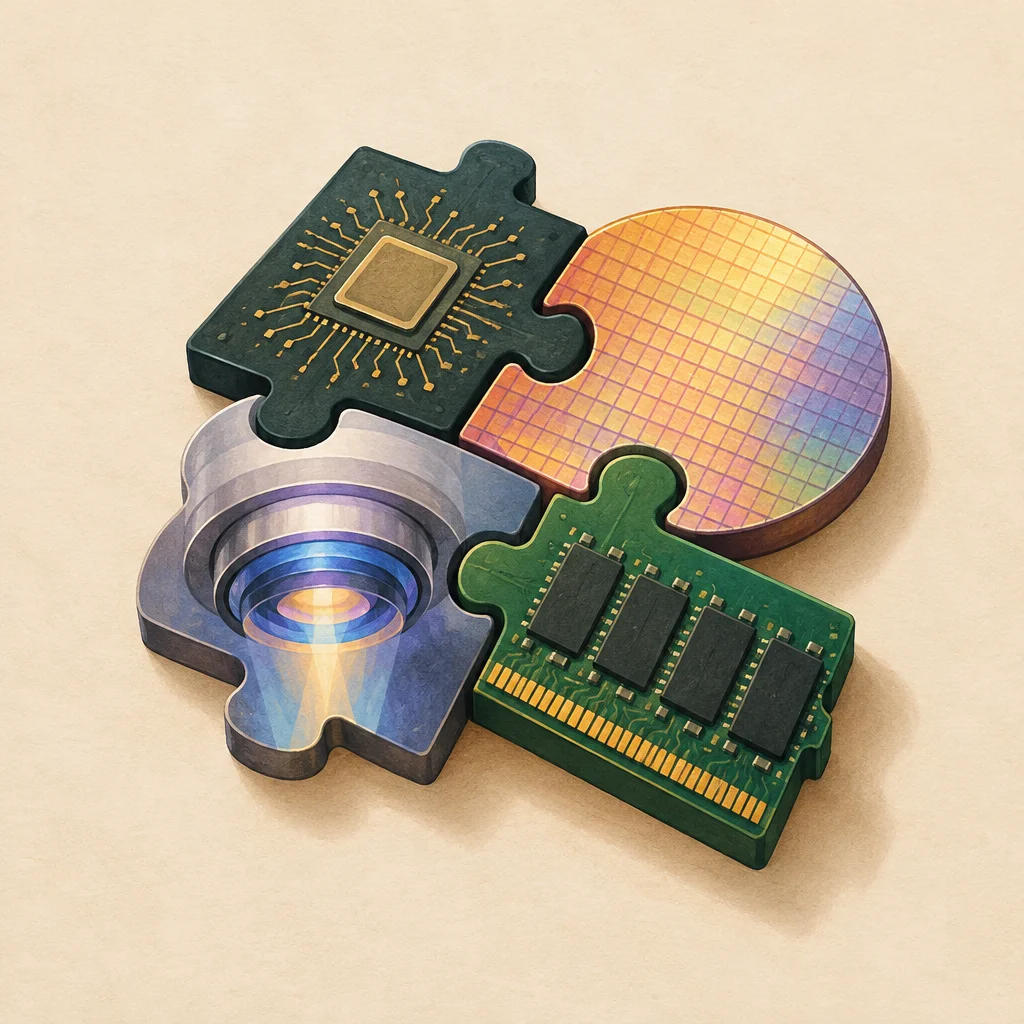
In Chip War, Chris Miller explains that the chip industry became more efficient by splitting difficult work among specialized firms. Some led in design tools and equipment, ASML in lithography systems, Korean firms in memory, and TSMC in manufacturing other companies’ designs. This specialization helped companies grow without owning fabs and supported custom chip design. The tradeoff is fragility: the world becomes dependent on a small number of hard-to-replace firms and places.
Why it matters
The same structure that lowers costs can make shocks more dangerous and recovery slower.
An example
TSMC’s foundry model manufactured customers’ designs without competing against those customers.
Keep in mind
Older-process analog and power chips have different economics, so not all chips follow the same pattern.
Export controls turn supply chains into weapons
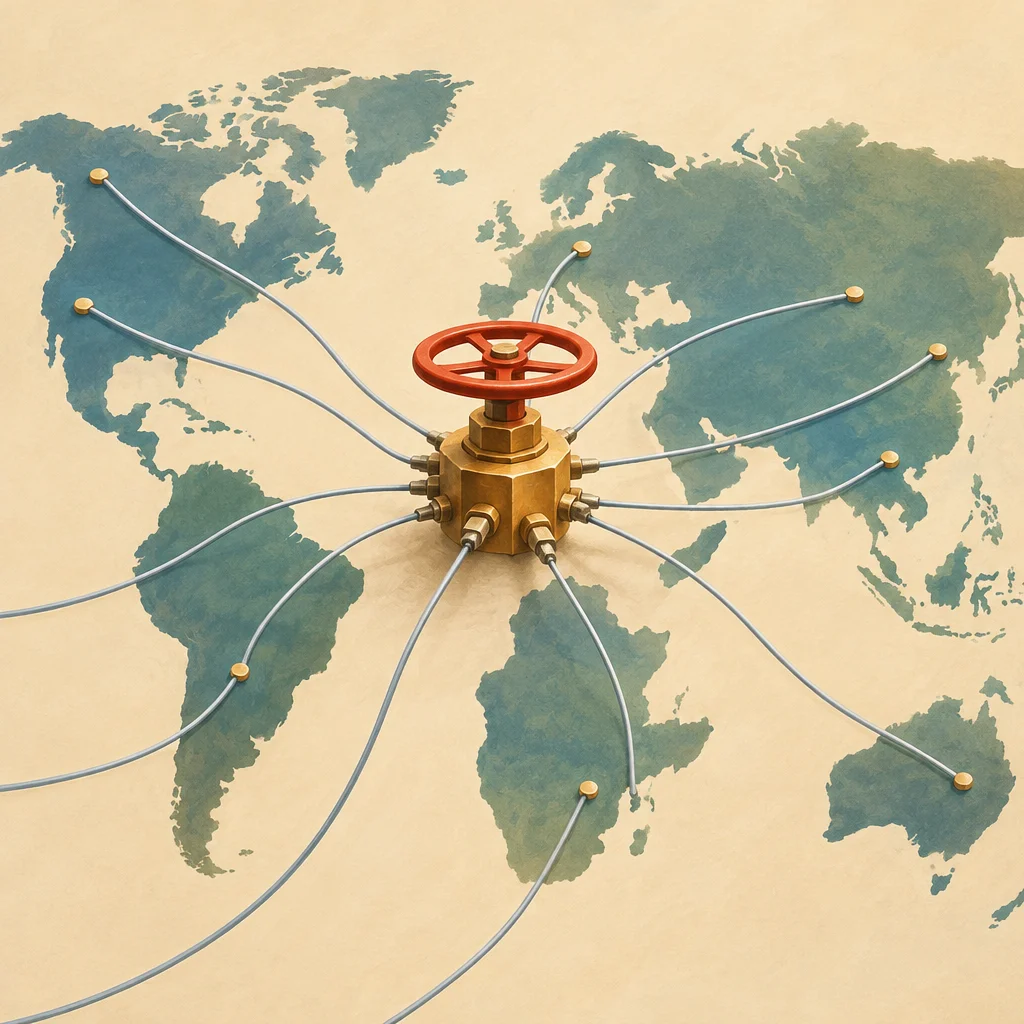
In Chip War, Chris Miller presents export controls as a way supply-chain dependence can be turned into leverage. The book describes U.S. actions that threatened ZTE, halted Fujian Jinhua’s production effort after alleged theft of Micron knowledge, and later constrained Huawei’s access to key production paths. These moves mattered because many chips and tools made outside the U.S. still relied on American technology. The book also notes the pressure can spur substitution efforts.
Why it matters
Economic links can become political weapons, and using them can change a rival’s plans.
An example
American rules limited Huawei’s access to chips made abroad with American technology.
Keep in mind
The summary says restrictions may sharpen Chinese policy; it does not prove they will produce self-sufficiency.
Taiwan is both shield and risk
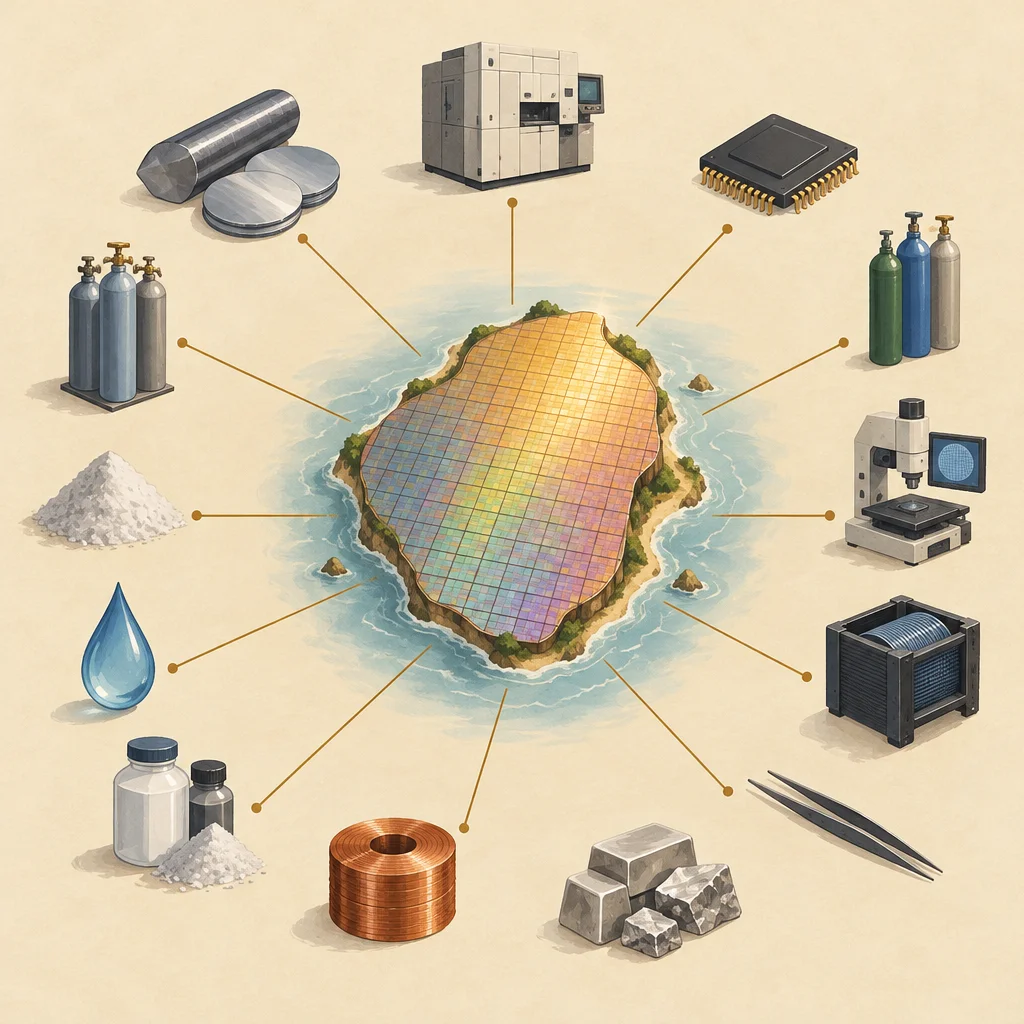
In Chip War, Chris Miller argues that Taiwan sits at the center of advanced chip fabrication, shaping the future of computing. This concentration may discourage attack because so many countries depend on Taiwan’s output. But the book treats this protection as uncertain. Disruption could come from blockade, missile strike, accident, or limited coercion. It also notes that taking fabs would not instantly provide a full supply chain, because production depends on foreign tools, materials, and knowledge.
Why it matters
The future of computing is tied to a political conflict that no factory plan can quickly solve.
An example
New fabs outside Taiwan would not soon replace its scale or leading-edge technology.
Keep in mind
The book describes risks and possible disruptions, not a certain future crisis.
Liked the ideas? Read Chip War in full.
The big ideas are free on Lumina. The complete book is available from:
As an Amazon Associate, Lumina earns from qualifying purchases. How this works