1.Framing Effects: How Presentation Alters Choices
One of the book’s central revelations is that the way choices are presented—their 'frame'—can dramatically alter decisions, even when the underlying facts remain unchanged. For example, people react differently to a surgery described as having a '90% survival rate' versus a '10% mortality rate.' This challenges the classical economic assumption that people make rational choices based solely on objective outcomes, revealing instead that context and wording play a powerful role in shaping preferences.
2.Prospect Theory: Redefining Rationality
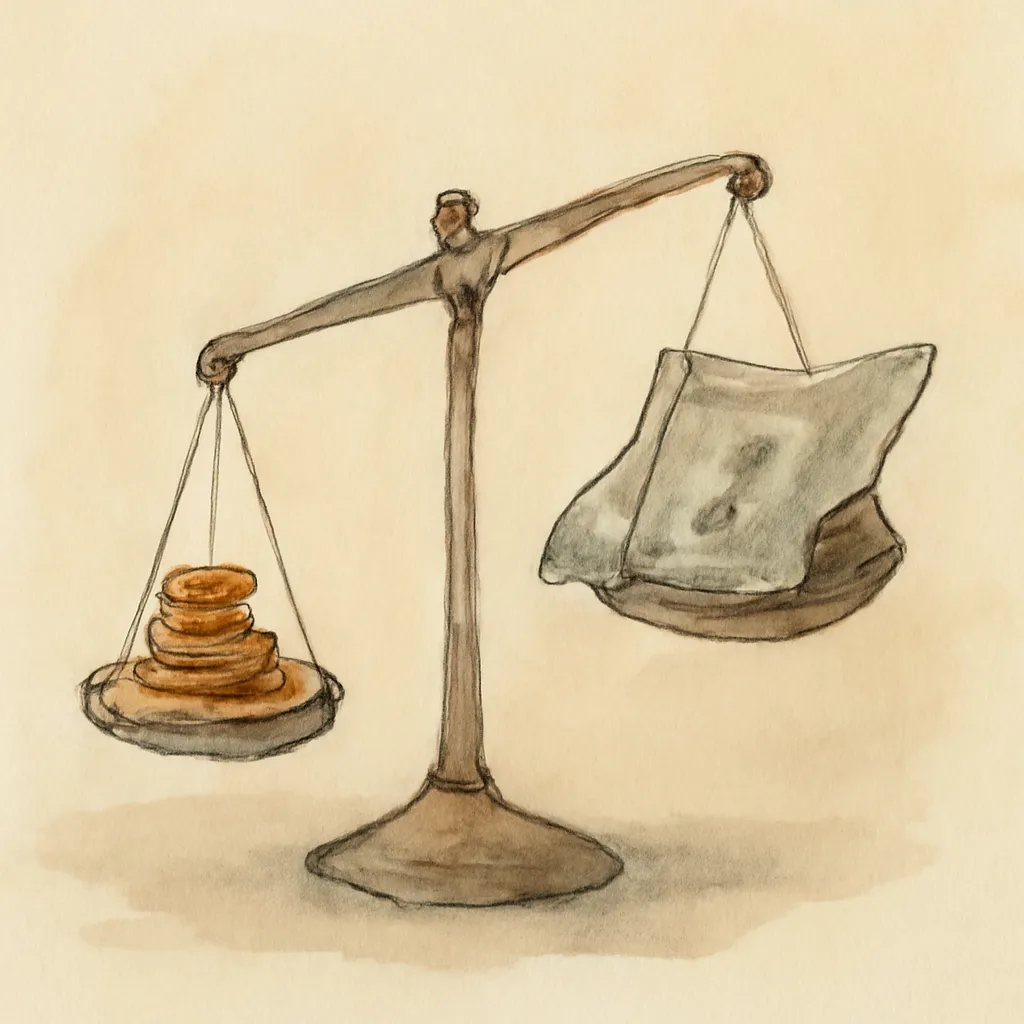
Tversky and Kahneman’s Prospect Theory, introduced and developed in these papers, revolutionized our understanding of risk and value. Unlike traditional theories that assume people weigh gains and losses equally, Prospect Theory shows that losses loom larger than gains—a phenomenon known as loss aversion. People are more upset by losing $100 than they are pleased by gaining $100, which leads to risk-averse or risk-seeking behaviors depending on how a problem is framed.
3.Reference Points and Relative Value
Rather than evaluating outcomes in absolute terms, people judge gains and losses relative to a reference point—often the status quo or an expectation. This means that the same outcome can be perceived as a gain or a loss depending on what the person considers 'normal.' This relativity explains why people may reject a deal that’s objectively beneficial if it feels like a loss compared to what they expected.
4.Heuristics and Biases: Mental Shortcuts with Costs
Tversky’s work systematically catalogues the mental shortcuts—heuristics—that people use to make complex decisions manageable. While these shortcuts are often useful, they also lead to predictable errors, such as overestimating the probability of vivid events (availability heuristic) or relying too heavily on initial information (anchoring bias). Recognizing these biases is key to understanding why smart people make poor decisions.
5.The Endowment Effect and Status Quo Bias
People tend to overvalue what they already own (the endowment effect) and prefer things to stay the same (status quo bias). These tendencies can lead to inertia in personal finances, reluctance to change policies, or irrational attachment to possessions. Tversky’s research explains why letting go—of objects, investments, or beliefs—often feels harder than logic would suggest.
6.Implications for Economics, Policy, and Ethics
By exposing the systematic ways in which real human behavior diverges from rational models, Tversky’s work has transformed fields from economics to public policy. Understanding these patterns helps design better interventions, from retirement savings plans to health messaging, and raises important ethical questions about nudging and manipulation.