1.Climate Change as a Justice Issue
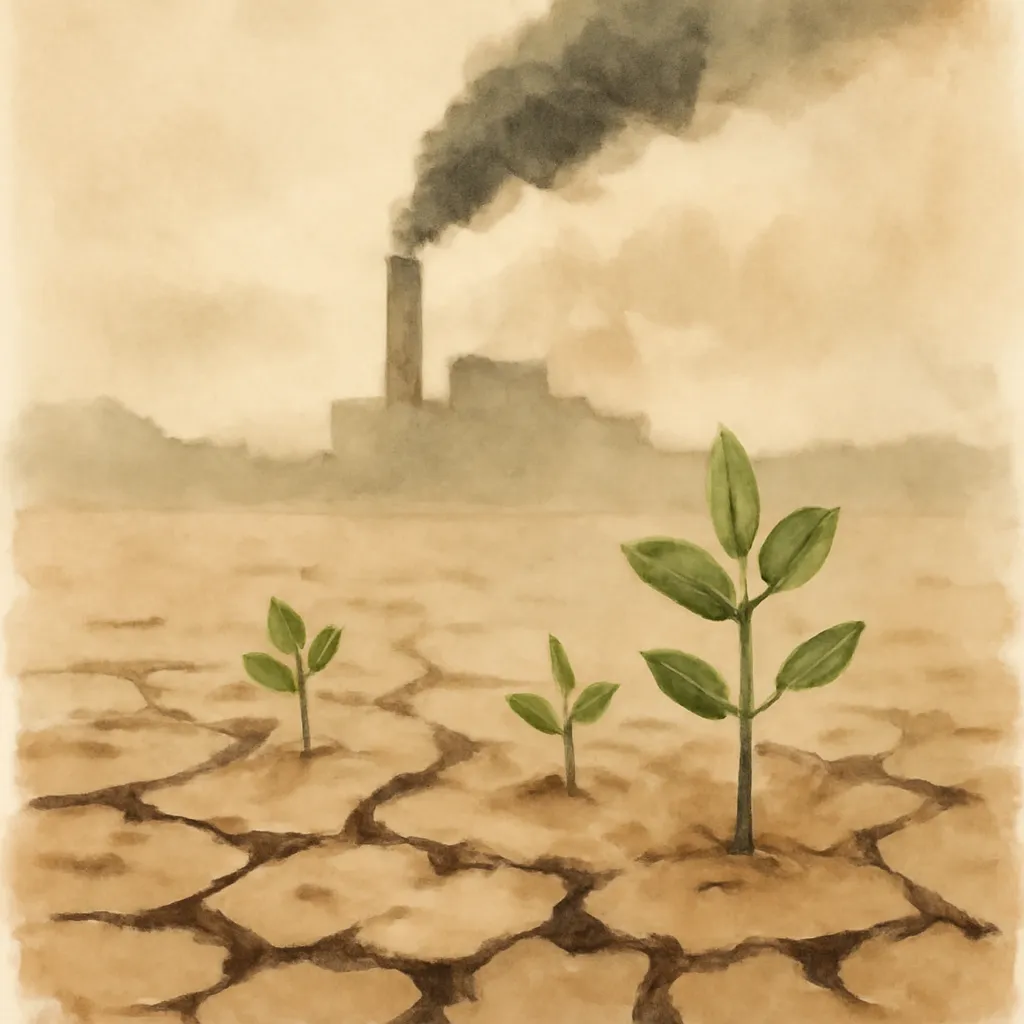
Robinson reframes climate change not just as an environmental or scientific problem, but fundamentally as a matter of justice. She highlights how the poorest and most marginalized communities, who have contributed least to global emissions, bear the brunt of climate impacts. The book insists that solutions must prioritize equity, fairness, and the protection of human rights, making the fight against climate change inseparable from the fight for social justice.
2.The Power of Grassroots Leadership
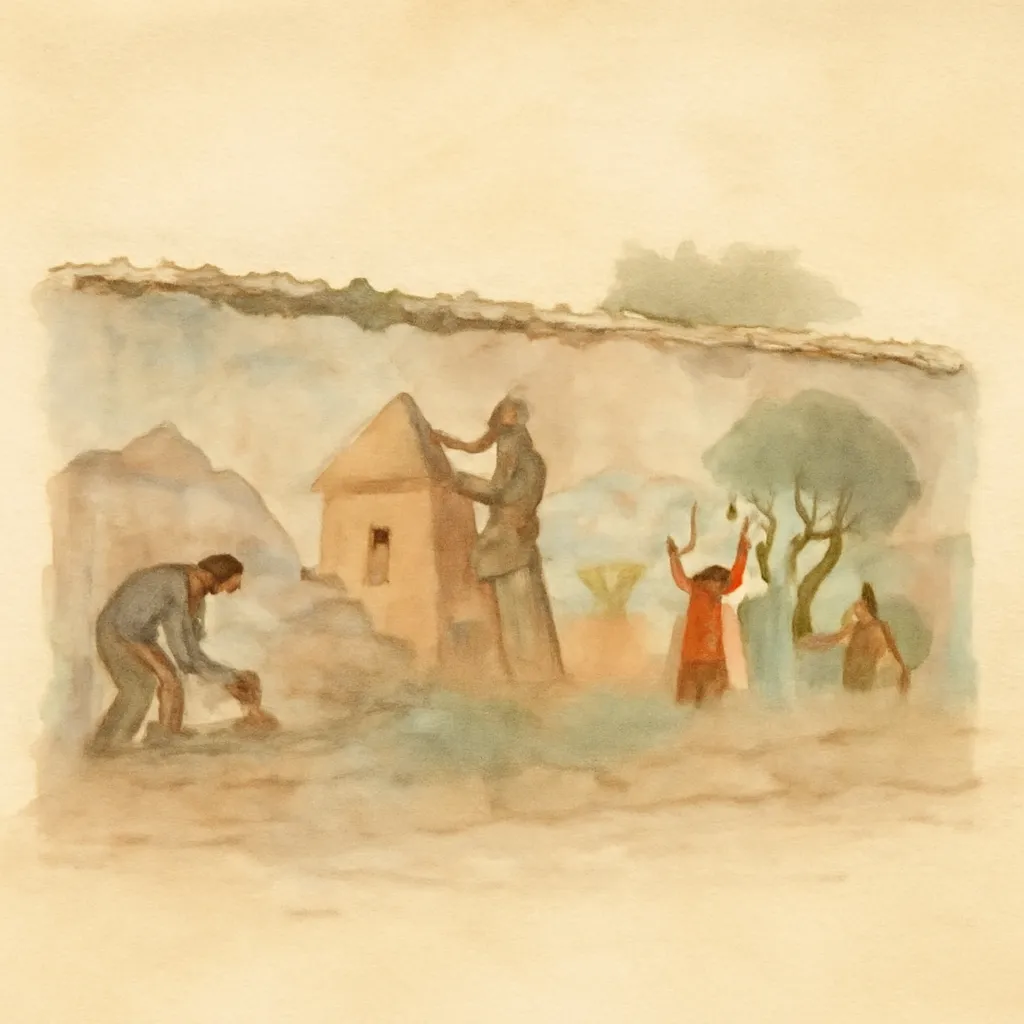
A central theme is the transformative power of grassroots activism. Robinson shares stories of individuals—often women in vulnerable communities—who become leaders in resilience and adaptation. These local efforts, from rebuilding after disasters to advocating for policy change, demonstrate that real progress often starts from the ground up, challenging the notion that only governments or large organizations can drive climate solutions.
3.Women as Agents of Change
Throughout the book, Robinson emphasizes the crucial role women play in climate action. Women are frequently on the frontlines, both as those most affected and as innovators in adaptation and mitigation. By centering women's experiences and leadership, Robinson argues that gender equality is not just a moral imperative but a practical necessity for effective climate solutions.
4.Personalizing the Climate Crisis
Robinson’s narrative is deeply personal, beginning with her own realization of climate change’s impact on her grandchildren’s future. By sharing intimate stories from around the world, she makes the abstract threat of climate change tangible and immediate. This approach is designed to foster empathy and a sense of shared responsibility among readers.
5.Hope and Resilience Amid Adversity
Despite the gravity of the crisis, Robinson’s book is fundamentally hopeful. She highlights stories of resilience, adaptation, and triumph over adversity, arguing that hope is a necessary ingredient for sustained action. The book encourages readers to see themselves as part of a global movement, capable of making a difference through solidarity and persistence.
6.Global Solidarity and Policy Change
Robinson stresses that while local action is vital, systemic change requires international cooperation and strong policy frameworks. She calls for wealthy nations to support vulnerable countries, honor climate finance commitments, and ensure that global agreements like the Paris Accord are implemented with justice at their core.