1.Communication as the Root of Computing
Petzold frames the story of computers as fundamentally about communication. He draws parallels between language, signals, and codes—like Morse and Braille—to show that computers are extensions of humanity’s drive to encode, transmit, and process information. By grounding digital technology in familiar systems, Petzold makes the leap from everyday communication to binary logic feel natural and intuitive.
2.From Switches to Circuits: Building Blocks of Logic
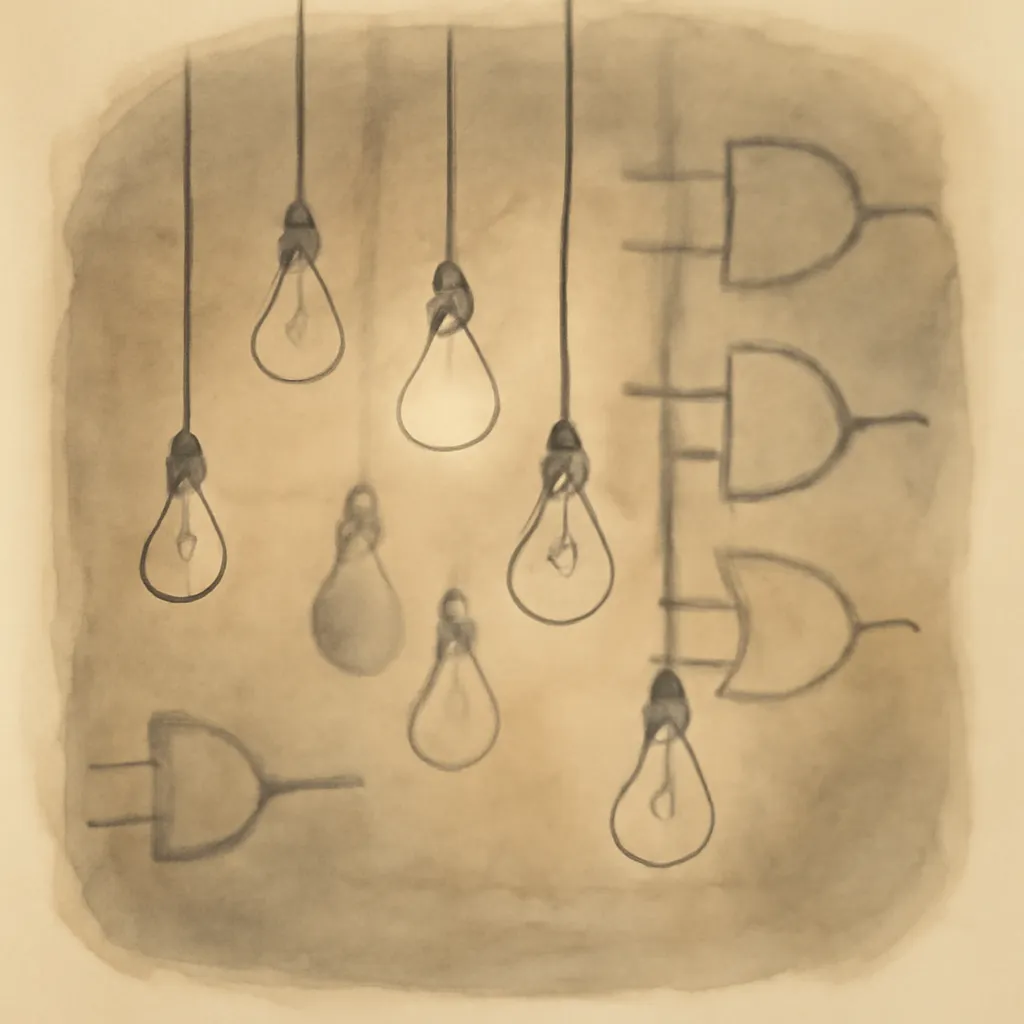
The book meticulously traces how simple on-off switches (relays, light bulbs, telegraph keys) can be combined to create logical operations. Petzold walks readers through the construction of basic logic gates and circuits, demonstrating how complex computation emerges from the humble binary state. This hands-on, bottom-up approach demystifies how hardware can 'think' using nothing but electricity and clever arrangement.
3.Binary: The Language of Machines
Petzold emphasizes the centrality of binary—the simplest code—in all digital technology. He explains how numbers, letters, and instructions are represented in binary, and how this universal language enables computers to process diverse forms of information. The book shows that, at its core, a computer is a machine for manipulating binary symbols according to precise rules.
4.Layering Abstraction: From Hardware to Software
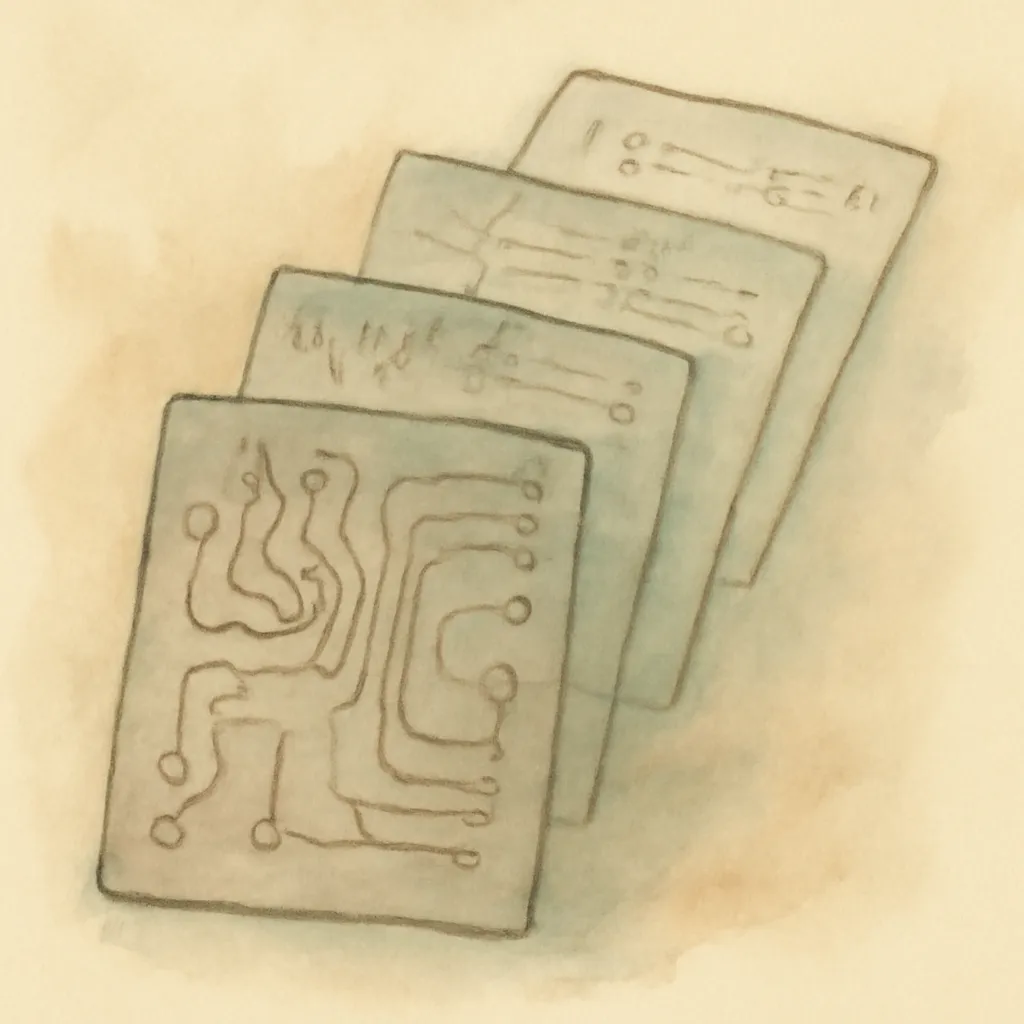
A key insight is how layers of abstraction allow us to build ever more complex systems. Petzold illustrates how physical circuits give rise to memory, arithmetic, and ultimately programmable machines. He then bridges to software, showing how instructions written in code translate into electrical activity. This layered perspective reveals the elegance and power of abstraction in technology.
5.Demystifying the 'Magic' of Computers
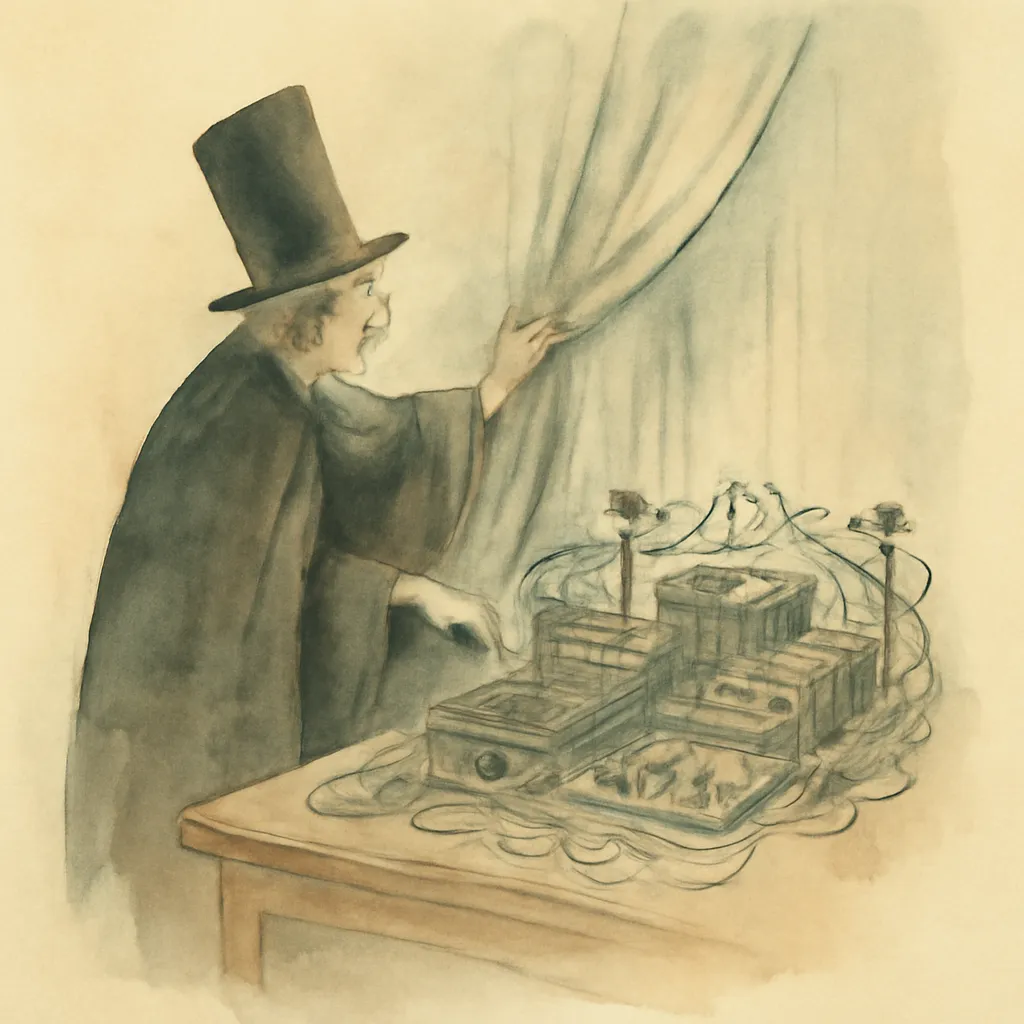
By connecting each step—from telegraphs to transistors to operating systems—Petzold strips away the mystique surrounding computers. He shows that what appears magical is the product of cumulative human ingenuity, logic, and problem-solving. This empowers readers to see computers as comprehensible and approachable, not impenetrable mysteries.
6.The Human Story Behind Technology
Throughout, Petzold weaves in the historical context and human stories behind technological milestones. He highlights the inventors, tinkerers, and thinkers who contributed to the evolution of computing. This narrative approach reminds readers that technology is not inevitable or alien, but the result of creative human effort.