1.The Five-Point Framework
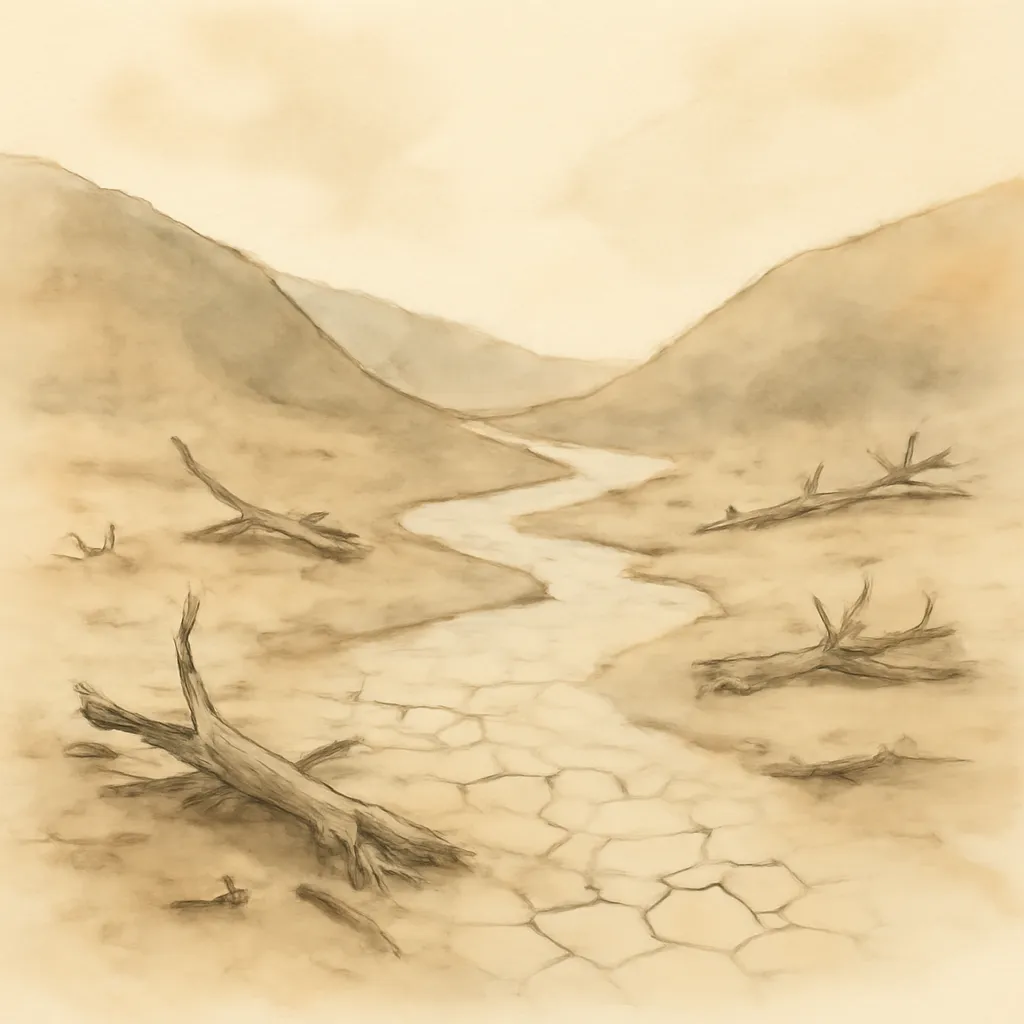
Diamond introduces a five-factor model to explain societal collapse: environmental damage, climate change, hostile neighbors, loss of friendly trade partners, and the society’s own responses to its challenges. He argues that while all these factors can contribute, it is ultimately a society’s choices—how it perceives and reacts to problems—that determine its fate. This framework allows readers to compare diverse societies and see patterns in their downfalls.
2.Ecological Self-Destruction
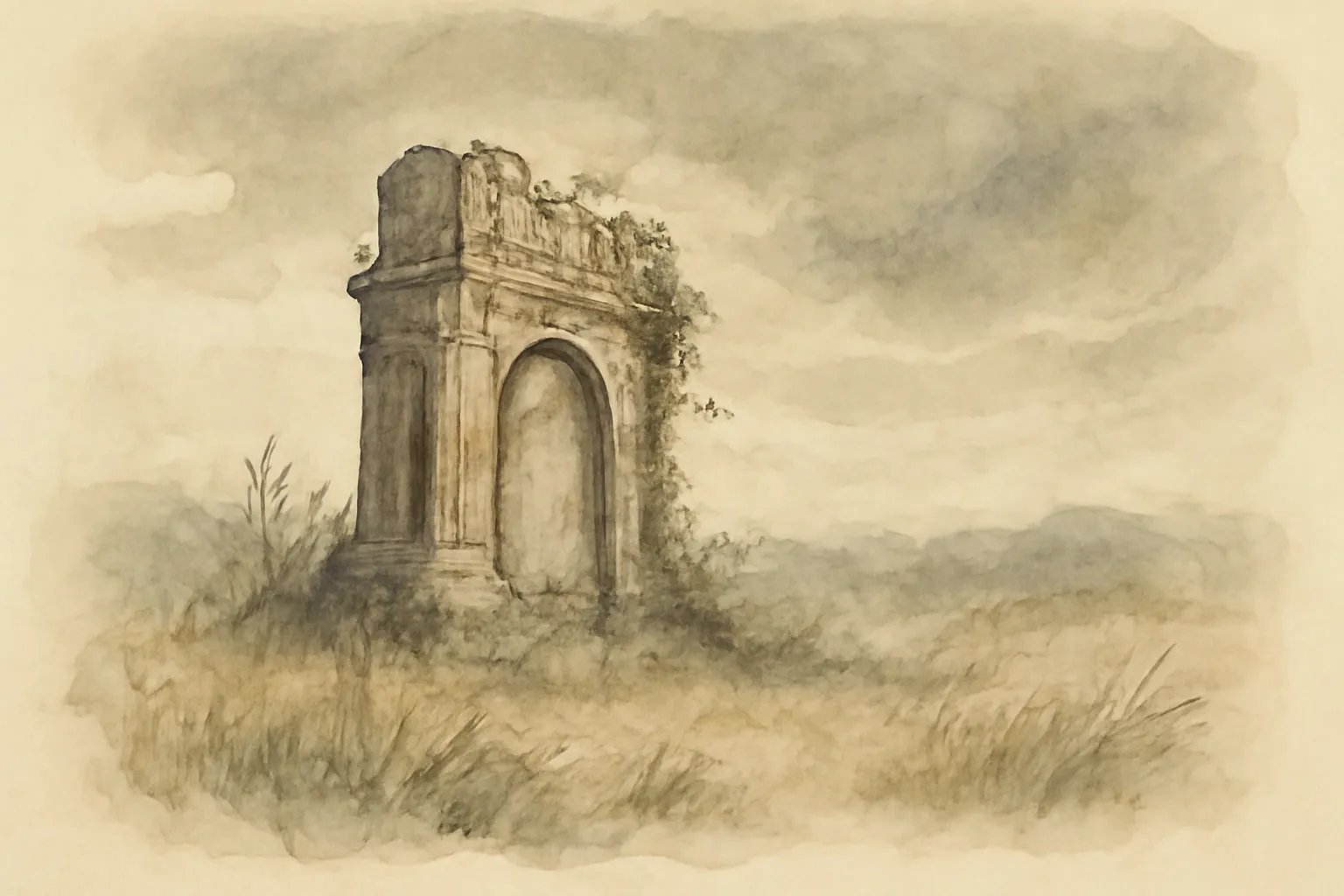
Many collapsed societies, from Easter Island to the Maya, depleted their own natural resources—especially forests and soil—beyond recovery. Diamond shows how short-term gains (like clearing land for agriculture or building monuments) led to long-term disaster when environmental limits were ignored. The book draws a direct line between ecological recklessness and societal decline, emphasizing the need for sustainable resource management.
3.The Importance of Societal Choices
Collapse is not inevitable, even under severe stress. Diamond highlights societies that survived by adapting their values, institutions, and technologies. For example, Japan’s Tokugawa shogunate implemented strict forest management, averting ecological disaster. The key difference between collapse and resilience often lies in a society’s willingness to recognize problems and change course.
4.Modern Parallels and Warnings
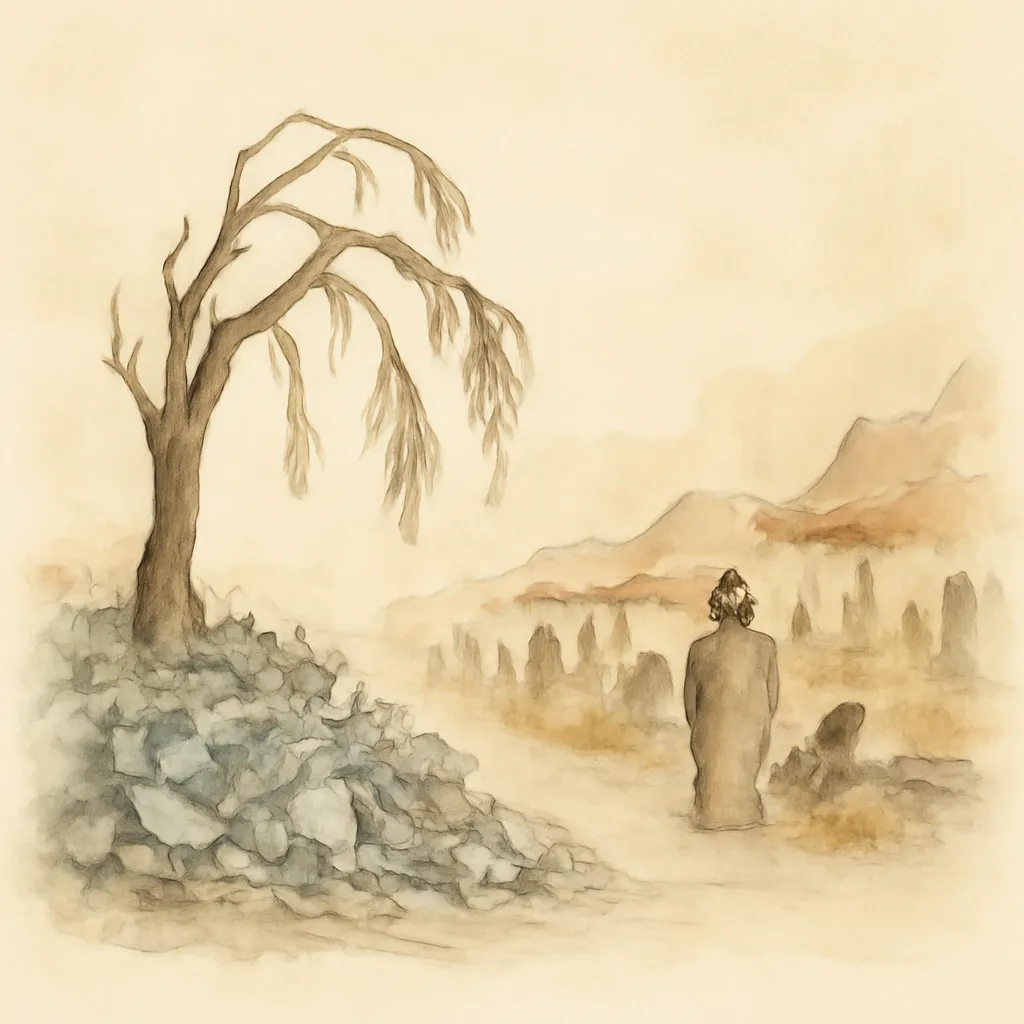
Diamond draws explicit connections between ancient collapses and contemporary environmental crises, such as deforestation, climate change, and overconsumption. He warns that the same patterns—denial, short-term thinking, and failure to act—threaten modern societies. The book is both a history lesson and a call to action, urging readers to learn from the past to avoid repeating its mistakes.
5.Interconnectedness and Globalization
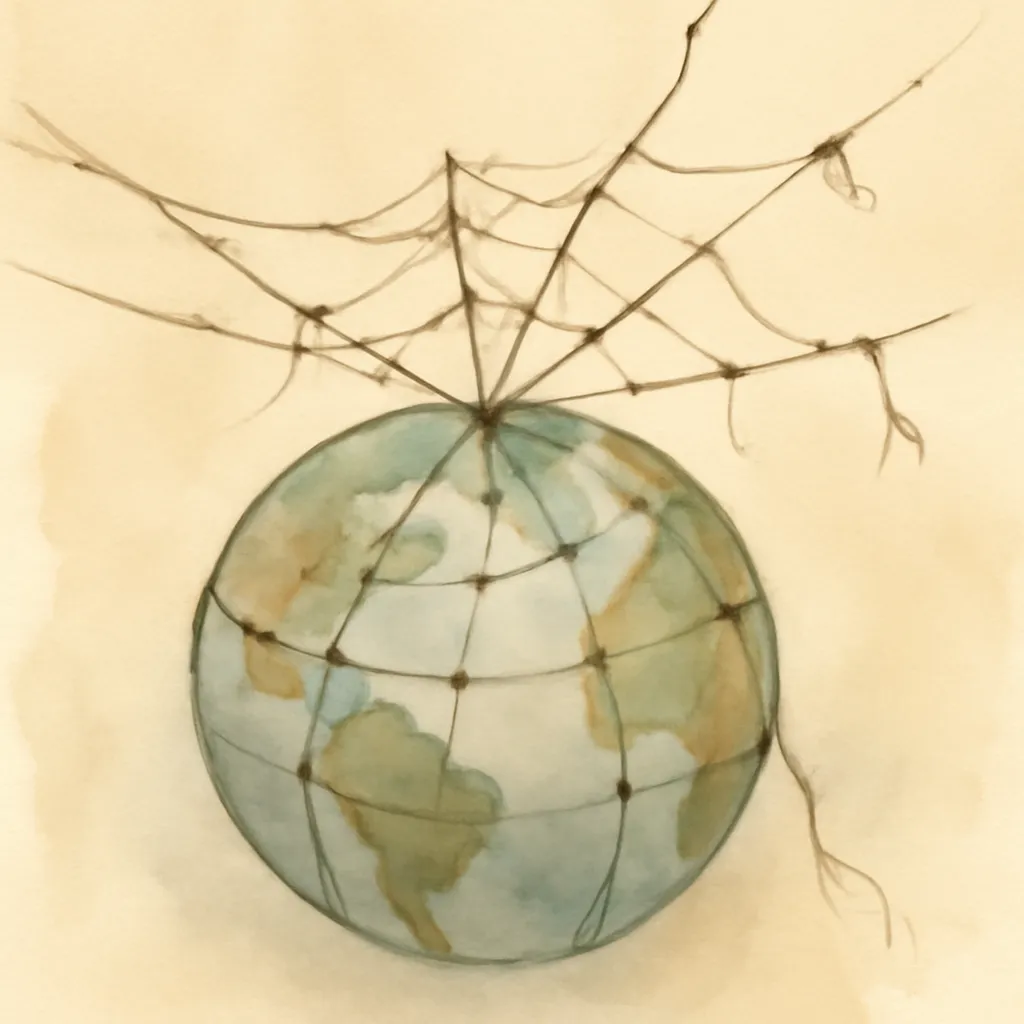
Unlike isolated ancient societies, today’s world is highly interconnected. Diamond explores how globalization can both buffer and amplify risks: trade can provide lifelines, but also spread shocks more widely. He suggests that global cooperation and shared responsibility are essential to prevent large-scale collapse in the modern era.
6.Role of Leadership and Values
Leadership and cultural values play a decisive role in determining whether societies confront or ignore looming crises. Diamond discusses how elites sometimes insulate themselves from the consequences of environmental decline, hastening collapse. Societies that foster inclusive decision-making and long-term thinking are better equipped to survive.