1.Culture Shapes Adolescence
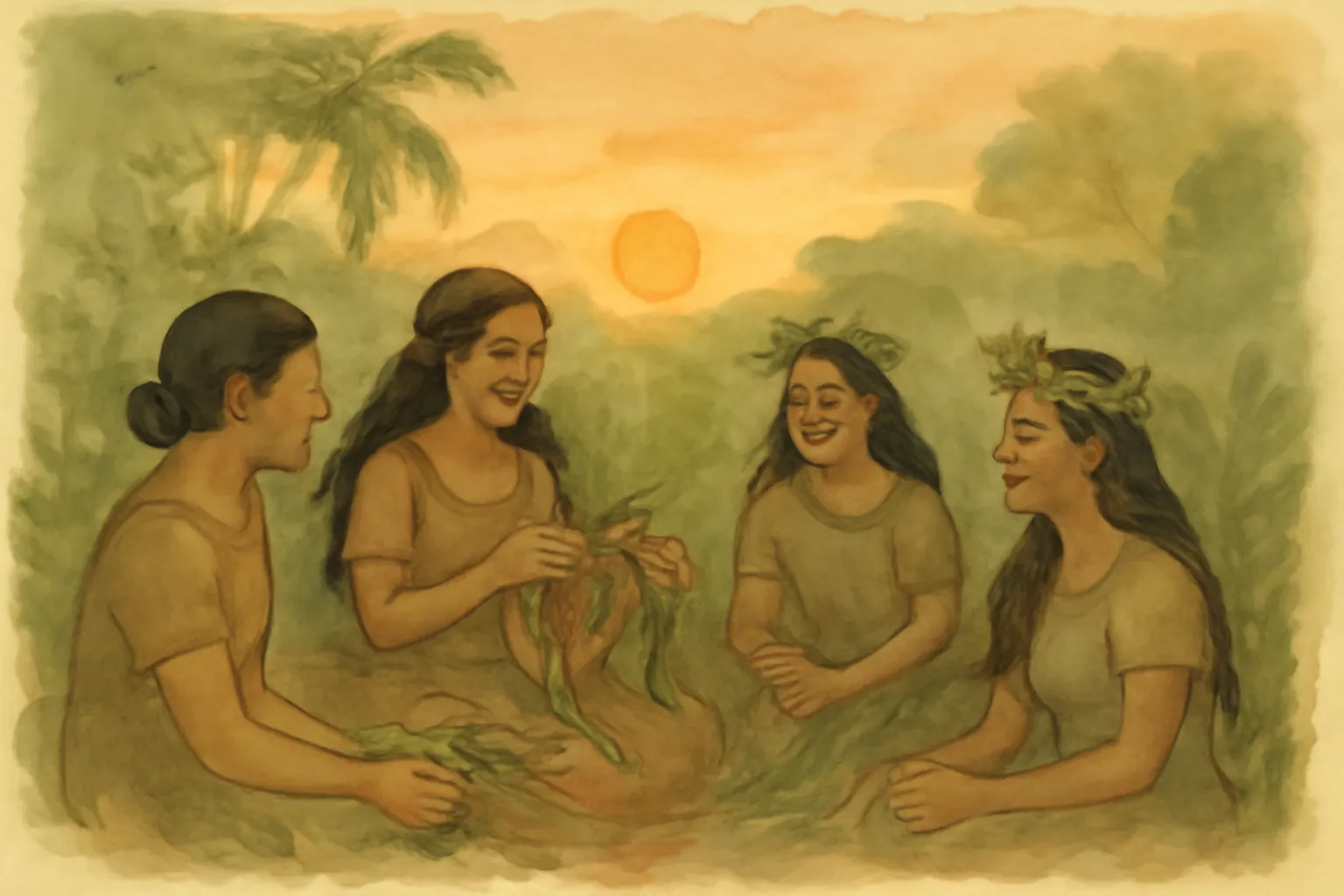
Mead’s central argument is that the turbulence often associated with adolescence in Western societies is not universal, but largely a product of cultural expectations. By observing Samoan girls, she found that their transition into adulthood was marked by relative ease and lack of emotional upheaval. This suggests that the challenges of adolescence are not biologically determined but influenced by social environment and upbringing.
2.Sexuality Without Stigma
One of Mead’s most provocative findings was the openness with which Samoan society approached sexuality. Unlike the secrecy and guilt that often surround adolescent sexuality in the West, Samoan girls were free to explore relationships without harsh judgment or lasting consequences. This cultural acceptance, she argued, contributed to their psychological well-being and smooth passage into adulthood.
3.Flexible Gender Roles
Mead observed that gender roles in Samoa were less rigid than in the United States at the time. While there were still expectations based on gender, the boundaries were more permeable, allowing girls a degree of autonomy and influence in social life. This flexibility was reflected in their friendships, work, and courtship, challenging Western notions of strict gender binaries.
4.The Power of Socialization
A key insight from Mead’s work is the profound impact of socialization on personality and behavior. She argued that children and adolescents are shaped by the models, values, and expectations they encounter, and that societies can, intentionally or not, foster certain traits and suppress others. This idea laid groundwork for later debates on nature versus nurture.
5.Questioning Universality
Mead’s study directly challenges the idea that Western experiences and values are universal. By documenting a society with very different attitudes toward family, sexuality, and adolescence, she urged readers to recognize the diversity of human experience and to question ethnocentric assumptions.
6.Anthropology as a Mirror
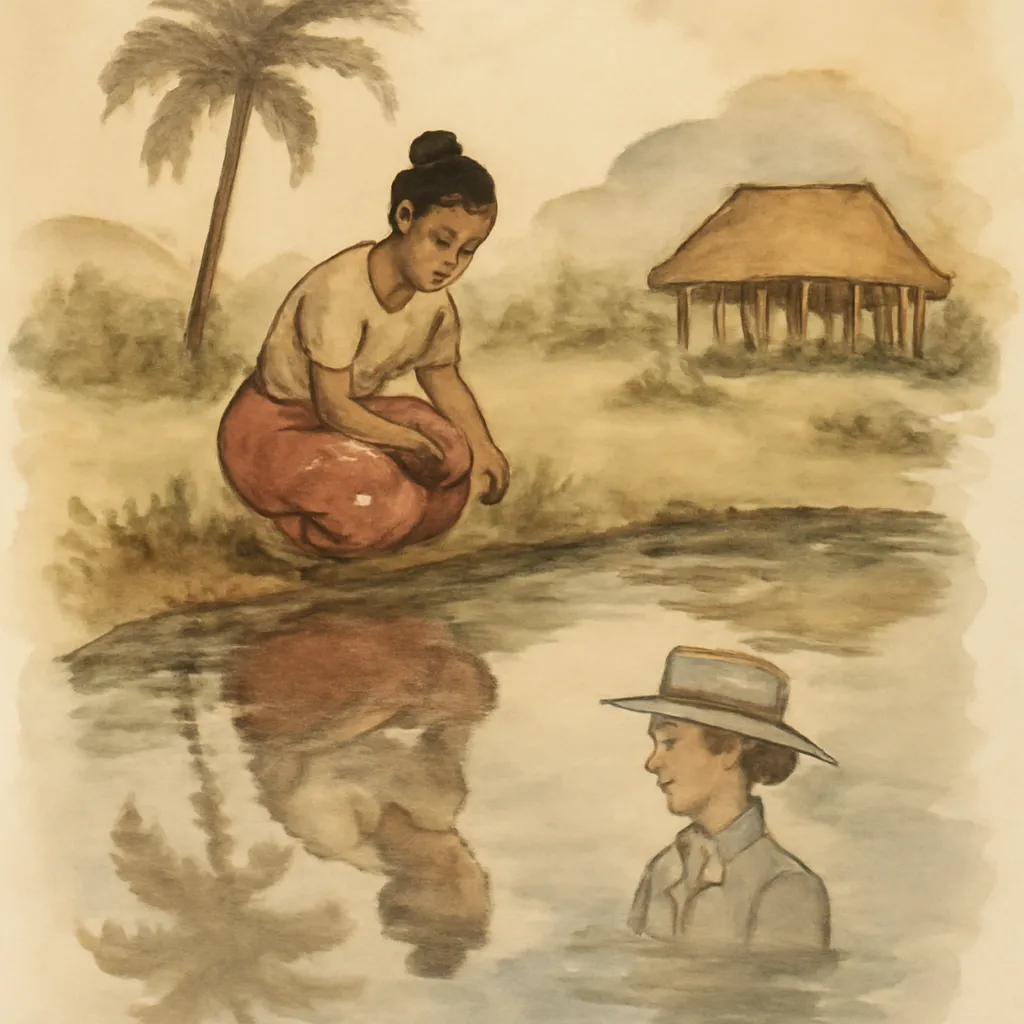
Mead’s method—immersing herself in Samoan daily life—demonstrates how anthropology can serve as a mirror, reflecting back the peculiarities and blind spots of one’s own society. Her work encouraged Americans to see their own customs as products of culture, not nature, and to imagine alternative ways of organizing social life.