1.Three Pillars of Computational Intelligence
The book structures computational intelligence around neural networks, fuzzy systems, and evolutionary computation. Each pillar is presented as both distinct and interconnected, offering a holistic view of how machines can emulate aspects of human and biological intelligence. This framework helps readers see not just the technical details, but also the conceptual unity behind these approaches.
2.Nature-Inspired Problem Solving
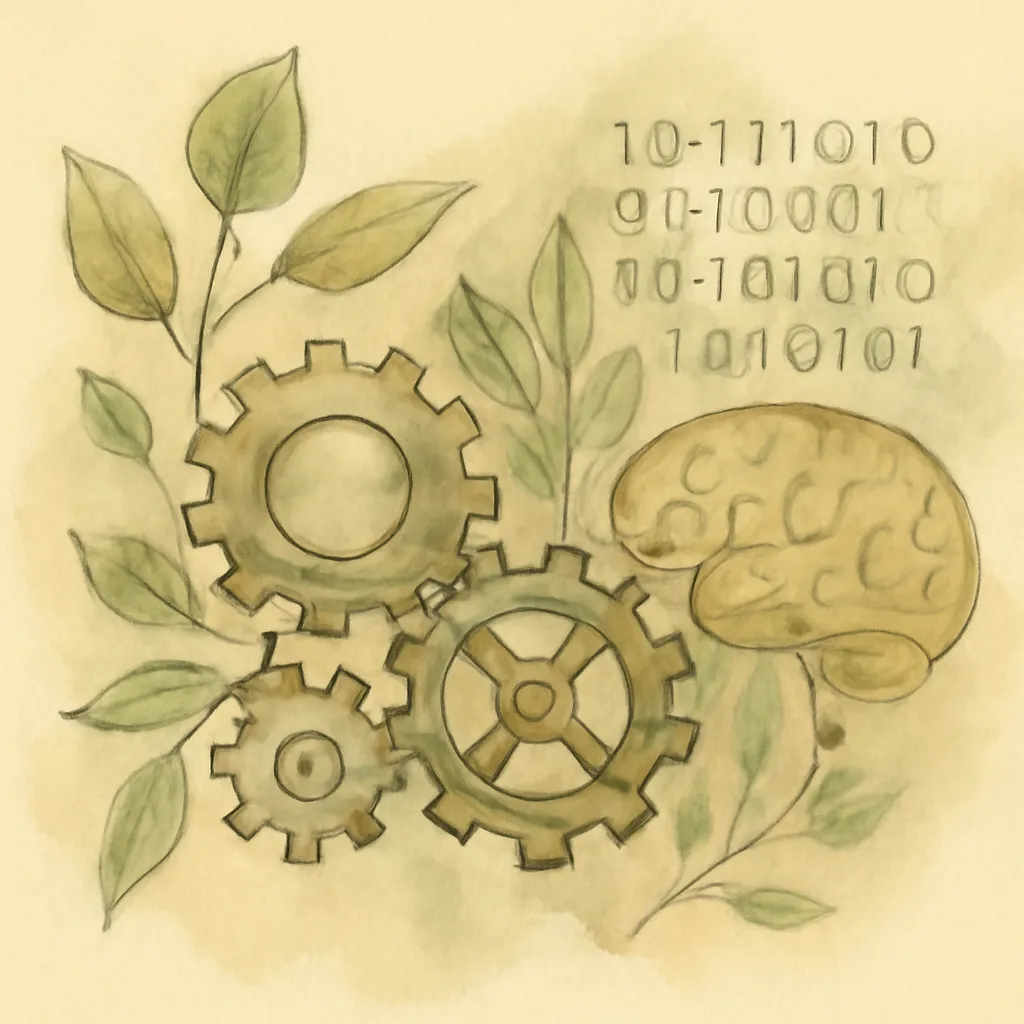
A central theme is how computational intelligence draws inspiration from biology and natural systems. Neural networks mimic the brain’s learning, fuzzy logic models the ambiguity of human reasoning, and evolutionary algorithms simulate adaptation and survival. This perspective highlights the creativity behind these methods and their suitability for complex, real-world problems where traditional algorithms fall short.
3.Unified and Consistent Treatment
Unlike many texts that treat these fields separately, the authors provide a uniform style and notation across all three domains. This consistency makes it easier for readers to compare, contrast, and even combine methods, fostering a deeper understanding of their shared foundations and unique strengths.
4.From Theory to Practice
The book balances theoretical foundations with practical implementation. It discusses not only the mathematics and algorithms but also how these techniques are applied to real-world tasks like pattern recognition, control, and optimization. This dual focus makes it valuable for both students and practitioners seeking to bridge the gap between theory and application.
5.Interdisciplinary Relevance
Computational intelligence is positioned as inherently interdisciplinary, relevant to engineering, computer science, biology, and cognitive science. The book demonstrates how these methods solve problems that are too complex, uncertain, or dynamic for conventional computation, emphasizing their growing importance in diverse fields.
6.Critical Evaluation and Limitations
The authors do not shy away from discussing the limitations and open challenges in computational intelligence. They encourage critical thinking about when and how to use these methods, cautioning against overreliance or misapplication, and highlighting areas where further research is needed.