1.Bridging Hardware and Software
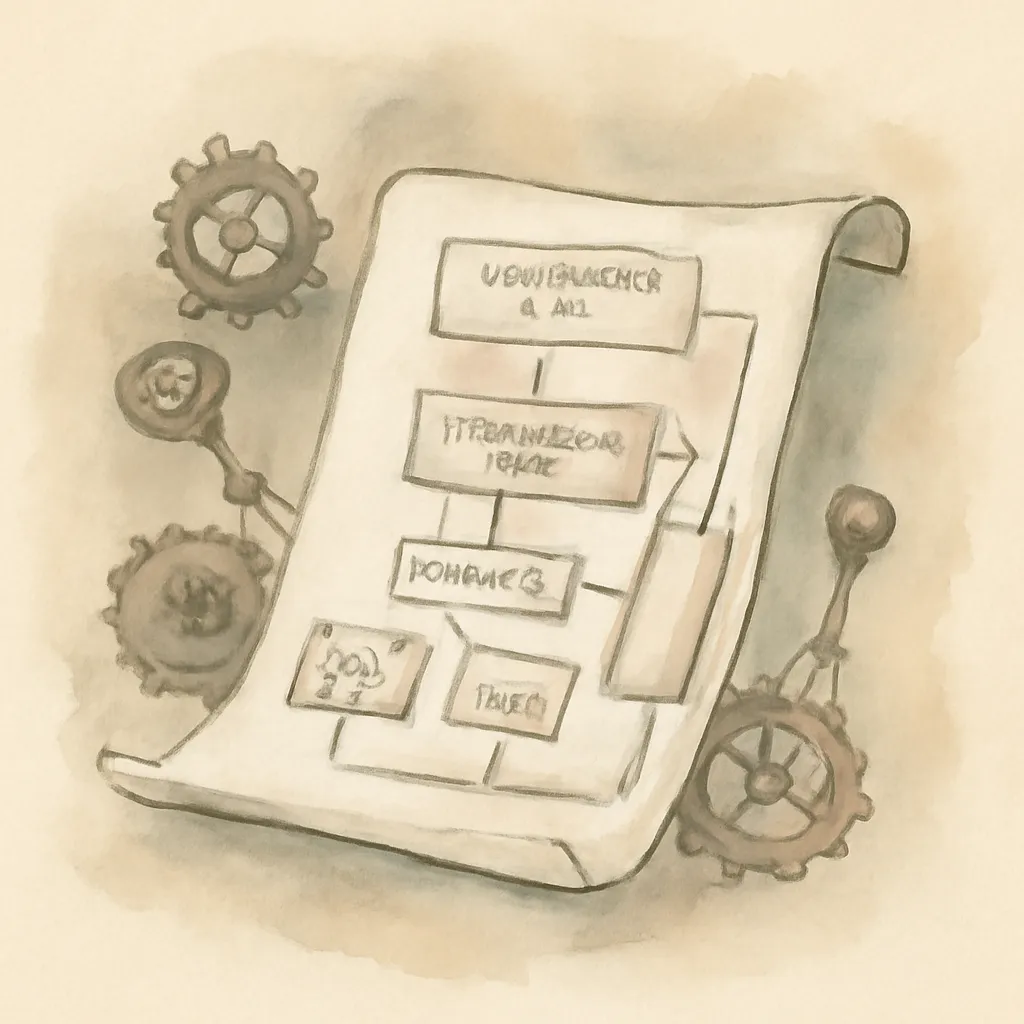
Patterson’s book excels at demonstrating the interplay between hardware design and software execution. It emphasizes that understanding a computer’s organization—how its parts are structured and interact—is crucial for writing efficient software and designing better hardware. The text walks readers through how high-level code translates into hardware actions, making abstract concepts tangible and relevant.
2.Instruction Set Architecture (ISA)
A central theme is the importance of the Instruction Set Architecture, the interface between hardware and software. The book uses the MIPS architecture as a teaching tool, showing how ISAs shape everything from compiler design to processor efficiency. By dissecting real-world instruction sets, readers gain insight into why computers are built the way they are and how these choices impact performance and compatibility.
3.Pipelining and Performance
Patterson introduces pipelining—a technique that allows overlapping execution of instructions to boost performance. The book carefully explains how pipelining works, its challenges (like hazards and stalls), and why it’s foundational to modern CPUs. Readers learn not just the mechanics, but also the trade-offs and design decisions behind high-speed computing.
4.Memory Hierarchies
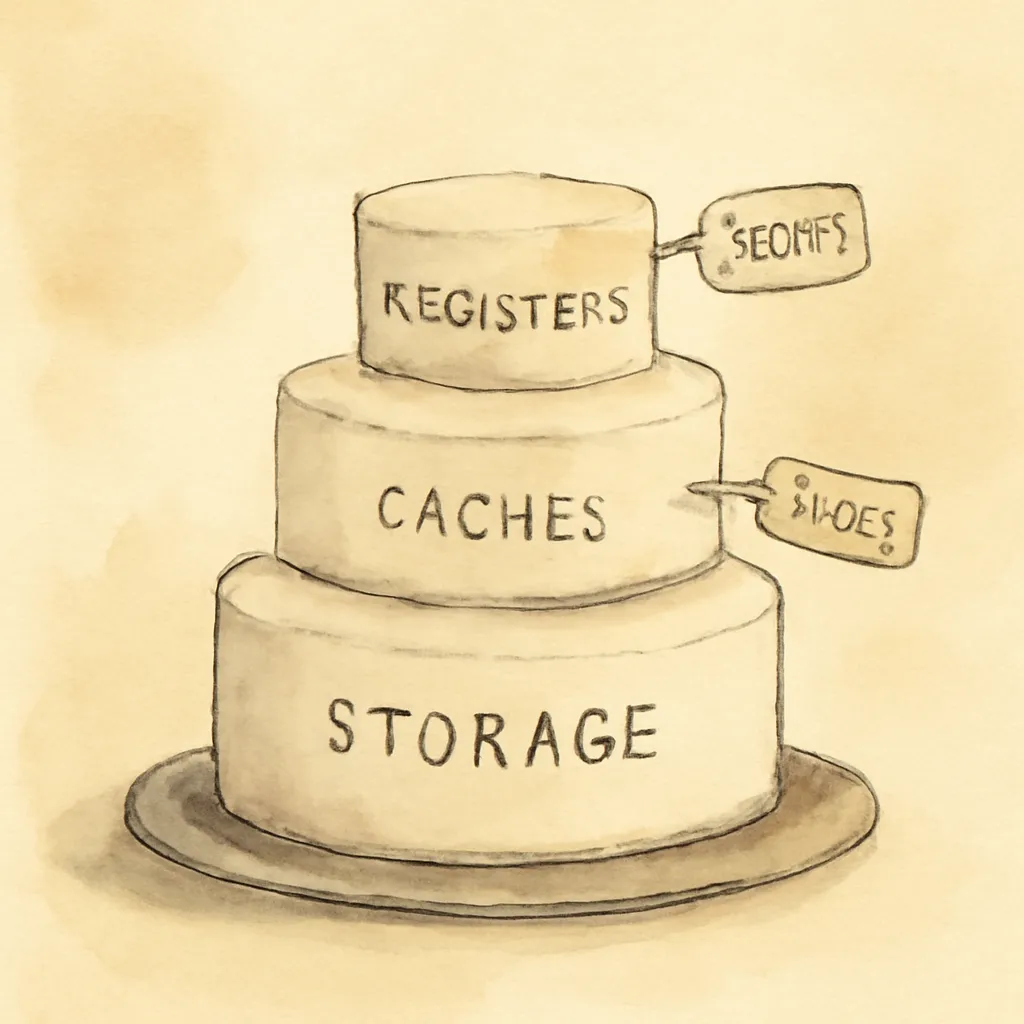
The book breaks down the complexities of memory systems, from registers and caches to main memory and storage. Patterson explains why memory hierarchies exist, how they affect speed and cost, and what strategies designers use to balance these factors. This section is crucial for understanding bottlenecks in computing and how to mitigate them.
5.Input/Output and Storage
Beyond the CPU and memory, Patterson covers the often-overlooked world of input/output (I/O) and storage systems. He shows how I/O devices interact with the processor, the challenges of interfacing diverse hardware, and the importance of bandwidth and latency. This gives readers a holistic view of the computer as an interconnected system.
6.Real-World Relevance and Design Trade-offs
Throughout, the book stresses the practical implications of design choices. Patterson uses real-world examples and quantitative analysis to illuminate why certain architectures succeed or fail. Readers come away with a toolkit for evaluating and making informed decisions in both hardware and software contexts.