1.The Connectome: The Brain’s Wiring Diagram
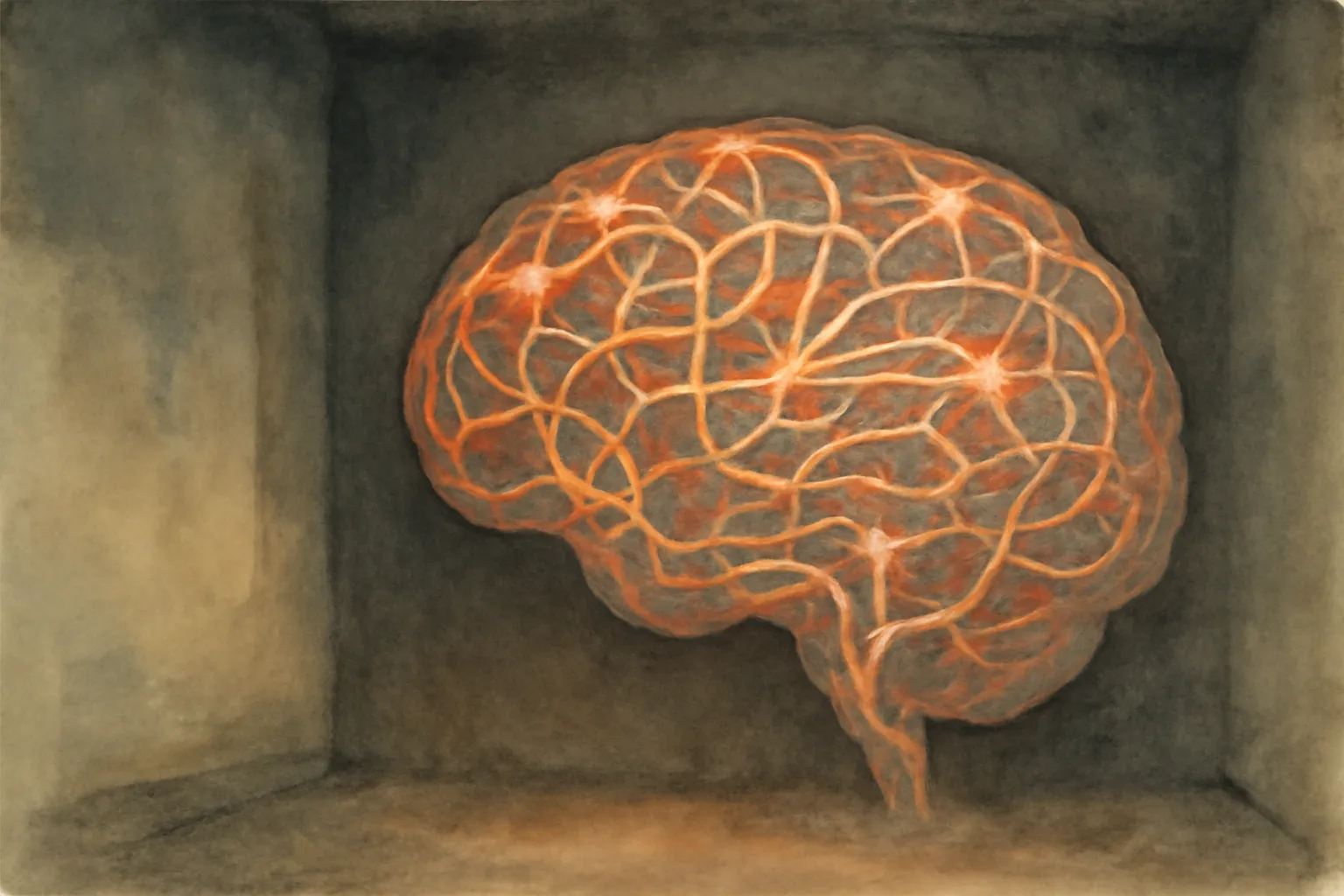
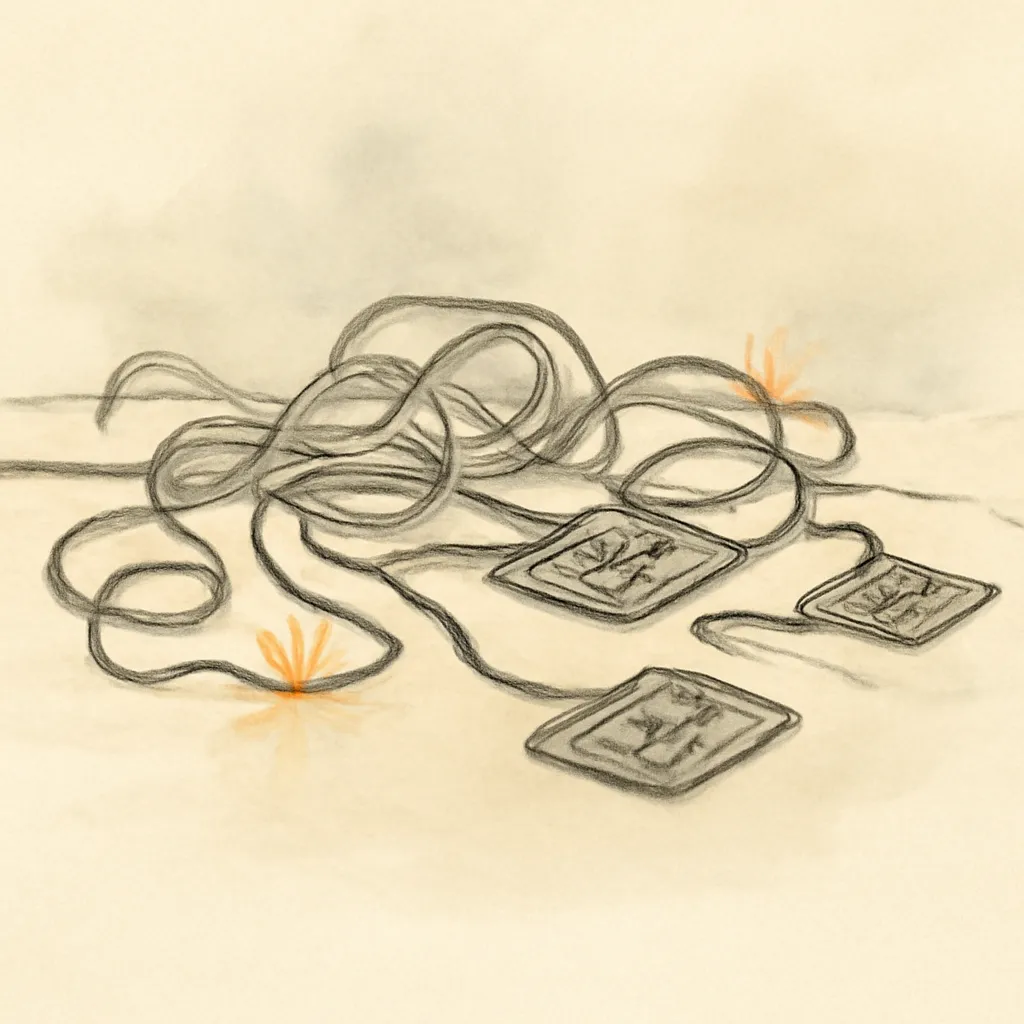
Seung introduces the concept of the connectome, the complete map of neural connections in the brain. Unlike the genome, which is relatively static, the connectome is dynamic and changes with experience. This wiring diagram is so complex that even mapping the connections in a cubic millimeter of brain tissue is an immense challenge. The connectome underlies everything from perception to personality, suggesting that who we are is encoded not just in our genes, but in the ever-changing links between our neurons.
2.Nature, Nurture, and Neural Connections
The book challenges the traditional nature-versus-nurture debate by showing how both genes and experience shape the connectome. Genes lay down the basic structure, but life experiences continually rewire connections. This means that learning, memory, trauma, and healing are all processes of physical change in the brain’s wiring, making the connectome a living record of our personal history.
3.Mapping the Mind: Technological Frontiers
Seung details the technological and computational advances driving connectomics, from high-resolution electron microscopy to artificial intelligence algorithms that trace neural pathways. He candidly addresses the scale of the challenge—mapping a human connectome is a massive undertaking—but argues that even partial maps can yield insights into brain function and dysfunction.
4.Implications for Mental Health and Identity
If mental illnesses are rooted in faulty wiring, then understanding and potentially repairing the connectome could revolutionize psychiatry. Seung speculates on future therapies that might target specific connections rather than just brain chemistry. The book also raises profound questions about identity, free will, and the possibility of uploading or copying minds, since the connectome may be the true seat of individuality.
5.The Promise and Limits of Connectomics
While optimistic about the field’s potential, Seung is careful to acknowledge its limits. Mapping the connectome is only the first step; understanding how patterns of connections give rise to thought and behavior is an even greater challenge. He calls for interdisciplinary collaboration and public engagement, emphasizing that the journey to understand the connectome is as important as the destination.
6.Citizen Science and the Democratization of Neuroscience
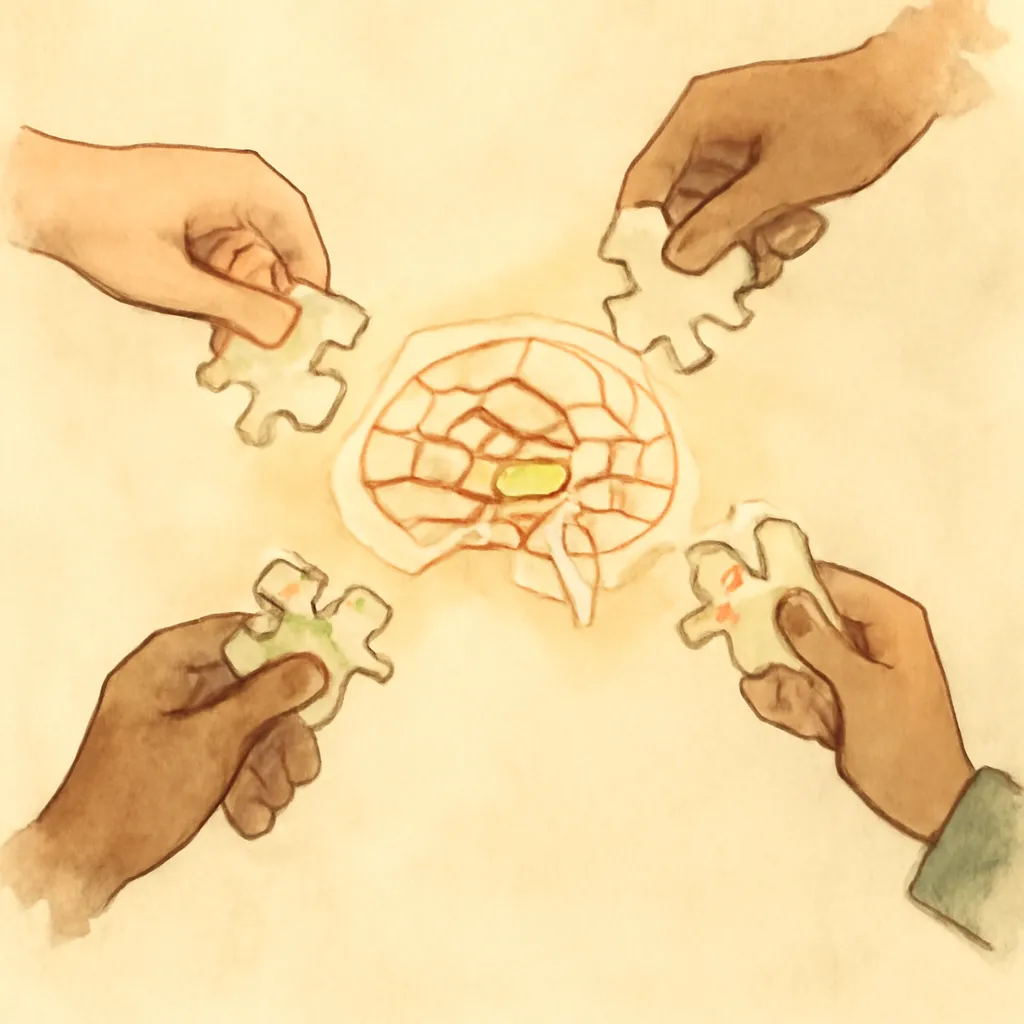
Connectome highlights the role of citizen science, notably through projects like EyeWire, which enlist the public to help map neural circuits. This approach not only accelerates research but also makes neuroscience accessible and participatory, fostering a broader appreciation for the complexity and beauty of the brain.