1.The Enigma of Consciousness
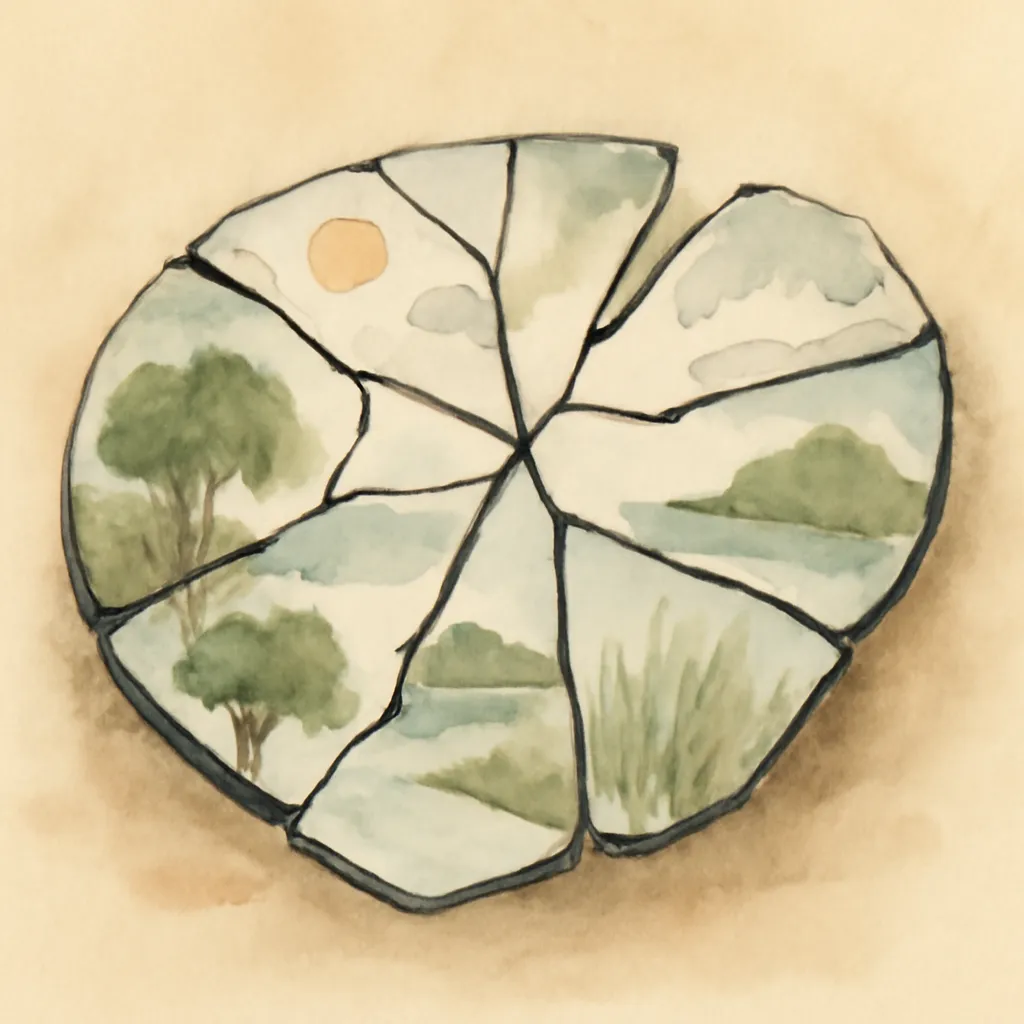
Harris frames consciousness as one of the most perplexing phenomena in existence: we know what it feels like to be aware, but we have no clear scientific explanation for how subjective experience arises from physical processes. She highlights the 'hard problem' of consciousness, emphasizing that our inability to explain why and how matter gives rise to experience remains a central mystery.
2.Limits of Subjective Experience
The book explores how our own consciousness is the only one we can know directly, making it difficult to determine if other beings—animals, machines, or even the universe itself—are conscious. Harris encourages readers to question their intuitions about what entities are conscious and to consider that our perspective may be deeply limited.
3.Consciousness as a Spectrum
Rather than seeing consciousness as an all-or-nothing property, Harris introduces the idea that consciousness might exist on a spectrum. This opens up the possibility that many forms of life, and perhaps even non-living systems, possess some degree of awareness, challenging the traditional human-centered view.
4.Panpsychism and Its Implications
Harris presents panpsychism—the idea that consciousness could be a fundamental feature of all matter—as a serious philosophical contender. While not advocating for it outright, she explains why some scientists and philosophers take it seriously, and how it might help address the hard problem by suggesting consciousness is not produced by complexity alone.
5.The Illusion of Self
Drawing from neuroscience and meditation, Harris discusses how the sense of a unified, continuous self may be an illusion. She invites readers to consider that what we call 'self' is a construct of the brain, and that consciousness might persist even in the absence of this narrative identity.
6.AI and the Future of Consciousness
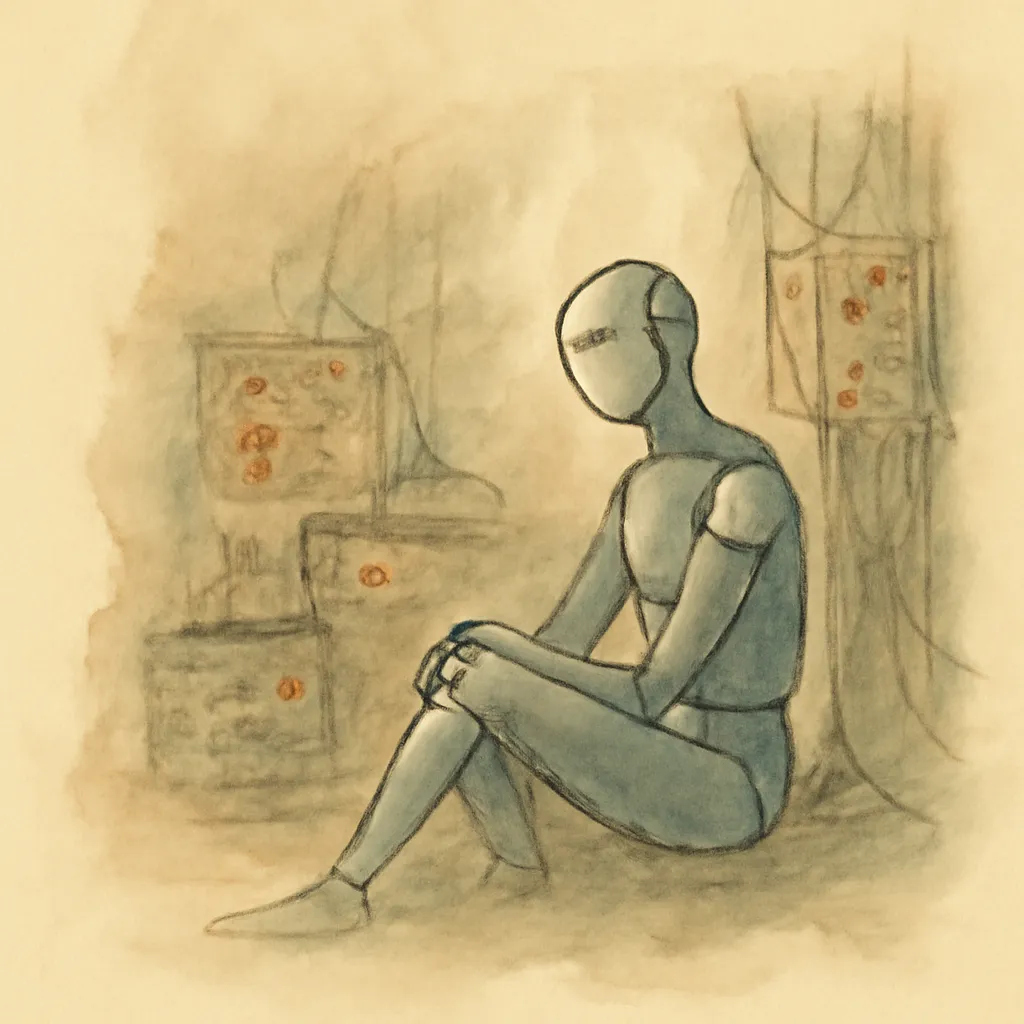
With the rise of artificial intelligence, Harris asks whether machines could ever be conscious, and how we might recognize or test for machine awareness. This leads to broader questions about what criteria we use to ascribe consciousness, and whether our current definitions are sufficient.