1.The 'Cartesian Theater' is a Myth
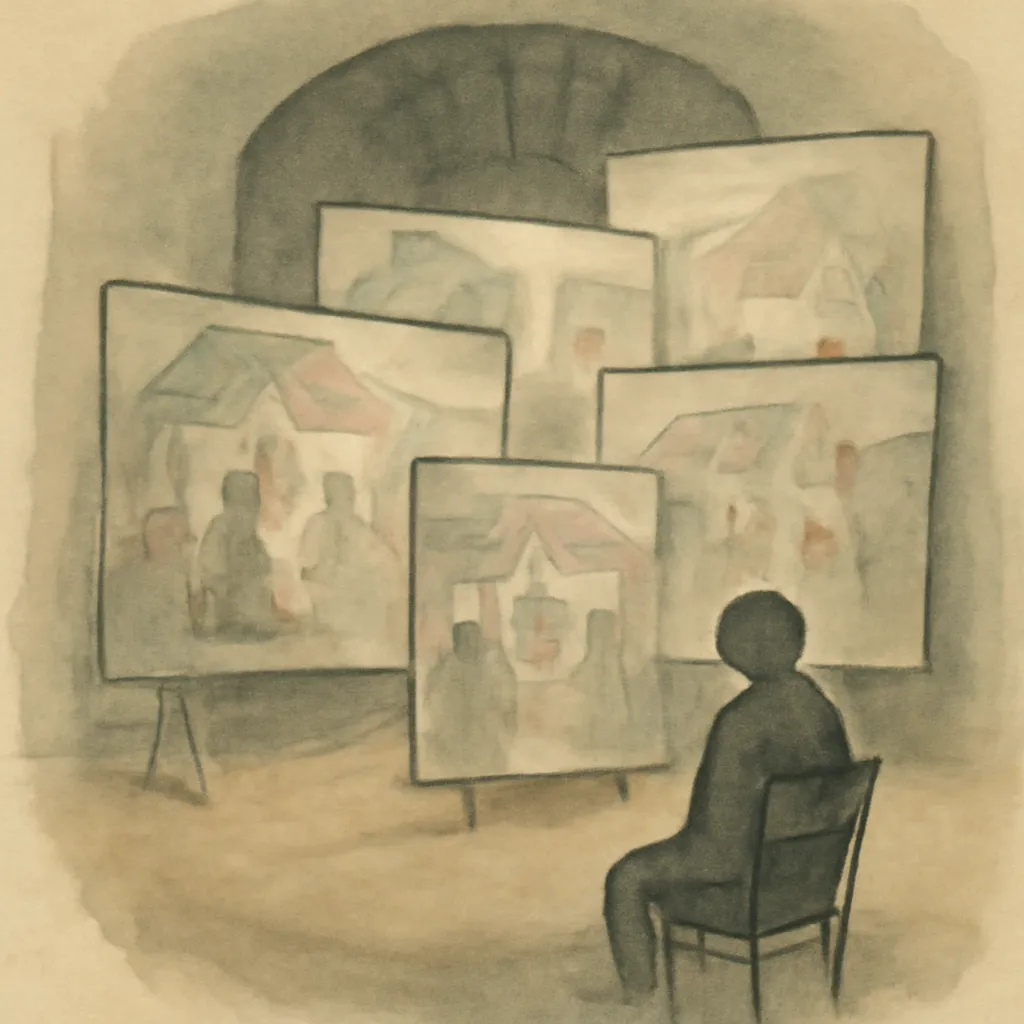
Dennett argues against the enduring idea that there is a central place in the brain—a 'Cartesian Theater'—where all sensory data comes together for a single, unified observer (the 'self') to experience. He claims this is a misleading metaphor rooted in Descartes’ dualism, and that it doesn’t align with what neuroscience reveals about the brain’s distributed processes. Instead, consciousness is not something that happens at a single point, but is the result of many parallel, interacting processes.
2.Multiple Drafts Model
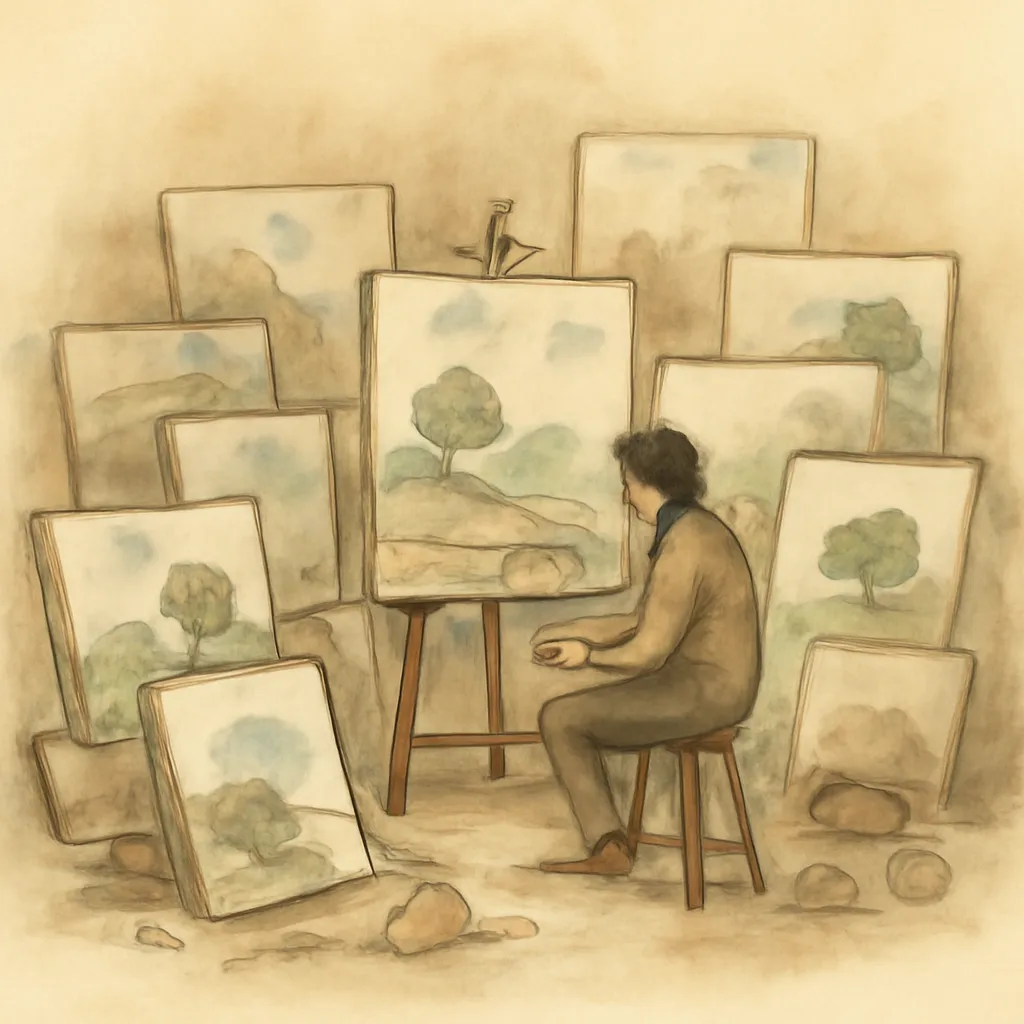
Dennett introduces the 'Multiple Drafts' model, which proposes that the brain is constantly generating partial, revisable narratives about what’s happening, both internally and externally. There is no single, definitive version of experience; instead, various interpretations are constructed and revised in different parts of the brain, with no central 'editor.' What we call consciousness is the sum of these competing drafts, some of which get expressed in speech, memory, or action.
3.Consciousness as a Virtual Machine
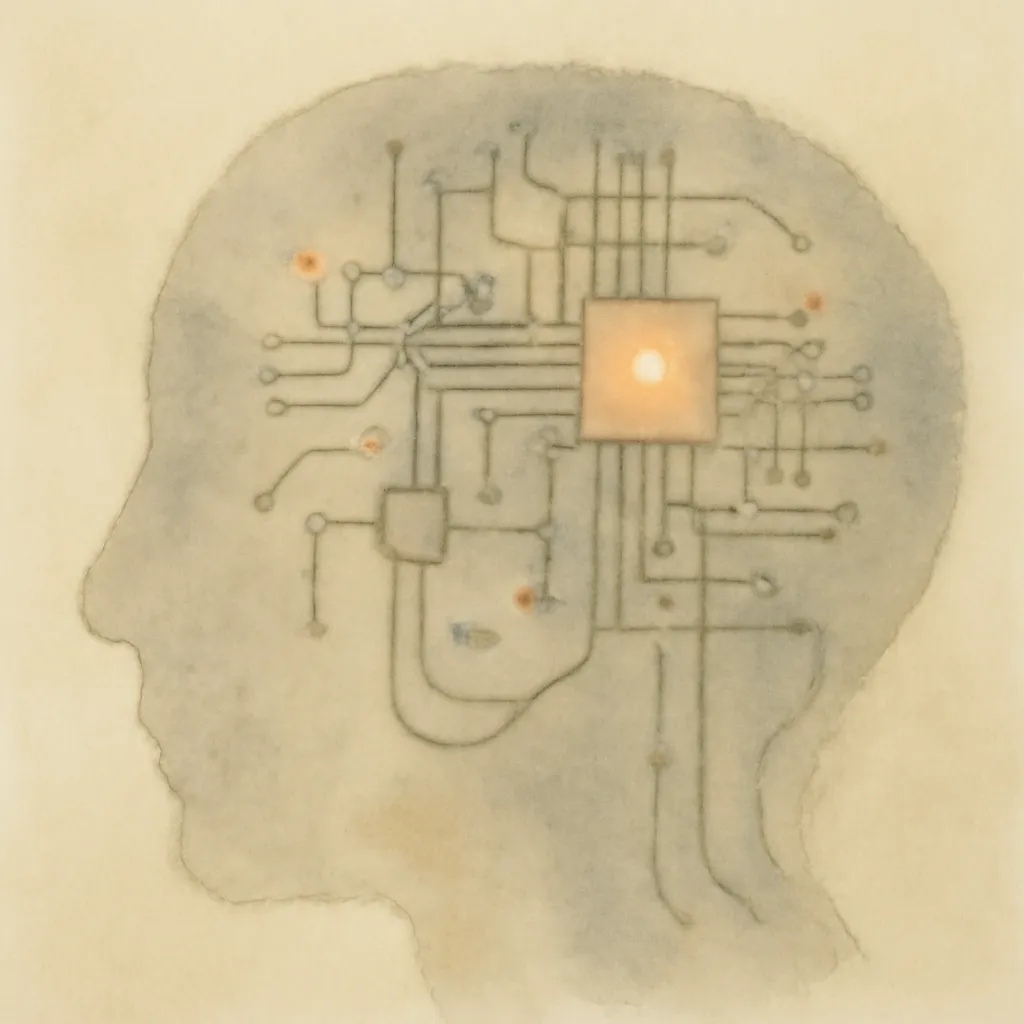
Drawing on ideas from computer science, Dennett likens consciousness to a software program running on the hardware of the brain. This 'virtual machine' is not a thing, but a set of functions and processes that emerge from the brain’s physical activity. This analogy helps explain how consciousness can exist without a central self and why it is so flexible and adaptive.
4.Introspection is Unreliable
Dennett challenges the reliability of introspection—the idea that we have privileged, direct access to our own mental states. He argues that introspection is itself a kind of narrative construction, subject to the same biases and errors as our perceptions of the external world. This has major implications for philosophy and psychology, undermining the idea that subjective experience is always trustworthy.
5.The Evolution of Consciousness
Dennett situates consciousness within an evolutionary framework, arguing that it is not a mysterious, all-or-nothing property, but a set of cognitive abilities that evolved gradually. He explores how features like self-awareness, language, and social cognition could have been selected for, and how consciousness in humans is continuous with simpler forms of awareness in other animals.
6.The Self as a Center of Narrative Gravity
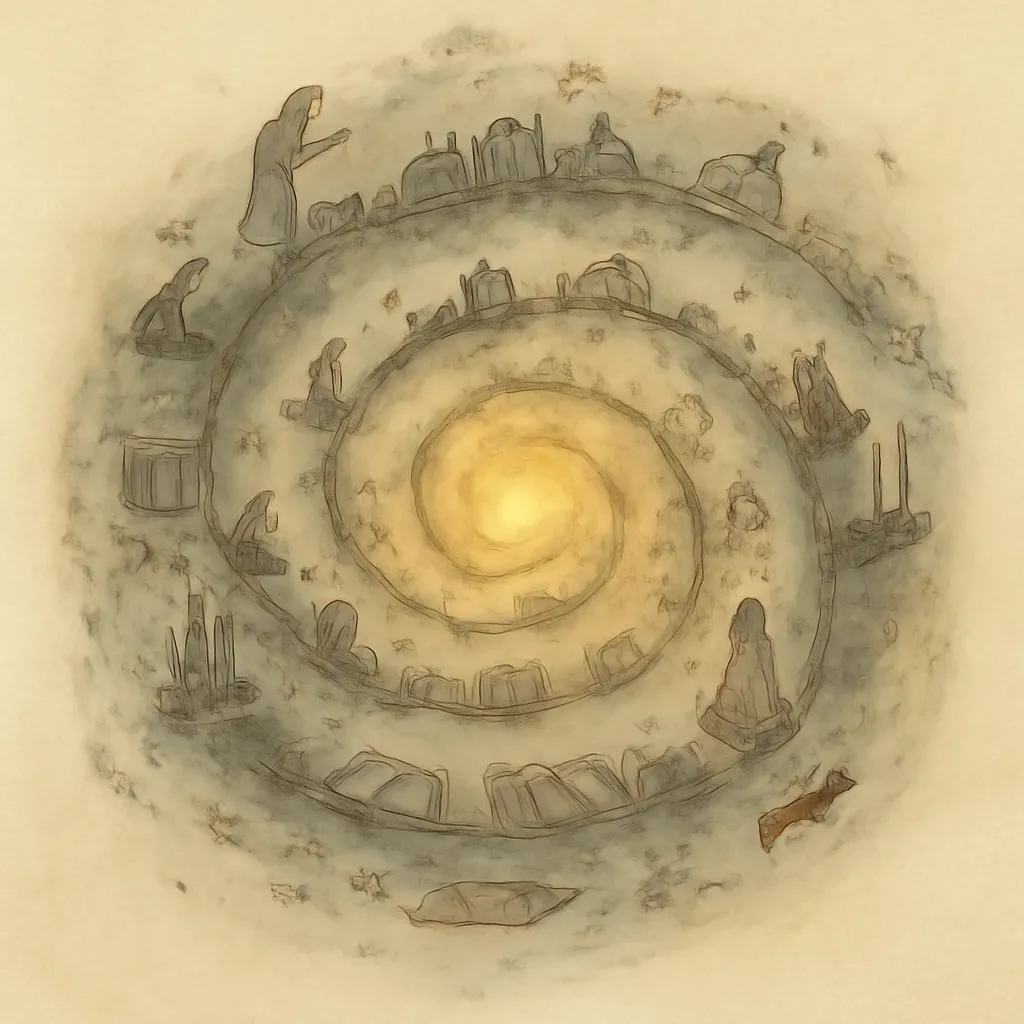
Dennett suggests that the 'self' is not a physical thing or a soul, but a useful abstraction—a 'center of narrative gravity.' Our sense of being a continuous, unified person is the result of the stories we tell about ourselves, which help us make sense of our experiences and actions. This view dissolves many philosophical puzzles about personal identity.