1.The Allure and Danger of Escapism
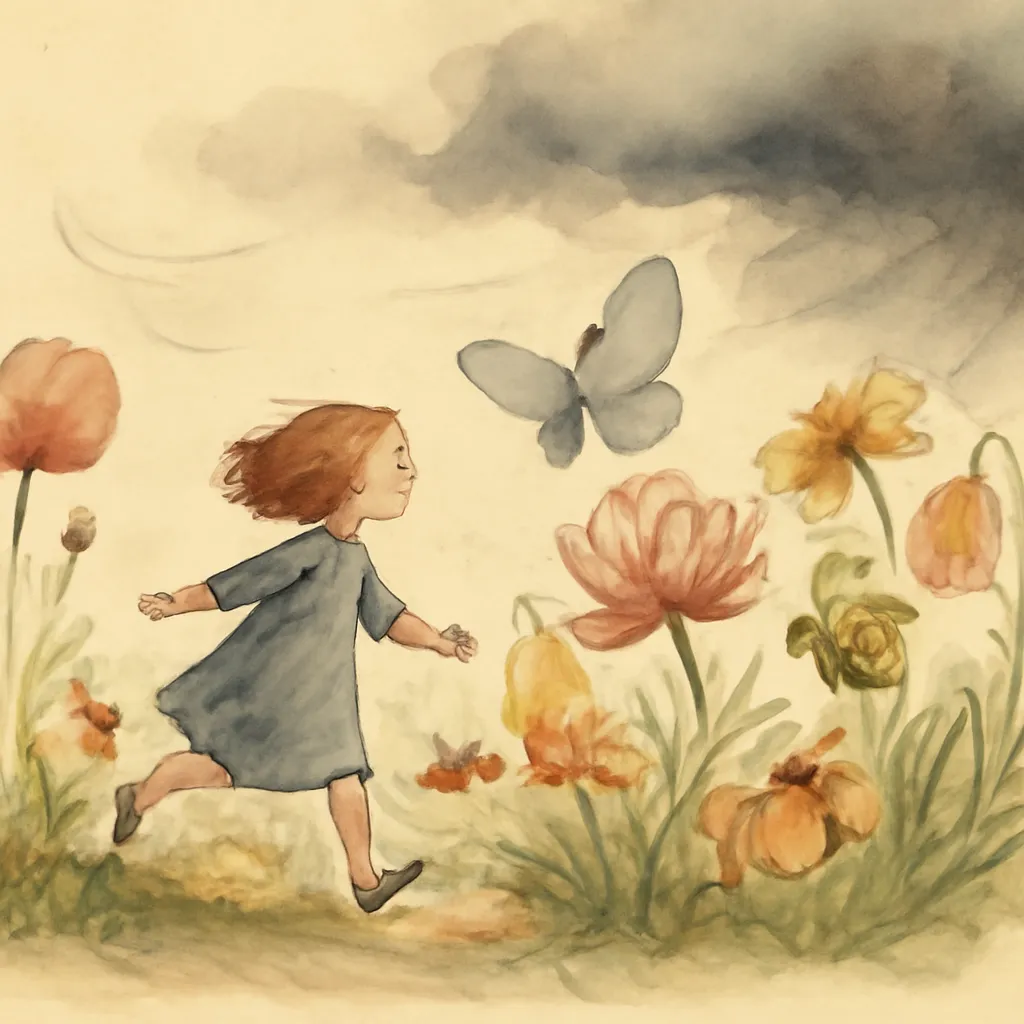
Coraline's discovery of the 'other' world, which at first seems more vibrant and attentive than her own, explores the seductive pull of escapism. The alternate reality promises everything Coraline thinks she wants—attention, excitement, and indulgence—but at a sinister cost. Gaiman uses this contrast to warn against the temptation to retreat into fantasy when reality feels lacking, suggesting that what appears perfect may hide real dangers. The book encourages readers to appreciate the imperfections of real life and to be wary of illusions that seem too good to be true.
2.Courage in the Face of Fear
At its heart, Coraline is a story about bravery. The protagonist must confront terrifying and unknown threats, from the eerie 'other mother' to the possibility of being trapped forever. Coraline's courage is not the absence of fear, but her determination to act despite it. The narrative emphasizes that true bravery is choosing to do the right thing even when afraid, making this a powerful coming-of-age tale for young readers and adults alike.
3.Identity and Independence
Coraline's journey is also about asserting her own identity. In both worlds, she feels overlooked and misunderstood, but through her trials, she learns to trust her instincts and make her own choices. The 'other mother' seeks to possess and change her, symbolizing pressures to conform or surrender autonomy. Coraline's resistance and resourcefulness underscore the importance of self-determination and the value of being oneself, even when it's difficult.
4.The Power of Perception
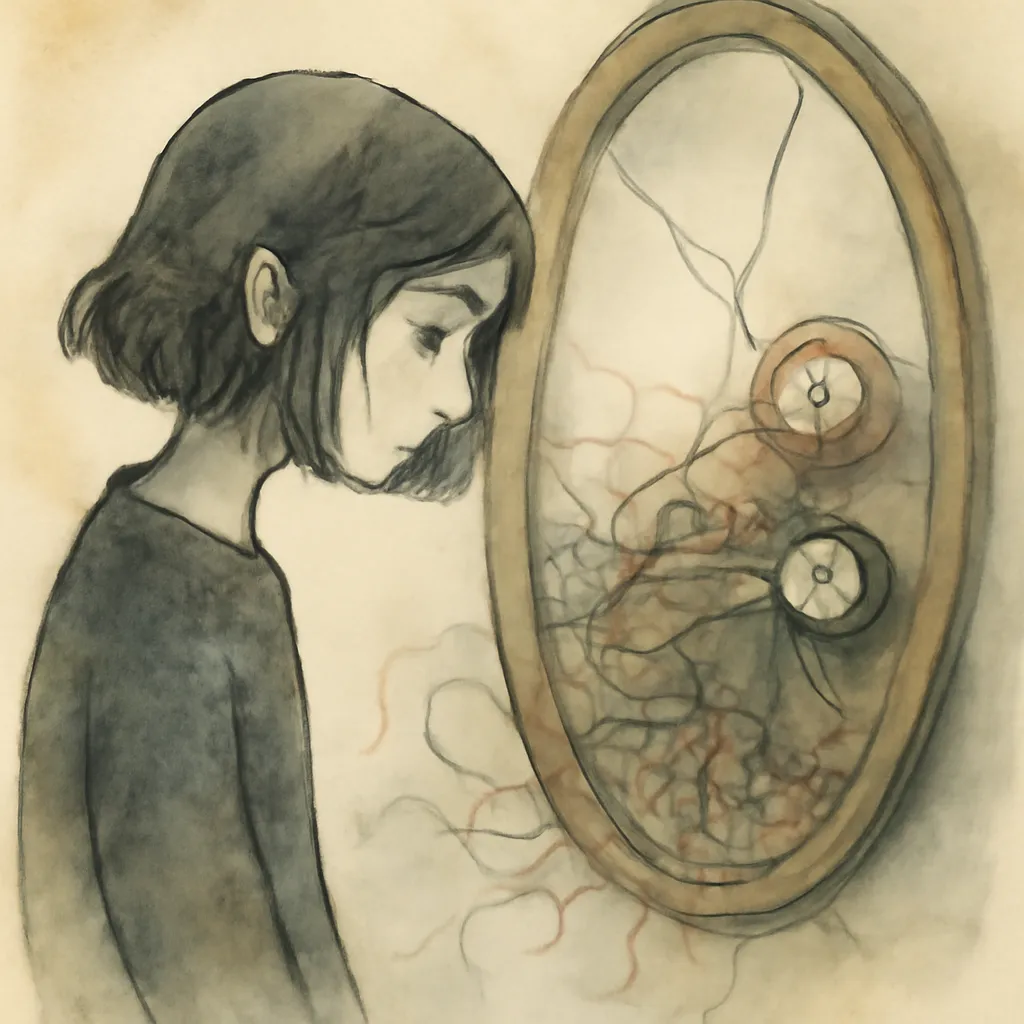
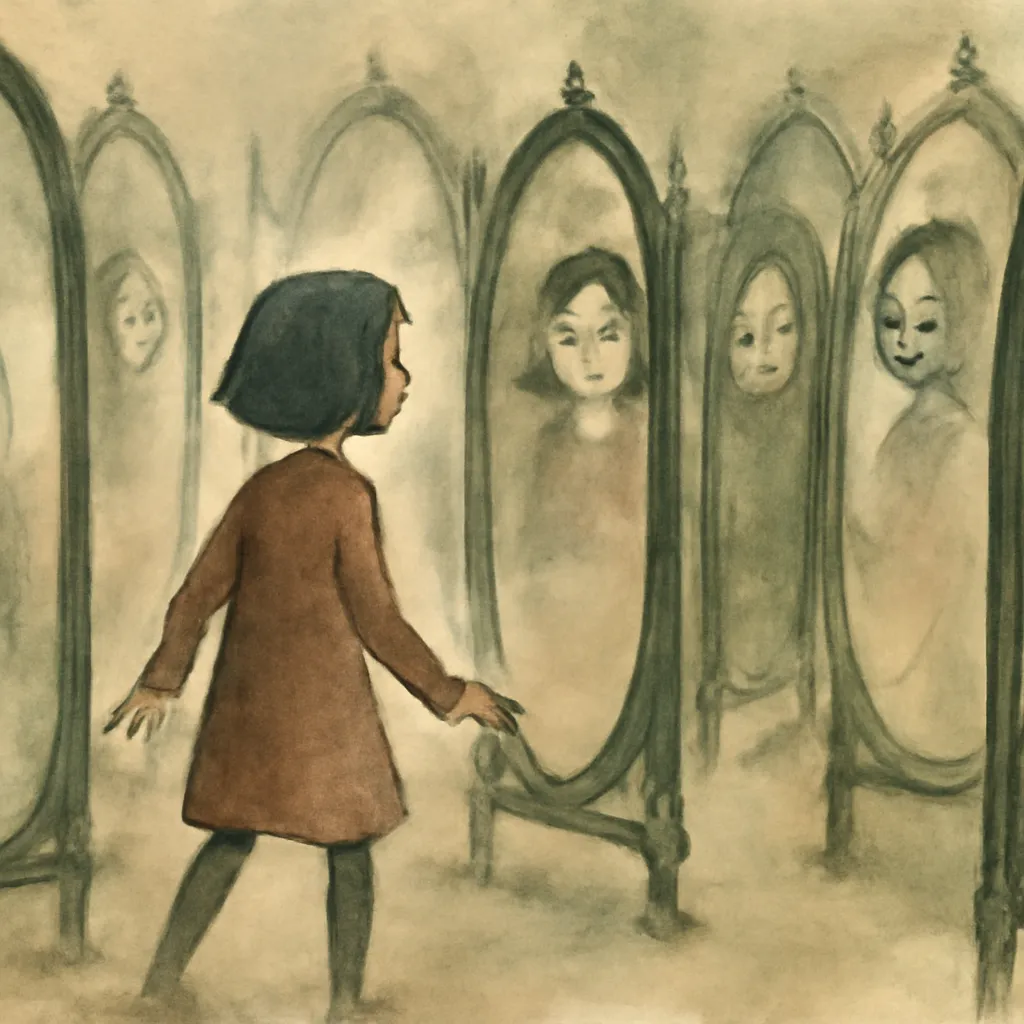
Throughout the book, Coraline must look beyond appearances to discern truth from deception. The other world is a distorted mirror of her own, and its inhabitants are unsettlingly familiar yet fundamentally wrong. This theme challenges readers to question what they see and to recognize that reality is often more complex than it appears. Gaiman subtly suggests that critical thinking and intuition are essential tools for navigating both fantasy and real life.
5.Family, Attention, and Love
Coraline's initial dissatisfaction with her parents' distracted behavior is a relatable aspect of childhood. Yet, her ordeal in the other world helps her appreciate the genuine, if imperfect, love of her real parents. The story contrasts superficial affection with authentic connection, highlighting that true love involves freedom, respect, and sometimes, being left to one's own devices. This nuanced portrayal encourages empathy for both children and parents.