1.The Cosmic Perspective
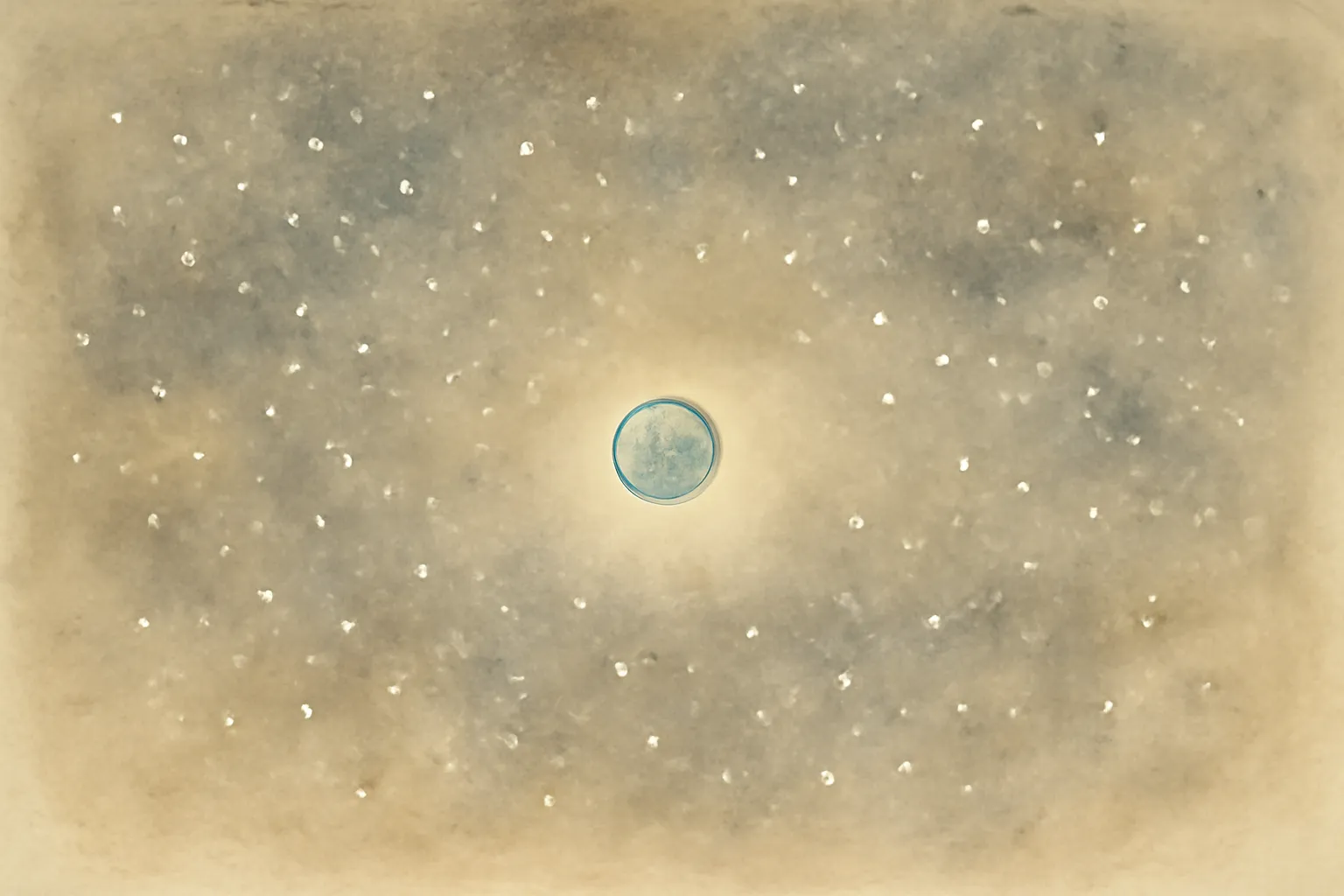
Sagan urges readers to adopt a 'cosmic perspective'—to see Earth as a tiny, fragile world in the vastness of space. This viewpoint fosters humility, awe, and a sense of unity among humans, while challenging parochialism and arrogance. By situating human history within billions of years of cosmic evolution, Sagan demonstrates both our insignificance and our unique capacity for understanding. The cosmic perspective is not just scientific; it’s ethical, encouraging stewardship of our planet and empathy for one another.
2.Science as a Candle in the Dark
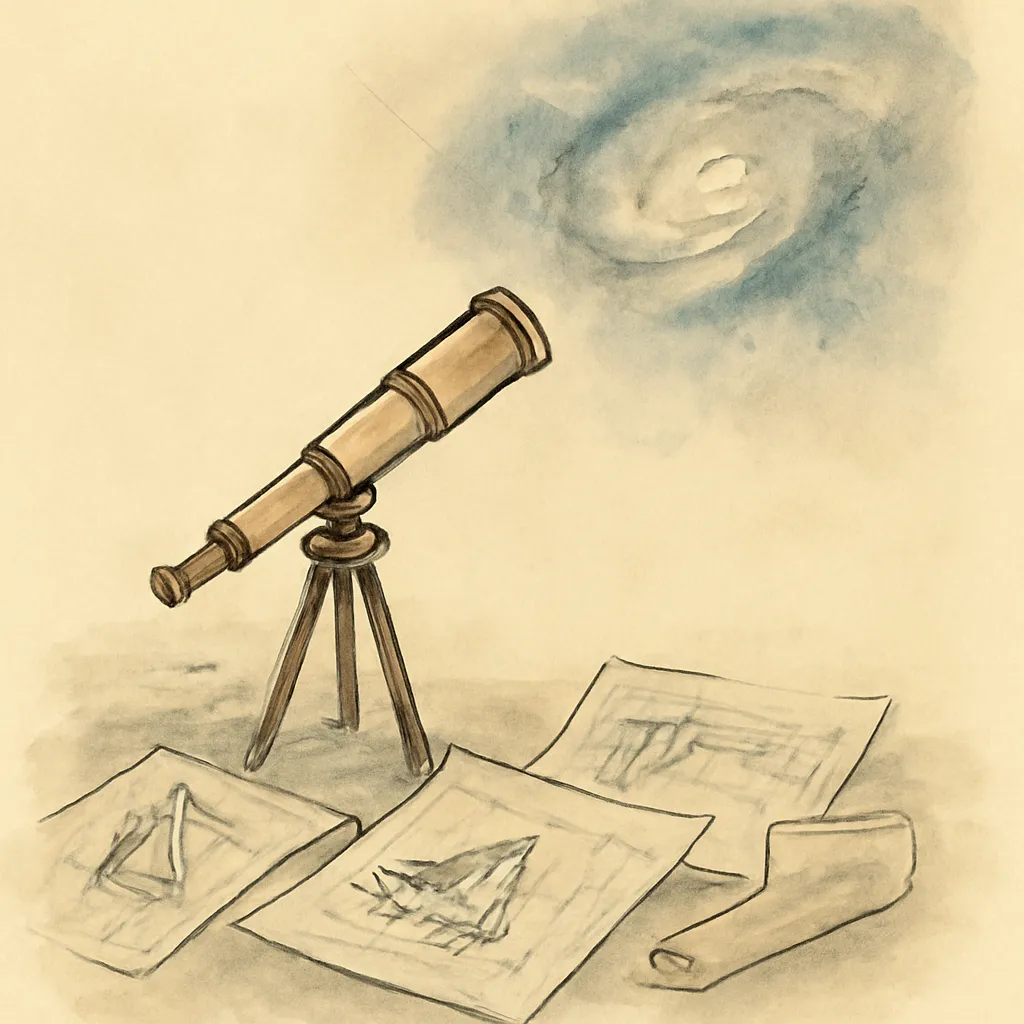
Throughout Cosmos, Sagan champions science as humanity’s most reliable tool for discovering truth and dispelling superstition. He traces the development of scientific thought from ancient civilizations to the modern era, highlighting how skepticism, evidence, and imagination fuel progress. Sagan warns of the dangers of ignorance and pseudoscience, arguing that scientific literacy is essential for democracy and survival. Science, for Sagan, is not cold or detached—it is a profoundly human endeavor, filled with wonder and hope.
3.The Interconnectedness of Life and the Universe
Sagan explores the deep connections between the cosmos and life on Earth. He explains how the elements in our bodies were forged in stars, and how the laws of physics and chemistry shape biology. By tracing the origin of life and the evolution of intelligence, Sagan shows that we are literally made of 'star stuff.' This realization links us to the universe on a fundamental level, making our search for meaning and companionship—such as the search for extraterrestrial life—a natural extension of our cosmic heritage.
4.The Fragility and Preciousness of Civilization
Cosmos is a cautionary tale about the vulnerability of human civilization. Sagan reflects on the rise and fall of cultures, such as the destruction of the Library of Alexandria, to illustrate how knowledge can be lost. He warns that technological power without wisdom can threaten our survival, especially in the nuclear age. The book calls for humility, cooperation, and a commitment to preserving both our planet and our accumulated knowledge for future generations.
5.The Joy and Responsibility of Discovery
Sagan makes a passionate case for curiosity and exploration, from ancient astronomers to modern space missions. He celebrates the human drive to ask questions, solve mysteries, and reach beyond our limitations. But with discovery comes responsibility: Sagan emphasizes the need for ethical reflection, global cooperation, and the wise use of technology. Our ability to explore the cosmos, he argues, is both a triumph and a test of our maturity as a species.
6.The Possibility of Life Beyond Earth
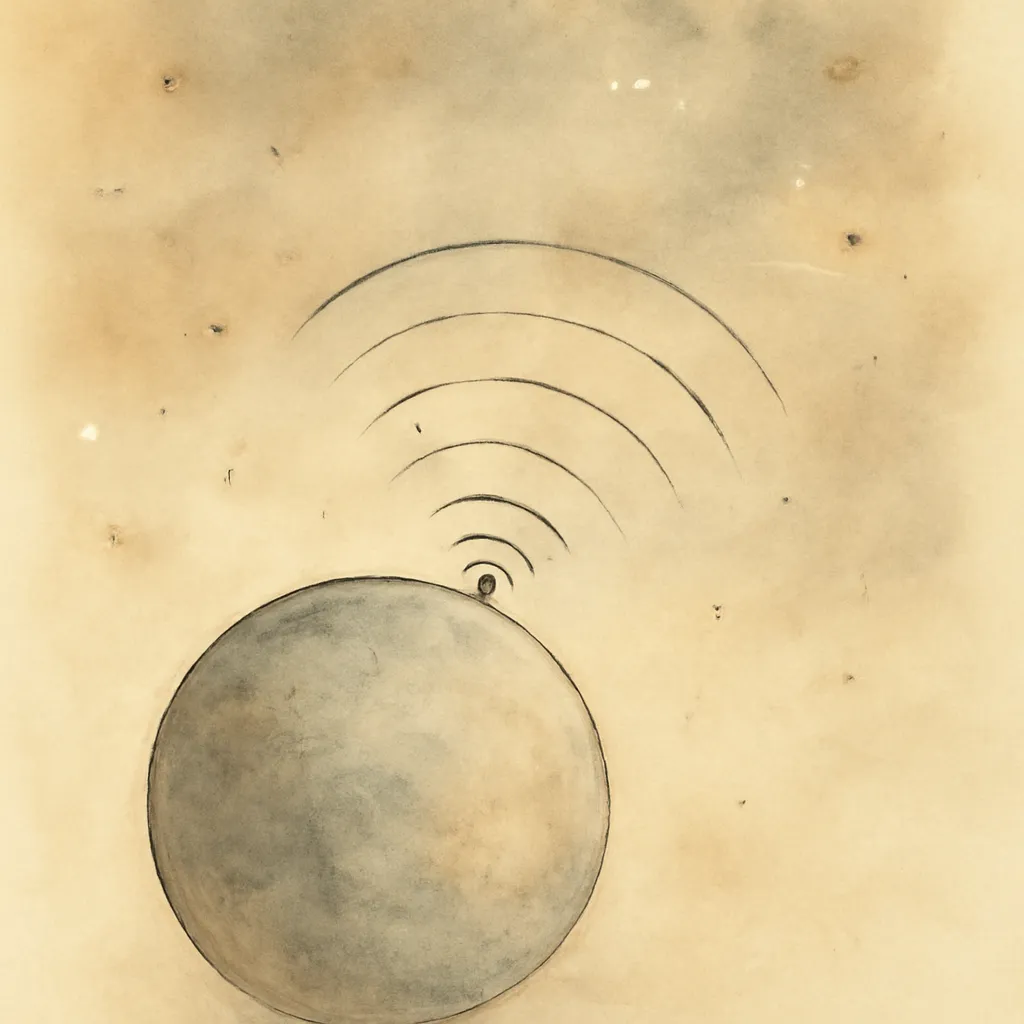
A recurring theme is the question of whether we are alone. Sagan discusses the scientific search for extraterrestrial intelligence, the challenges of interstellar communication, and the philosophical implications of contact. He treats the possibility of life elsewhere not as idle speculation, but as a profound scientific and existential question that could reshape our understanding of ourselves and our place in the universe.