1.Cultural Materialism: The Power of Material Conditions
At the heart of Harris’s analysis is the theory of cultural materialism—the idea that material realities (like environment, economy, and technology) shape cultural beliefs and behaviors far more than abstract ideas or psychological quirks. Harris argues that what might seem irrational or superstitious often makes practical sense when viewed through the lens of survival, resource management, and social organization.
2.The Sacred Cow: Rational Roots of Religious Taboos
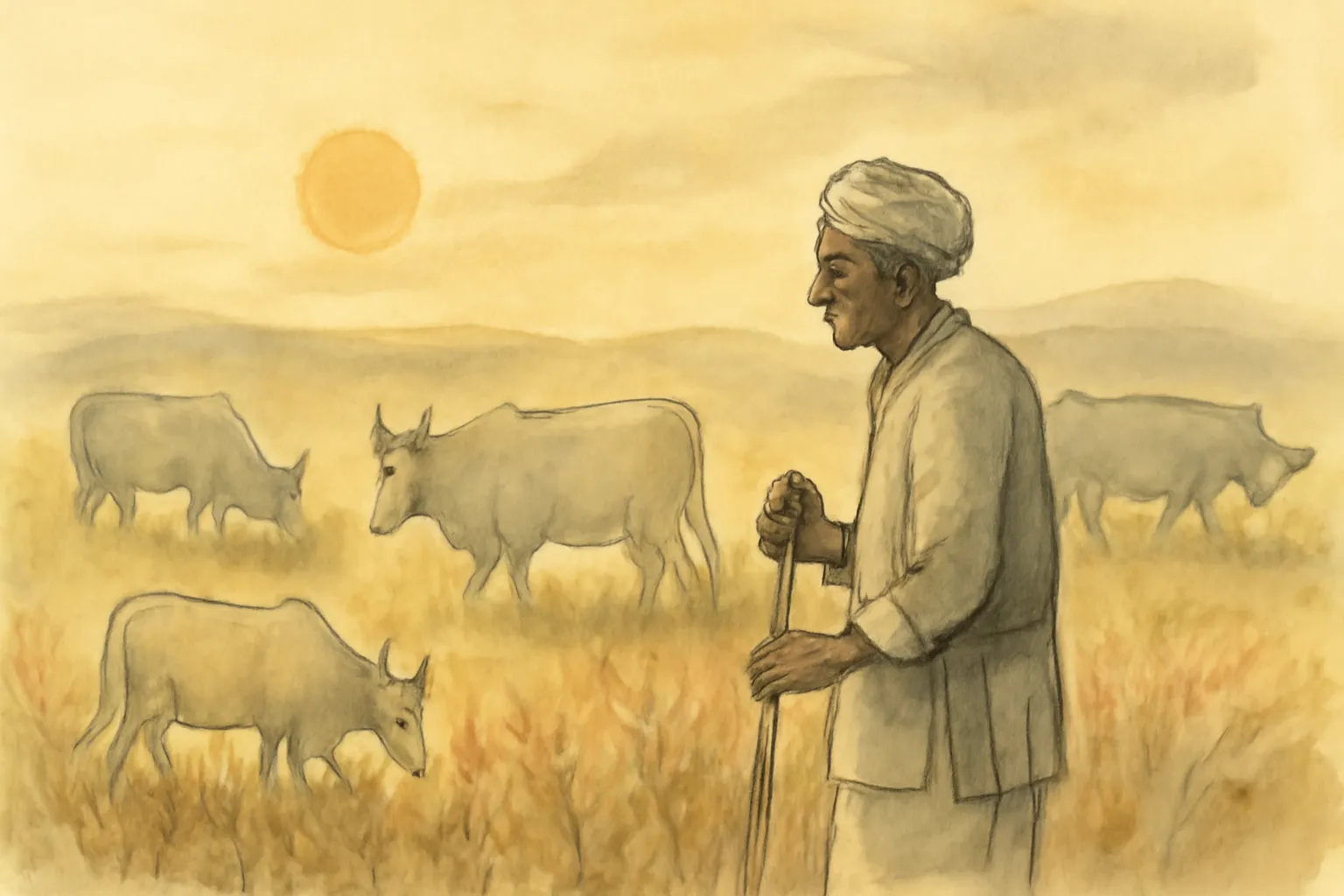
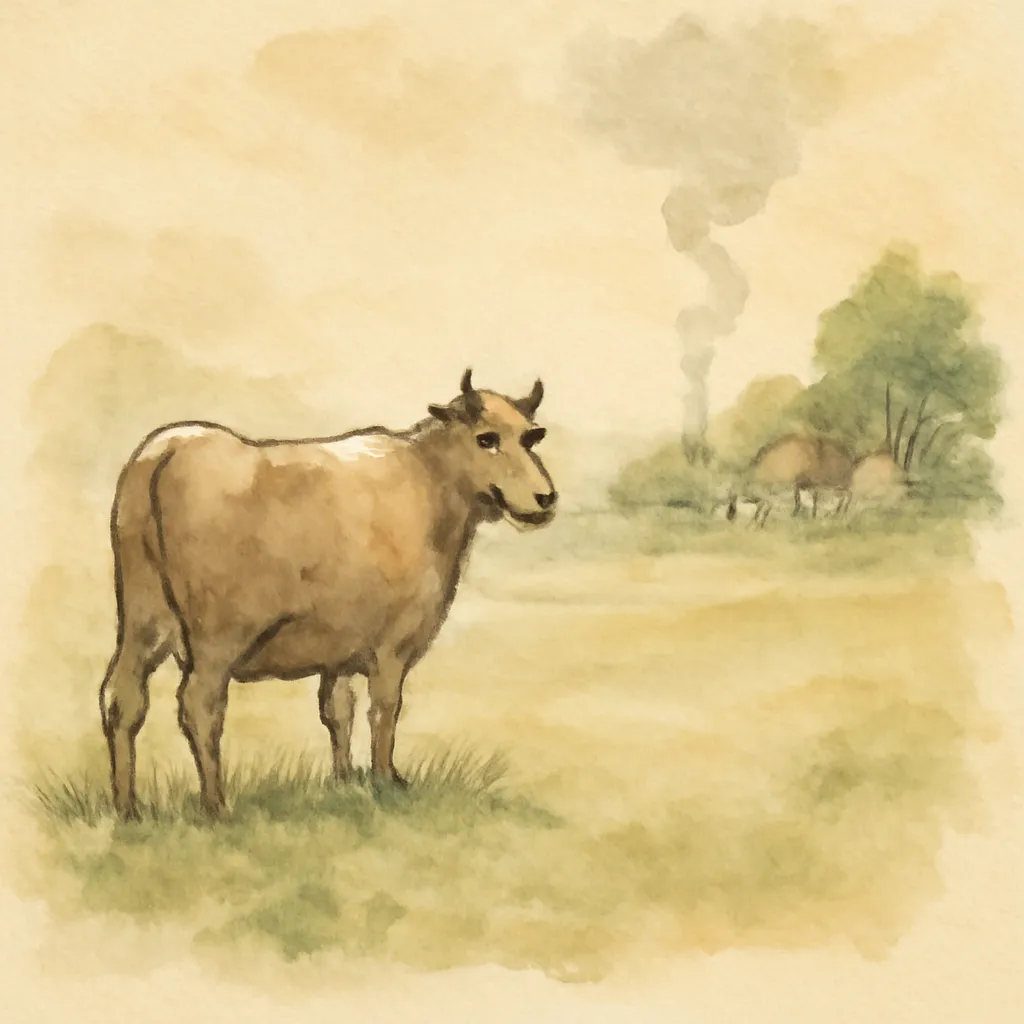
Why do Hindus venerate cows, even in the face of hunger? Harris contends that what outsiders see as religious irrationality is actually a rational adaptation. In India, cows are more valuable alive (for milk, dung, and draft power) than dead. The taboo against eating beef ensures the survival of a vital resource, showing how religious rules can serve ecological and economic functions.
3.Pig Prohibitions: Ecology and Economics Over Ideology
Harris examines why pigs are taboo in Middle Eastern religions. He suggests that pigs, unlike cows or sheep, are ecologically unsuited to arid climates and compete with humans for food. The religious prohibition against pork thus reflects practical concerns about resource scarcity and environmental adaptation, not just arbitrary religious doctrine.
4.Witch Hunts and Social Stress
The book explores the phenomenon of witch hunts, both in early modern Europe and elsewhere, as responses to social and economic stress. Harris argues that such persecutions are not simply mass delusions or outbreaks of irrationality, but serve to channel anxieties, reinforce social norms, and sometimes protect the interests of those in power.
5.Revolution and Messianic Movements
Harris analyzes the rise of revolutionary and messianic movements, such as early Christianity and millenarian cults, as products of social upheaval and deprivation. These movements, he argues, provide hope and a sense of agency for the oppressed, and their seemingly bizarre beliefs often contain coded responses to real-world injustices.
6.Critique of Counterculture Mysticism
A significant portion of the book critiques the 1960s and 70s counterculture, particularly its embrace of mysticism and rejection of rational analysis. Harris warns that turning away from material realities in favor of magical thinking or 'consciousness raising' is ultimately a dead end for meaningful social change.