1.The Amazon Society of Cranford
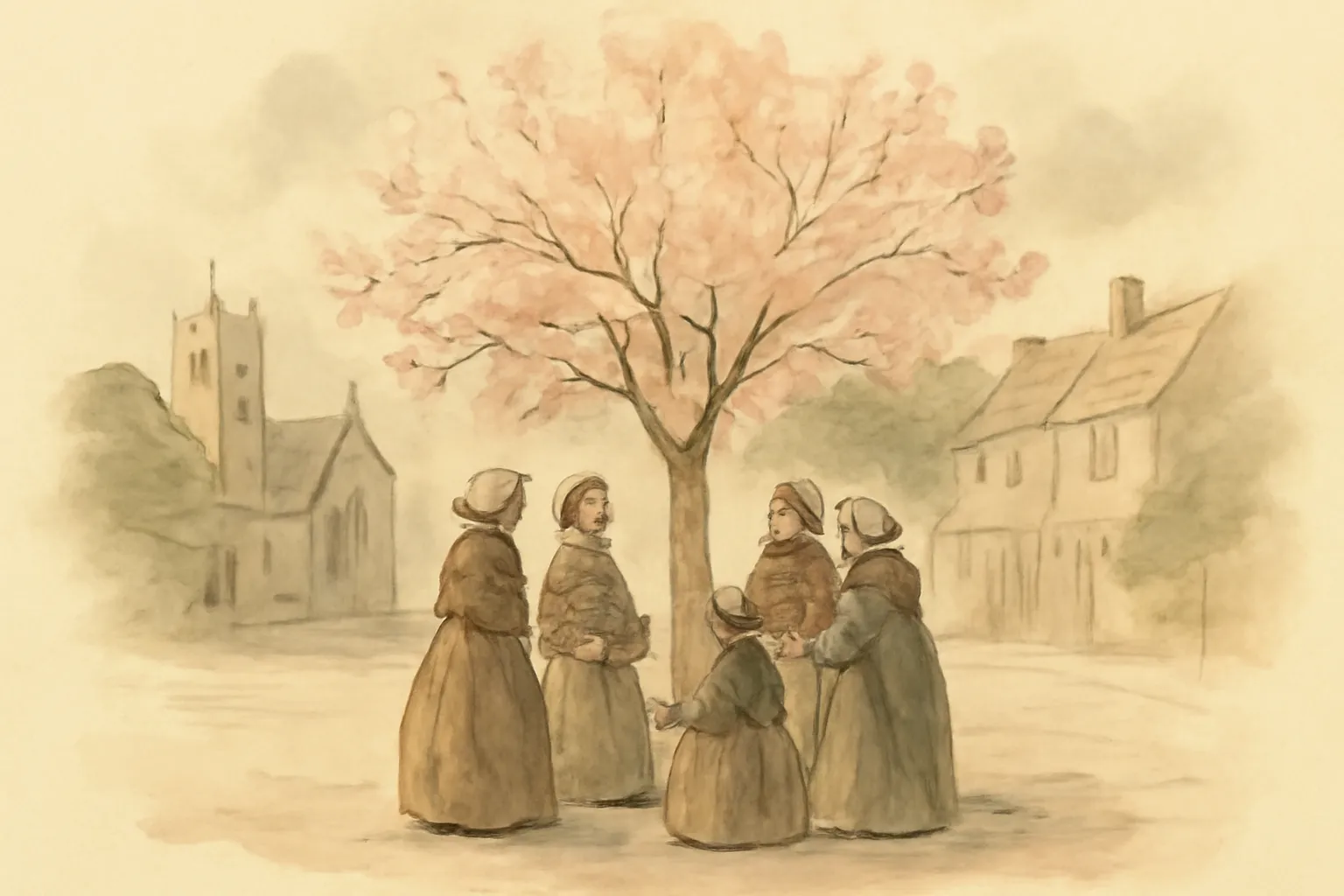
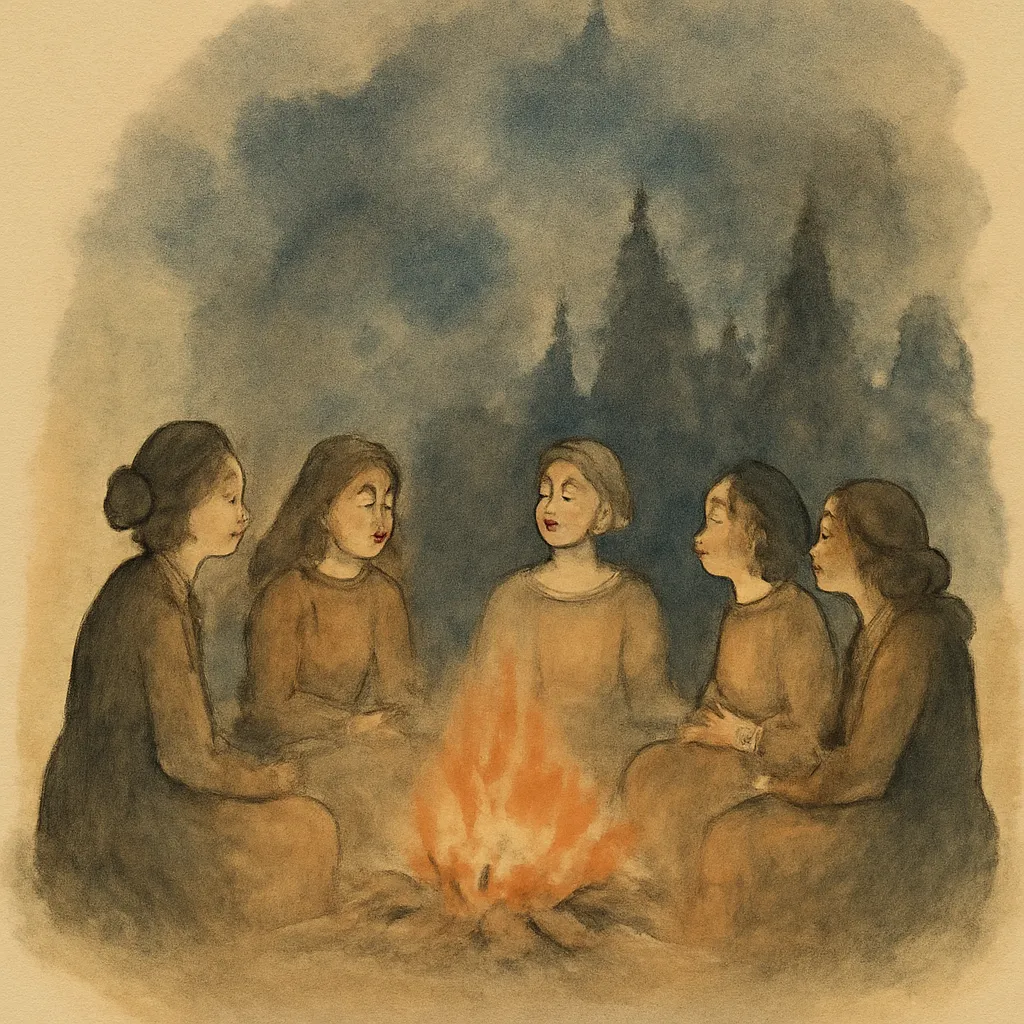
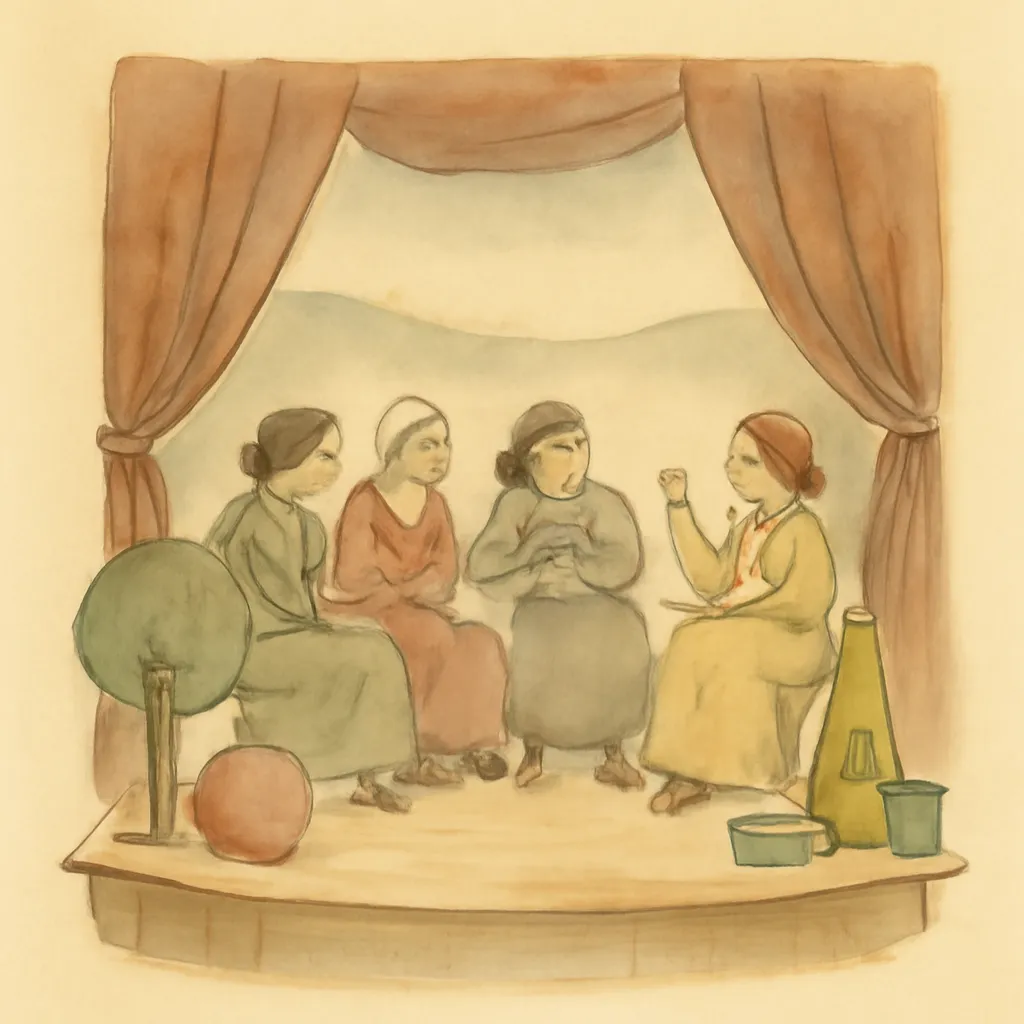
Cranford is a town where women dominate the social landscape, with all homeowners being female. This unique setting creates a distinct community where men are largely absent, either due to their roles in the military or business, or simply because they are deemed unnecessary. The women of Cranford revel in their independence, managing households, gardens, and social gatherings without the interference of men. They engage in spirited discussions, often without the need for rigorous debate, and share a collective understanding of each other's lives. Gaskell humorously highlights the ladies' quirks and eccentricities, showcasing their strong personalities and individualities. The absence of men is not a void but a canvas for the women to express themselves freely, fostering a sense of camaraderie and mutual support among them.
2.Captain Brown: A Kind Heart in a Woman's World
The character of Captain Brown serves as a bridge between the women's world and the outside one. Known for his kindness, he becomes a beloved figure in Cranford, particularly for his gentle acts of charity, such as helping an elderly woman carry her groceries. His actions, while seen as eccentric by the ladies, reveal a compassionate heart that resonates with their values. The women, initially intrigued and somewhat skeptical of his behavior, come to appreciate his genuine nature. Captain Brown's presence adds depth to the narrative, illustrating how kindness and understanding can transcend societal norms and expectations. His interactions with the women highlight the importance of empathy and community, as they bond over shared experiences and support one another in times of need.
3.Miss Matty and the Legacy of Sisterhood
Miss Matty, one of the central characters, embodies the essence of sisterhood and the impact of loss. Following the death of her sister, Miss Jenkyns, she grapples with feelings of abandonment and a profound sense of loneliness. Her interactions with the narrator reveal her vulnerability and the adjustments she must make to her life without her sister's guiding presence. As she mourns, she seeks solace in her friendships with other women, who rally around her to provide support. Miss Matty's journey showcases the resilience of women in the face of change, as she learns to redefine her identity and find joy in her community once more. This exploration of grief and recovery emphasizes the strength of female relationships and their ability to uplift one another during difficult times.
4.The Power Dynamics of Social Class
Cranford is not just a quaint village; it is also a microcosm of social class dynamics in Victorian England. The women of Cranford are acutely aware of their social standings and often engage in discussions about propriety and etiquette. Characters like Miss Pole and Mrs. Jamieson represent the upper echelons of society, while others, like Miss Matty, navigate the complexities of their changing status with grace. The novel deftly illustrates how social class impacts relationships and perceptions within the community, with characters often judging one another based on lineage and wealth. Gaskell's portrayal of these dynamics reveals the underlying tensions that exist even in seemingly harmonious settings, prompting readers to consider the broader implications of social stratification and the human desire for acceptance.
5.Eccentricities and Individuality
The women of Cranford each possess unique quirks that define their personalities and influence their interactions. From Miss Pole's obsession with the latest fashions to Miss Matty's frugality, these eccentricities add richness to the narrative and highlight the importance of individuality within the community. Gaskell celebrates these differences, portraying them as essential elements of character rather than flaws. The women often engage in humorous exchanges that showcase their distinct perspectives, allowing readers to appreciate the vibrancy of their lives. Through these portrayals, Gaskell emphasizes the idea that individuality should be embraced, as it fosters a more colorful and dynamic society. The women of Cranford exemplify how personal idiosyncrasies can enhance relationships and contribute to a deeper understanding of one another.
6.Romance and Regret: Miss Matty's Past
Miss Matty's backstory reveals a poignant tale of lost love and the passage of time. Her relationship with Mr. Holbrook, her former suitor, serves as a reminder of the choices made and the paths not taken. As she navigates her feelings about the past, readers gain insight into the societal expectations surrounding marriage and romance during her youth. The contrast between her youthful dreams and her current reality underscores the theme of regret, as Miss Matty reflects on what might have been. Gaskell delicately weaves this narrative thread through the broader tapestry of Cranford's social life, demonstrating how the past continues to shape the present. Miss Matty's experiences illustrate the complexities of love and the enduring impact of decisions made in youth, evoking empathy and understanding from readers.
7.Community and the Spirit of Togetherness
At its core, 'Cranford' celebrates the spirit of community and the bonds that unite its residents. The women come together to support one another in times of need, whether through acts of kindness or simple companionship. Gaskell highlights the importance of communal gatherings, such as tea parties and charity events, where relationships are nurtured and strengthened. These social interactions serve as a backdrop for the exploration of deeper themes, such as friendship, loyalty, and the shared experiences that define their lives. The narrative illustrates how the women of Cranford create a microcosm of support and understanding, fostering a sense of belonging that transcends individual hardships. Through their collective efforts, the women reveal the power of community in shaping identity and providing solace amidst life's challenges.
8.The Interplay of Tradition and Change
Cranford exists at a crossroads of tradition and modernity, with the women grappling with the changes brought about by the outside world. The arrival of new technologies and social norms challenges their established ways of life, prompting discussions about what it means to be a woman in a changing society. Gaskell deftly portrays the tension between the desire to maintain traditional customs and the inevitability of progress. Characters like Miss Pole often cling to outdated notions of propriety, while others, like Miss Matty, adapt more readily to new ideas. This interplay of tradition and change serves as a backdrop for the women's stories, illustrating how they navigate the complexities of their evolving environment. Gaskell's exploration of this theme encourages readers to reflect on their own relationships with tradition and the balance between honoring the past and embracing the future.
9.Humor as a Coping Mechanism
Humor plays a vital role in the lives of the women of Cranford, serving as a coping mechanism in the face of life's challenges. Gaskell's witty observations and lighthearted anecdotes create a sense of warmth and camaraderie among the characters. The women often engage in playful banter, using humor to diffuse tension and navigate social complexities. This use of humor not only entertains but also reveals the resilience of the characters as they confront their fears and insecurities. Through their laughter, the women demonstrate the power of joy in fostering connections and overcoming adversity. Gaskell's ability to infuse the narrative with humor underscores the importance of finding lightness in life, even amid difficult circumstances.
10.The Role of Gossip in Community Dynamics
Gossip is a pervasive force in Cranford, shaping relationships and influencing perceptions among the women. The characters engage in lively discussions about one another's lives, often embellishing stories and speculating on motives. While gossip can serve as a means of bonding, it also highlights the potential for misunderstanding and conflict. Gaskell deftly portrays the dual nature of gossip, illustrating how it can both strengthen community ties and sow discord. Characters like Miss Pole thrive on the latest news, while others, like Miss Matty, prefer to avoid the fray. This exploration of gossip reveals deeper truths about human nature, as the women navigate the fine line between curiosity and judgment. Gaskell's treatment of this theme prompts readers to consider the impact of gossip in their own lives and the ways it can shape social dynamics.