1.The Limits of Pure Reason
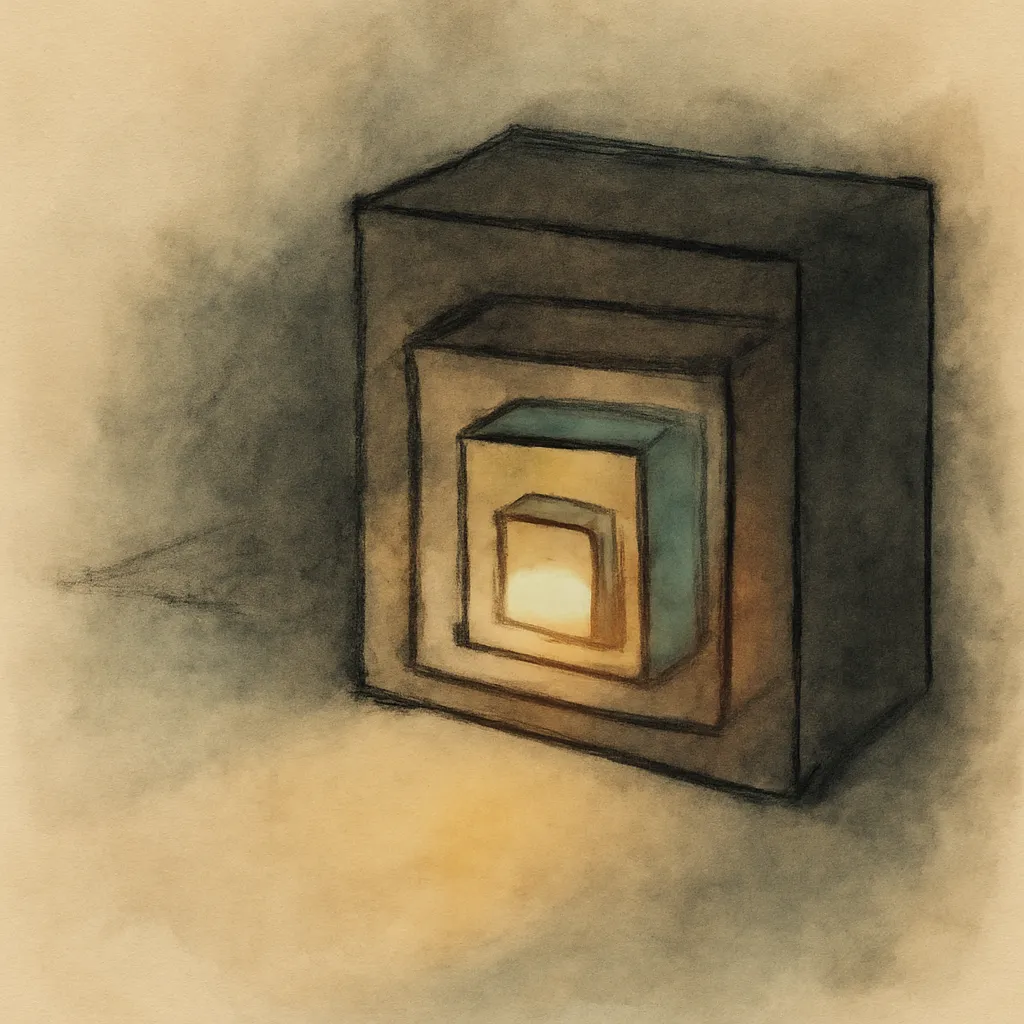
Kant argues that human reason has boundaries. While we can use reason to organize and interpret experience, we cannot use it to access knowledge about things beyond possible experience—what he calls 'things-in-themselves.' This means that metaphysical speculation about the soul, God, or the universe as a whole cannot yield genuine knowledge, since these topics lie beyond the scope of what our faculties can grasp.
2.A Revolution in Epistemology
Kant famously claims to have initiated a 'Copernican revolution' in philosophy. Instead of assuming our knowledge must conform to the external world, he suggests that the world as we experience it conforms to the structures of our mind. Space and time, for example, are not features of things-in-themselves but forms of human intuition—ways our mind organizes sensory data.
3.Synthetic A Priori Judgments
Kant introduces the category of 'synthetic a priori' knowledge—statements that are both informative about the world and knowable independently of experience. Mathematics and certain principles of science fall into this category. This challenges the traditional split between 'analytic' (true by definition) and 'synthetic' (true by experience) judgments, expanding our understanding of how knowledge is possible.
4.Phenomena vs. Noumena
Kant distinguishes between phenomena (the world as we experience it) and noumena (things as they are in themselves). We can have knowledge of phenomena, structured by our senses and understanding, but noumena remain forever inaccessible. This distinction undercuts both dogmatic metaphysics and radical skepticism, charting a middle path for philosophy.
5.Categories of Understanding
Kant claims that the mind actively organizes experience using a set of basic concepts or 'categories,' such as causality and substance. These categories are not derived from experience but are the preconditions for having any coherent experience at all. This insight reshapes debates about objectivity and the nature of scientific knowledge.
6.The Antinomies of Pure Reason
Kant analyzes the contradictions (antinomies) that arise when reason tries to go beyond possible experience—such as whether the universe has a beginning or is infinite. He shows that both sides of such debates can be rationally defended, revealing the limits of speculative reason and cautioning against overreaching claims.