1.The Weight of Experience
Curly Flandrau, the protagonist, embodies the essence of youth tempered by the harsh realities of the frontier. Despite his age, Curly has faced death and danger, earning a maturity that belies his years. This juxtaposition of youthful vigor and hardened experience is pivotal, as it shapes his decisions and relationships throughout the story. When Curly witnesses the death of his partner Mac, it becomes a turning point that propels him into a world of vengeance and survival. His journey illustrates how experiences can forge character, and how the lessons of the past inform the choices we make in the present. The narrative emphasizes that while youth often comes with impulsiveness, the experiences of life—especially in the treacherous setting of the West—instill wisdom and a sense of responsibility. Curly's past encounters with danger and loss prepare him for the challenges ahead, showcasing the transformative power of experience.
2.Friendship and Betrayal
The bond between Curly and Mac serves as the emotional backbone of the narrative. Their friendship is built on shared hardships and the trust that comes from working together on the unforgiving landscape of the West. Mac's death not only shatters Curly's world but also thrusts him into a moral quandary; he feels a profound sense of guilt and a desperate need for justice. This betrayal by fate forces Curly to confront the reality of his world: that loyalty can be fleeting and those you trust may not always be there when it matters most. The emotional stakes are high as Curly grapples with his grief and the desire for retribution, showcasing how the loss of a friend can alter one's path. Raine's portrayal of friendship underscores its importance as a source of strength, especially in the face of adversity, while also illustrating how betrayal—whether through death or abandonment—can lead to a profound sense of isolation and a desperate need for vengeance.
3.The Law in a Lawless Land
In 'Crooked Trails and Straight,' the concept of law is portrayed as both a guiding principle and a source of corruption. The characters navigate a landscape where the law is often absent or selectively enforced, leading to a chaotic environment where personal codes of honor take precedence. Curly's arrest for a crime he did not commit serves as a critique of the justice system that fails to protect the innocent. The sheriff, while a figure of authority, is depicted as flawed and influenced by personal grudges, reflecting the complexities of justice in a world where power dynamics shift rapidly. Raine emphasizes that in the absence of a fair legal system, individuals must often take justice into their own hands, leading to a cycle of violence and retribution. This exploration of law and morality challenges readers to consider the implications of justice in a society that often prioritizes survival over fairness, and it raises questions about the nature of justice in a world where might often trumps right.
4.A Quest for Redemption
Curly's journey is not just one of survival; it is also a quest for redemption. Faced with the prospect of hanging for a crime he did not commit, Curly must find a way to clear his name and honor Mac's memory. His determination to seek justice drives the narrative forward, as he navigates treacherous alliances and confronts those who wronged him. The quest for redemption becomes a central theme, as Curly grapples with the weight of his guilt and the desire to do right by his fallen friend. Raine masterfully depicts this internal struggle, showcasing how the need for redemption can compel individuals to undertake dangerous paths, often leading to both personal growth and peril. Curly's evolution from a young cowboy to a man driven by purpose illustrates the transformative power of seeking justice in the face of adversity, emphasizing that redemption is not merely a personal journey, but one that can have far-reaching implications for those around us.
5.The Influence of Environment

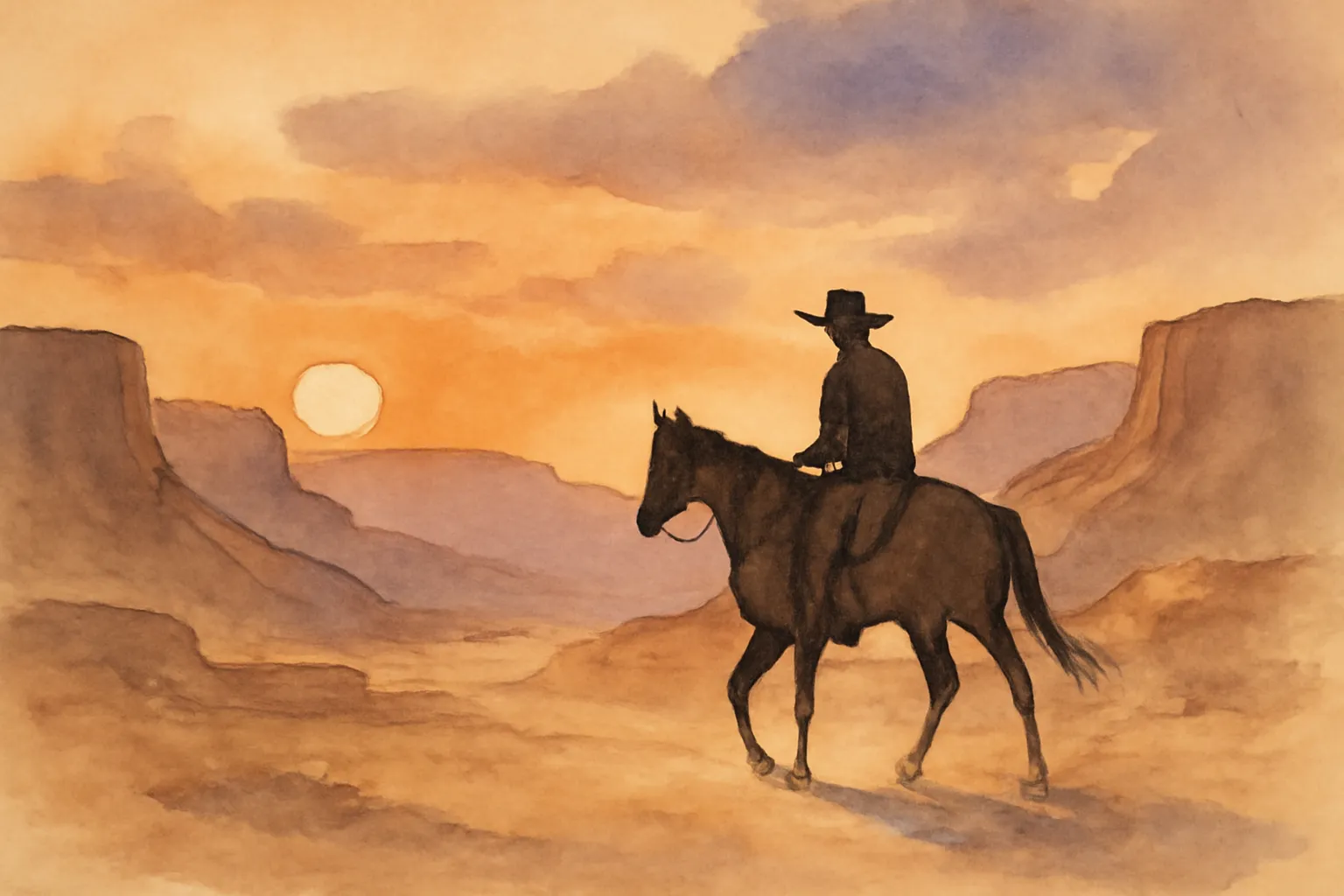
The setting of the American West is more than just a backdrop; it plays an integral role in shaping the characters' lives and decisions. Raine vividly describes the harsh desert landscape, the oppressive heat, and the isolation that define frontier life. This environment acts as a crucible for character development, forcing individuals to confront their fears and desires. Curly's experiences are deeply influenced by the unforgiving land, which symbolizes both opportunity and danger. The landscape is a character in its own right, reflecting the wild, untamed nature of the West that mirrors the struggles of its inhabitants. Raine's descriptive prose captures the beauty and brutality of the environment, illustrating how it shapes the characters' destinies. Curly's journey through this rugged terrain is emblematic of the broader human experience of navigating life’s challenges and uncertainties, further highlighting the profound connection between characters and their environment.
6.The Complexity of Morality

Raine delves into the moral ambiguities faced by his characters, particularly in the context of survival and justice. Curly's actions become increasingly complex as he grapples with the desire for vengeance against the backdrop of his moral compass. The story raises questions about what constitutes right and wrong in a world where the rules are often blurred. Characters like Soapy Stone and Lute Blackwell embody the darker aspects of humanity, challenging Curly to confront his own values as he seeks to navigate their treacherous world. Raine illustrates that morality is not always clear-cut; rather, it is often a series of choices made in the heat of the moment—choices that can have dire consequences. This exploration of morality invites readers to reflect on their own principles and the choices they would make in similar circumstances, emphasizing that the path to righteousness is fraught with difficult decisions that test the very fabric of one's character.
7.The Role of Women in the Frontier
The female characters in 'Crooked Trails and Straight' offer a nuanced perspective on life in the West, challenging traditional gender roles. Laura London, for instance, emerges as a strong, resourceful woman who navigates the complexities of her environment with intelligence and grit. Her interactions with Curly reveal the potential for partnership and equality in a male-dominated world. Raine’s portrayal of Laura goes beyond mere romantic interest; she becomes an integral part of the narrative, showcasing the ways in which women can wield power and influence in a society that often marginalizes them. This representation of women as capable and influential figures adds depth to the narrative, highlighting their integral role in shaping the frontier experience. Raine’s nuanced depiction encourages readers to reconsider the contributions of women in history and the diverse ways they impact their communities, ultimately enriching the narrative landscape of the West.
8.The Nature of Revenge
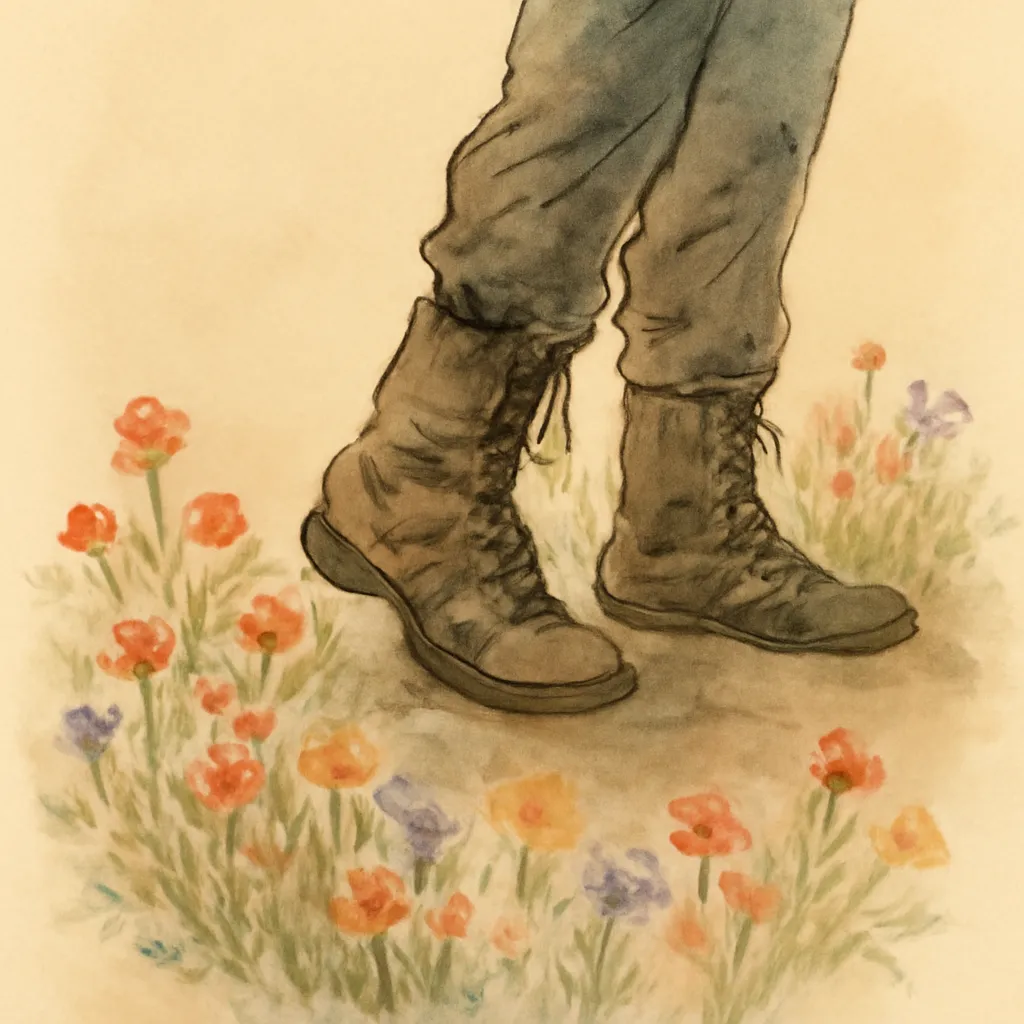
Revenge is a central theme in Curly's journey, driving his actions and decisions as he seeks to avenge Mac's death. The narrative explores the psychological toll of vengeance, as Curly grapples with the desire to retaliate against those who wronged him while also recognizing the potential consequences of such actions. This internal conflict adds layers to Curly's character, as he must weigh his thirst for revenge against the moral implications of his choices. Raine paints a vivid picture of how revenge can consume individuals, leading them down a dark path that may ultimately result in their own destruction. This exploration of revenge serves as a cautionary tale about the costs of allowing anger and hatred to dictate one's actions. As Curly navigates this treacherous terrain, readers are prompted to consider how the desire for revenge can cloud judgment and lead to a cycle of violence, ultimately questioning whether true justice can ever be achieved through such means.
9.The Power of Loyalty
Loyalty is a recurring motif throughout the story, influencing the relationships between characters and shaping their actions. Curly's loyalty to Mac drives him to seek justice in the face of overwhelming odds, while the loyalty of others, such as Maloney, highlights the bonds formed in the harsh realities of frontier life. Raine illustrates how loyalty can serve as both a strength and a vulnerability, as characters must navigate the complexities of their commitments to one another. This theme underscores the importance of trust and camaraderie in a world fraught with danger, ultimately revealing that loyalty can be a double-edged sword in the pursuit of justice and survival. As Curly's journey unfolds, the weight of loyalty becomes increasingly significant, prompting him to question whom he can truly trust in a landscape filled with deceit and betrayal.
10.Facing the Consequences
As the narrative unfolds, characters are forced to confront the consequences of their actions, both good and bad. Curly's decisions lead him down a path of danger and uncertainty, culminating in moments of reckoning that challenge his resolve. Raine emphasizes that every choice carries weight, and the characters must navigate the repercussions of their actions while striving for redemption. This theme of consequence resonates deeply, reminding readers that the choices we make can have lasting impacts on our lives and the lives of those around us. Curly's journey illustrates the importance of accountability and the necessity of facing the outcomes of one's decisions. Raine's portrayal of consequence invites readers to reflect on their own lives and the moral complexities inherent in the choices we make, ultimately reinforcing the idea that personal growth often comes from acknowledging and learning from our mistakes.