1.Culture as a Tool of Empire
Said argues that imperialism is not just a matter of armies and economics, but is deeply embedded in cultural forms—especially literature. Western novels, art, and scholarship often naturalize the dominance of Europe and the marginalization of others. By analyzing works like Austen’s 'Mansfield Park' or Conrad’s 'Heart of Darkness,' Said shows how cultural products both reflect and justify imperial attitudes, making empire seem inevitable and desirable to their audiences.
2.The Politics of Representation
A core idea is that how societies represent themselves and others—through stories, images, and scholarship—shapes real-world power dynamics. Said demonstrates that the West’s portrayal of the 'Orient' or colonized peoples is rarely innocent; it serves to reinforce stereotypes, justify intervention, and silence alternative voices. Recognizing these patterns is essential for challenging the legacies of imperialism.
3.Resistance and Counter-Narratives
Said highlights the importance of resistance, not just through political struggle but through culture itself. He examines how colonized peoples have used literature, music, and other arts to assert their agency, challenge imperial narratives, and imagine alternative futures. These counter-narratives are vital for reclaiming dignity and reshaping history from the perspective of the oppressed.
4.Interconnected Histories
The book insists that the histories of Europe and its former colonies are inseparable. Cultural and political developments in the West cannot be understood in isolation from the processes of colonization and resistance elsewhere. This interconnectedness means that debates about identity, justice, and democracy are global, not merely local or national.
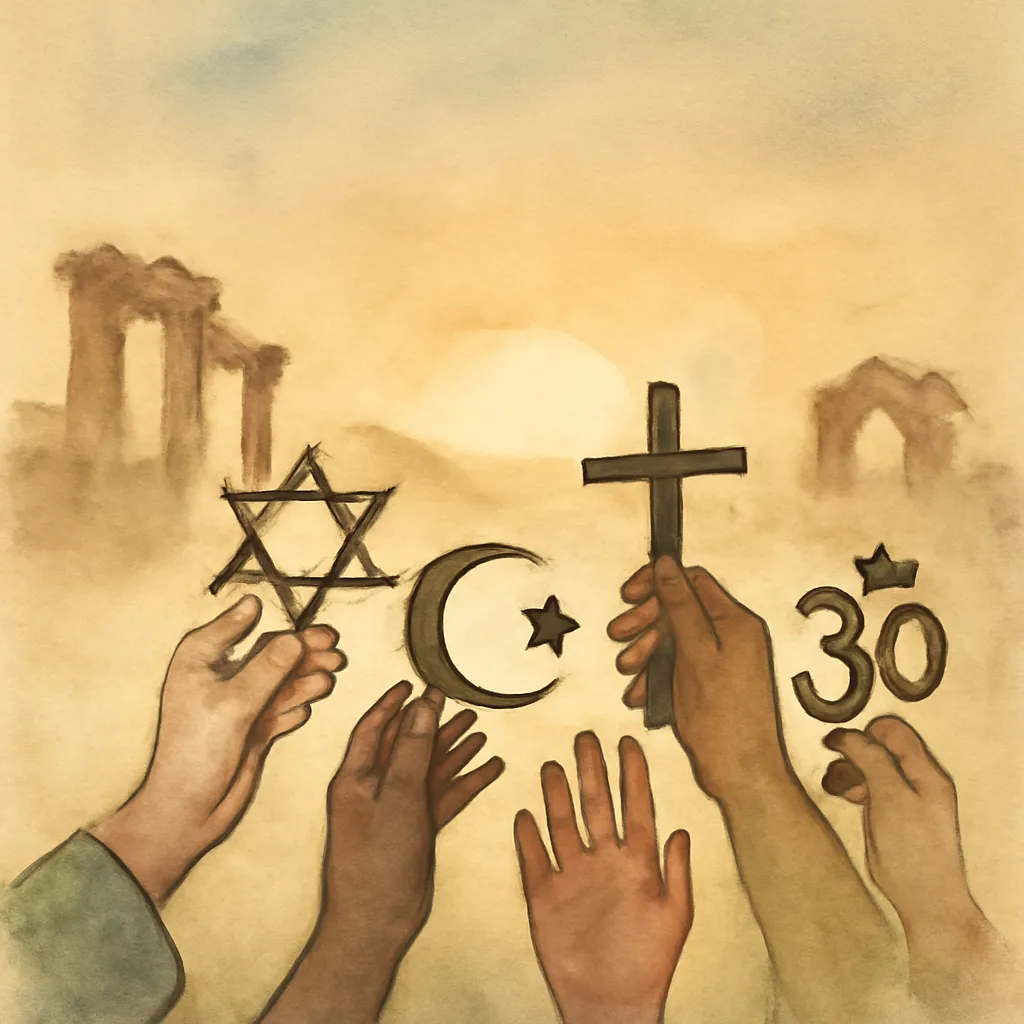
5.Secularism and Democratic Futures
Said advocates for secular, democratic societies as the best hope for overcoming the divisions sown by imperialism and religious fundamentalism. He argues that only by embracing pluralism and open dialogue can societies move toward justice and equality, especially in the Middle East. This vision is grounded in a belief in shared humanity and the transformative power of culture.
6.The Ongoing Relevance of Imperialism
While focusing on historical imperialism, Said connects these patterns to contemporary issues like the 'war on terror' and the Israeli-Palestinian conflict. He warns that imperial attitudes persist in new forms, shaping foreign policy, media, and public discourse. Understanding these continuities is crucial for anyone concerned with global justice today.