1.Words as Sites of Struggle
Williams argues that many common words—such as 'democracy,' 'culture,' or 'community'—are not neutral or static. Instead, they are shaped by ongoing social and political conflicts. The meanings of these words evolve as different groups contest their definitions, making language a battleground for power and ideology. Understanding this helps readers see that language is never just a transparent tool, but a field where social change and resistance play out.
2.Culture as a Dynamic Concept
Williams famously explores how the word 'culture' itself has shifted from meaning the process of tending or cultivating (as in agriculture) to a complex system of meanings associated with art, society, and identity. By tracing these shifts, he shows that 'culture' is not a fixed essence but a living, contested concept that reflects broader changes in society, economics, and politics.
3.The Vocabulary of Modernity
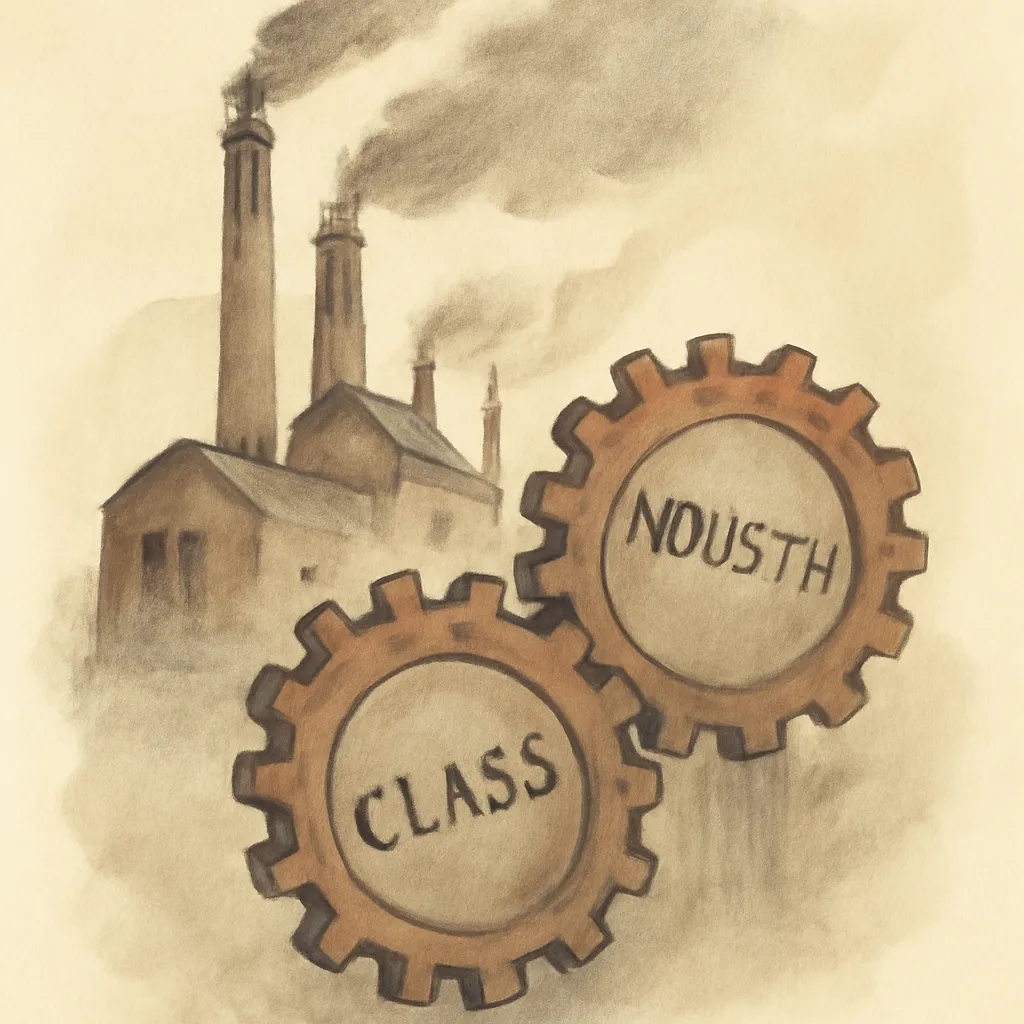
Many of the keywords Williams examines—such as 'industry,' 'class,' 'media,' and 'society'—are products of the modern era. Their changing meanings map the rise of industrial capitalism, mass society, and new forms of collective life. Williams’s analysis helps readers see how the language of modernity both shapes and reflects the experience of living in a rapidly changing world.
4.Language and Power
Williams insists that the way we use and interpret words is never innocent. Definitions are often the result of political struggles, with dominant groups attempting to fix meanings to serve their interests, while others resist or subvert these definitions. By unpacking the histories of words, Williams empowers readers to question whose interests are served by particular uses of language.
5.Beyond Etymology: Social Histories of Words
Unlike traditional dictionaries, Williams is less interested in the ancient roots of words than in their social and historical trajectories. He shows that words gain new meanings as societies change, and that these shifts often reflect deeper transformations in values, institutions, and ways of life. This approach encourages readers to think historically about language and to see definitions as provisional and contested.
6.Keywords as Tools for Critical Thinking
By providing detailed histories of over a hundred important words, Williams gives readers tools to think critically about the assumptions embedded in everyday language. His book encourages skepticism toward taken-for-granted meanings and invites readers to participate in the ongoing process of redefining the terms that shape public debate and private thought.