1.The Quirks of Family Life
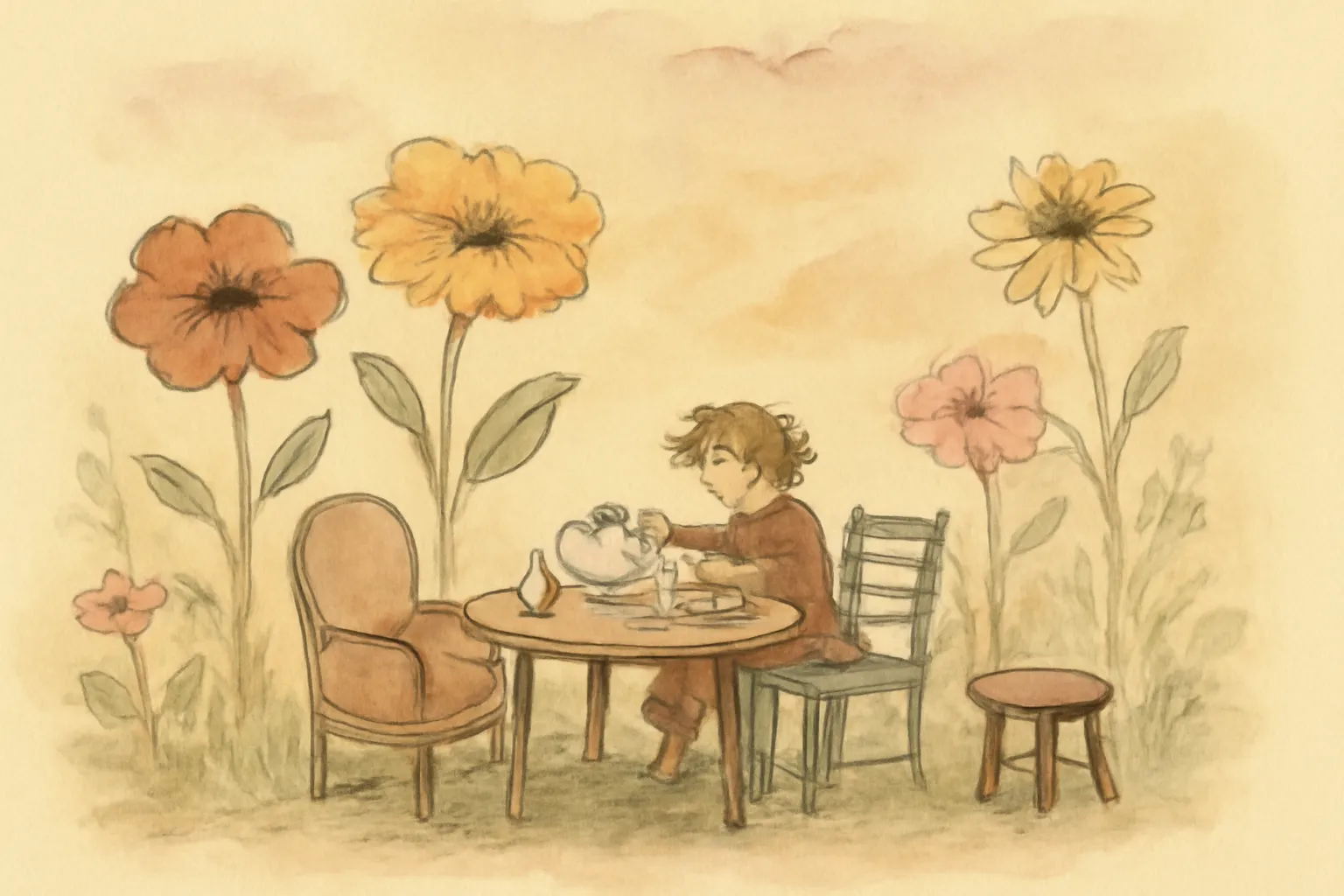
Ashford paints a vivid picture of the Molvern household, where Mr. and Mrs. Molvern embody contrasting personalities that create a delightful domestic dynamic. Mr. Molvern is characterized by his fiery temper and dubious fashion choices, while Mrs. Molvern's gentle demeanor and interest in the world around her provide a calming balance. Their interactions and the peculiarities of their home life serve as a microcosm of family relationships, where love and exasperation coexist. For instance, the descriptions of their home, with its 'half dirty white curtains' and 'red painted door,' evoke a sense of warmth and familiarity, while also hinting at the chaos that often accompanies family life. This portrayal resonates with anyone who has navigated the complexities of familial bonds, making it a relatable entry point for readers.
2.Innocent Romance
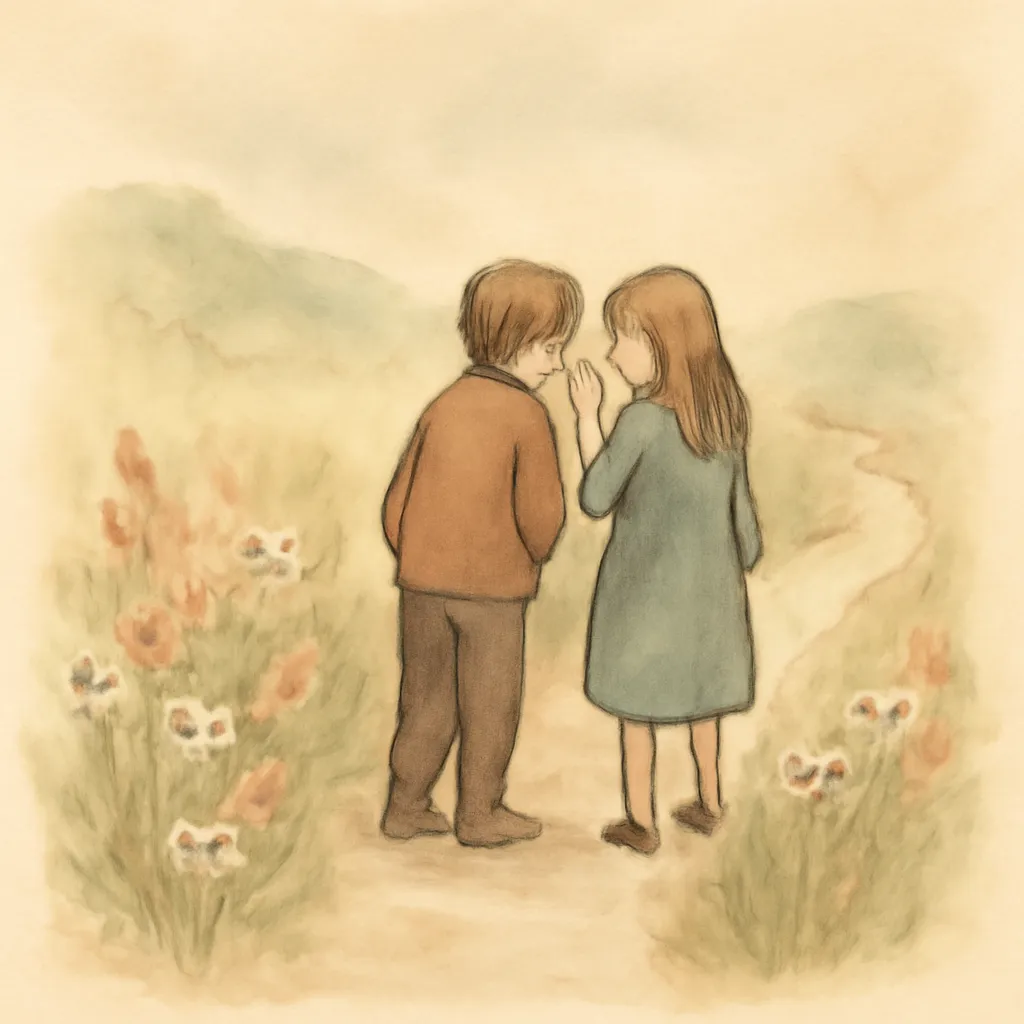
The young love between Burke and Edith Plush is portrayed with a blend of sincerity and humor that captures the essence of adolescent affection. Burke's nervousness and Edith's melodramatic tendencies are depicted with endearing innocence, illustrating the often comical nature of young courtship. Their interactions, such as the emotional biscuit-sharing scene where Edith cries over the type of biscuit, showcase the trivial yet significant moments that define young love. Ashford’s use of whimsical dialogue and exaggerated emotions not only entertains but also highlights the earnestness with which children approach relationships. The simplicity of their courtship, complete with letters to the local priest, reflects a time when love was filled with grand gestures, misunderstandings, and heartfelt intentions, reminding readers of their own youthful romantic escapades.
3.Absurdity of Adult Expectations
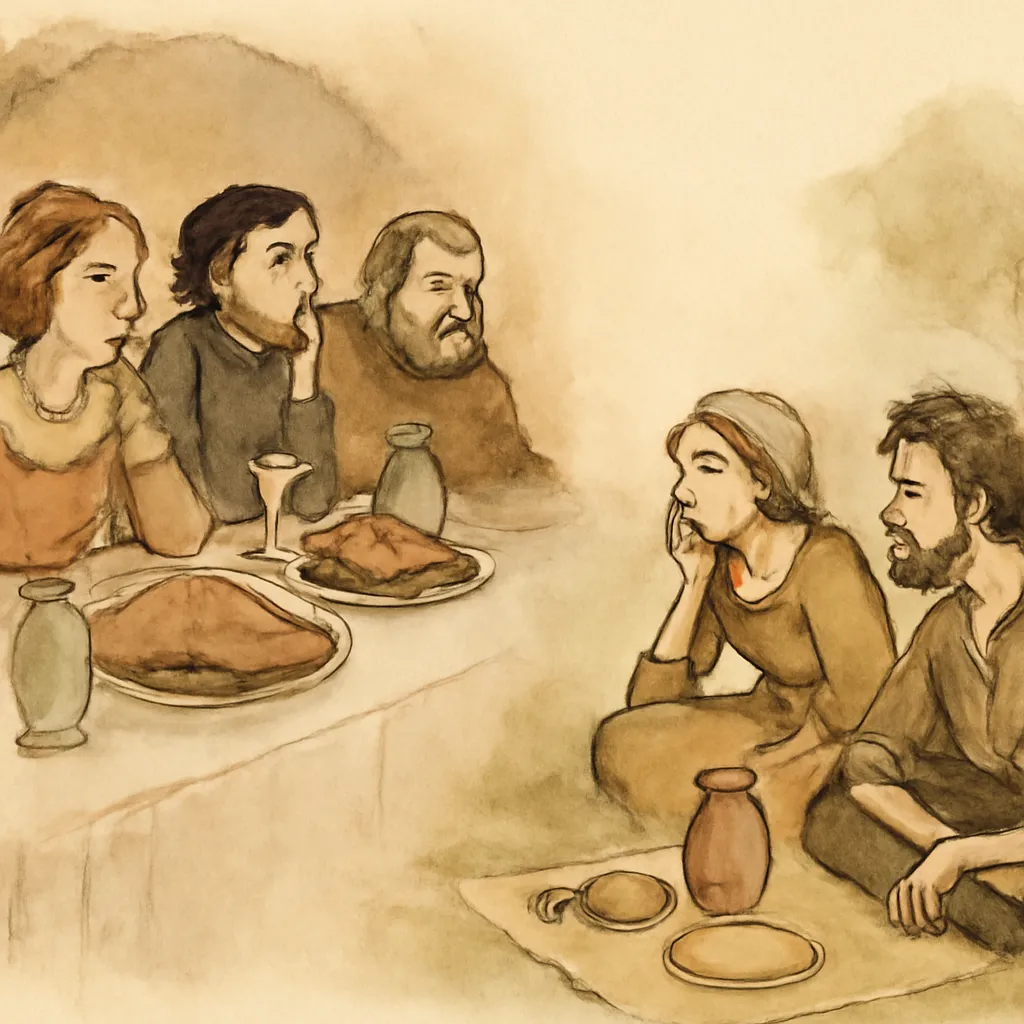
The theme of adult expectations is woven throughout Ashford's stories, revealing the absurdity inherent in the way children perceive the world around them. Characters like Mr. Earlsdown, who holds rigid views on marriage and social status, represent the adult world’s often irrational expectations. His adamant refusal to accept Burke as a suitable match for Sylvia underscores the societal pressures that can overshadow genuine affection. Ashford cleverly contrasts these adult concerns with the carefree nature of her young characters, who prioritize love and happiness over social conventions. This juxtaposition invites readers to reflect on the arbitrary nature of societal norms and the ways in which they can stifle true connection. By highlighting these absurdities, Ashford encourages a return to the simplicity and authenticity of childhood, where love and friendship reign supreme.
4.The Power of Imagination
Ashford's narratives are imbued with a sense of wonder and imaginative flair that transports readers to a world where anything is possible. The characters often engage in flights of fancy, creating elaborate scenarios that blur the lines between reality and imagination. This is particularly evident in the way Sylvia dreams of her future with Leslie Woodcock, illustrating how children construct their identities and aspirations through imaginative play. The whimsical settings and fantastical elements reflect the limitless possibilities that a child’s mind can conjure, inviting readers to embrace their own creativity. Ashford’s ability to weave such imaginative tales serves as a reminder of the importance of nurturing creativity in children, allowing them to explore their thoughts and feelings in a safe and expressive manner.
5.Social Class and Its Implications
The stories subtly explore themes of social class and the implications it has on relationships and personal aspirations. Characters like Leslie Woodcock, who comes from a less affluent background, face prejudice and skepticism from figures like Mr. Earlsdown, who prioritizes wealth and status over character and affection. Ashford deftly critiques this class-consciousness through the eyes of her young characters, who are often oblivious to the societal hierarchies that dictate their lives. The innocence of the protagonists allows for a fresh perspective on class disparities, prompting readers to question the validity of such distinctions in matters of the heart. By showcasing the struggles faced by characters from different social backgrounds, Ashford highlights the importance of love and connection that transcends economic divides.
6.Childhood Friendships
Friendship is a central theme in Ashford's work, showcasing the deep bonds formed during childhood that often define one's early experiences. The camaraderie between characters like Sylvia and Leslie, as well as Burke and Edith, exemplifies the importance of companionship during formative years. These friendships are characterized by a mix of loyalty, misunderstandings, and heartfelt moments that resonate with readers of all ages. Ashford captures the essence of these relationships with a lighthearted touch, illustrating how children navigate their social circles with both innocence and complexity. The trials and tribulations faced by these friendships serve to remind readers of the lasting impact that childhood companions can have on one’s life, shaping identity and emotional resilience. Through these portrayals, Ashford celebrates the joys and challenges of friendship, underscoring its significance in the journey of growing up.
7.The Role of Humor
Humor is a vital component of Ashford's storytelling, infusing her narratives with a lighthearted spirit that enhances their charm. The playful dialogue and absurd situations create a whimsical atmosphere that engages readers and encourages them to view the world through a humorous lens. For example, the exaggerated reactions of characters and their miscommunications provide comedic relief while also conveying deeper truths about human nature. Ashford’s ability to elicit laughter through her characters’ follies serves as a reminder of the importance of humor in coping with the complexities of life. This playful approach not only entertains but also fosters a sense of connection among readers, inviting them to share in the joy and silliness of childhood. By employing humor, Ashford enriches her narratives and underscores the notion that laughter is a universal language that transcends age and circumstance.
8.The Journey to Adulthood

Ashford's stories reflect the transition from childhood to adulthood, capturing the bittersweet nature of growing up. Characters grapple with the complexities of love, societal expectations, and personal aspirations as they navigate their formative years. This journey is portrayed with a sense of authenticity, as Ashford illustrates the confusion, excitement, and challenges that accompany this transition. For instance, Sylvia's emotional turmoil in seeking her uncle's permission to marry Leslie highlights the tension between youthful desires and adult responsibilities. Through these experiences, Ashford encapsulates the essence of adolescence, where innocence clashes with the realities of adult life. The portrayal of this journey resonates deeply with readers, evoking nostalgia for their own experiences of growing up and the lessons learned along the way. By addressing the trials of transitioning into adulthood, Ashford offers valuable insights into the human experience, reminding readers of the universal nature of these struggles.
9.The Influence of Environment
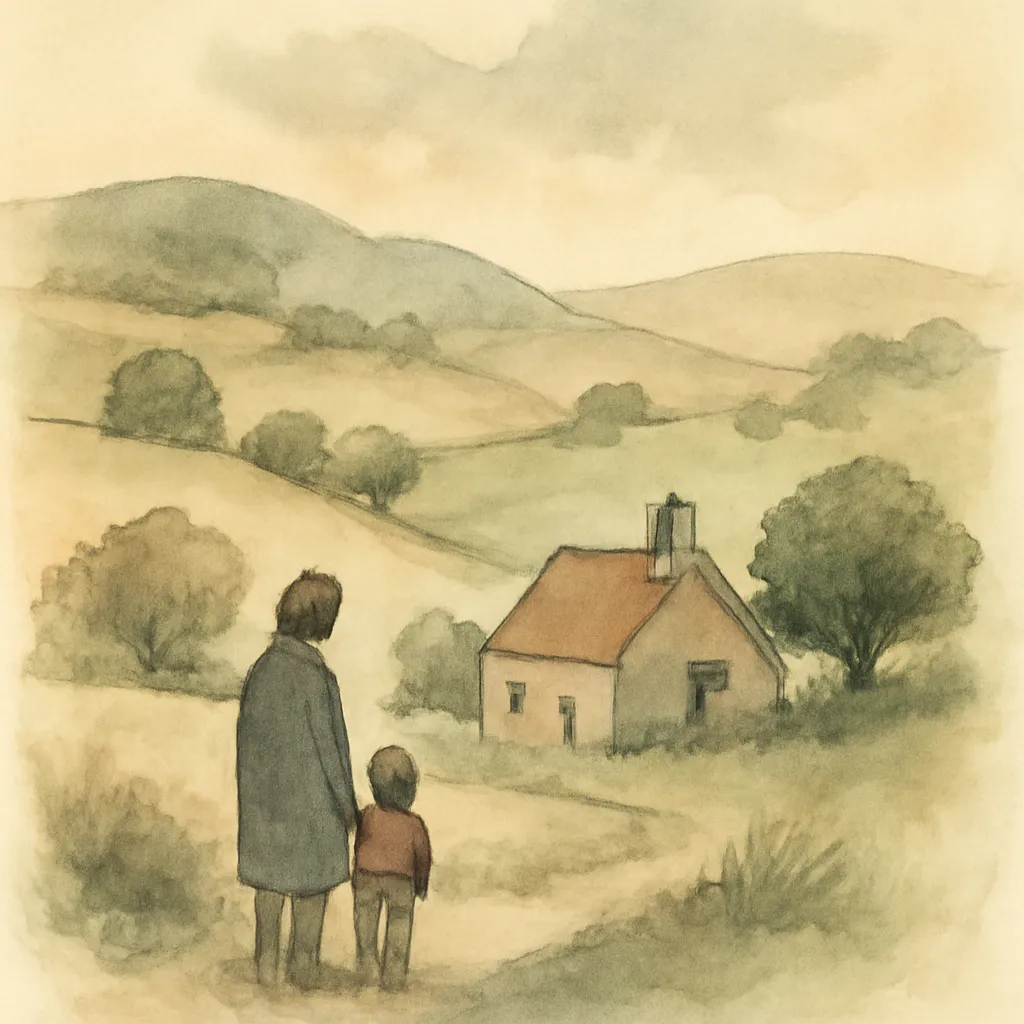
The settings in Ashford's stories play a crucial role in shaping the characters and their experiences, reflecting the profound impact of environment on personal development. The picturesque landscapes of Devonshire and the quaintness of the Molvern household create a backdrop that enhances the whimsical nature of the narratives. These settings serve as more than mere locations; they embody the characters' emotions and aspirations. For example, the dreamy park outside the Molvern home symbolizes the innocence and freedom of childhood, while the contrasting realities of adult life loom in the background. Ashford's vivid descriptions immerse readers in these environments, inviting them to experience the sights, sounds, and feelings associated with each locale. By emphasizing the connection between environment and character, Ashford encourages readers to consider how their own surroundings influence their lives and perspectives.
10.Conclusion: The Enduring Charm of Innocence
Ultimately, 'Daisy Ashford: Her Book' is a celebration of childhood in all its chaotic beauty. Through her whimsical storytelling, Ashford captures the essence of innocence, humor, and the trials of growing up, inviting readers to reflect on their own experiences. The narratives serve as a reminder of the importance of nurturing creativity, friendship, and love in the lives of children, as these elements shape their identities and futures. Ashford's unique perspective as a young author allows her to convey profound truths about human nature and relationships, transcending age and time. As readers journey through her delightful tales, they are reminded of the joy and complexity of childhood, and the enduring charm that innocence brings to the human experience.