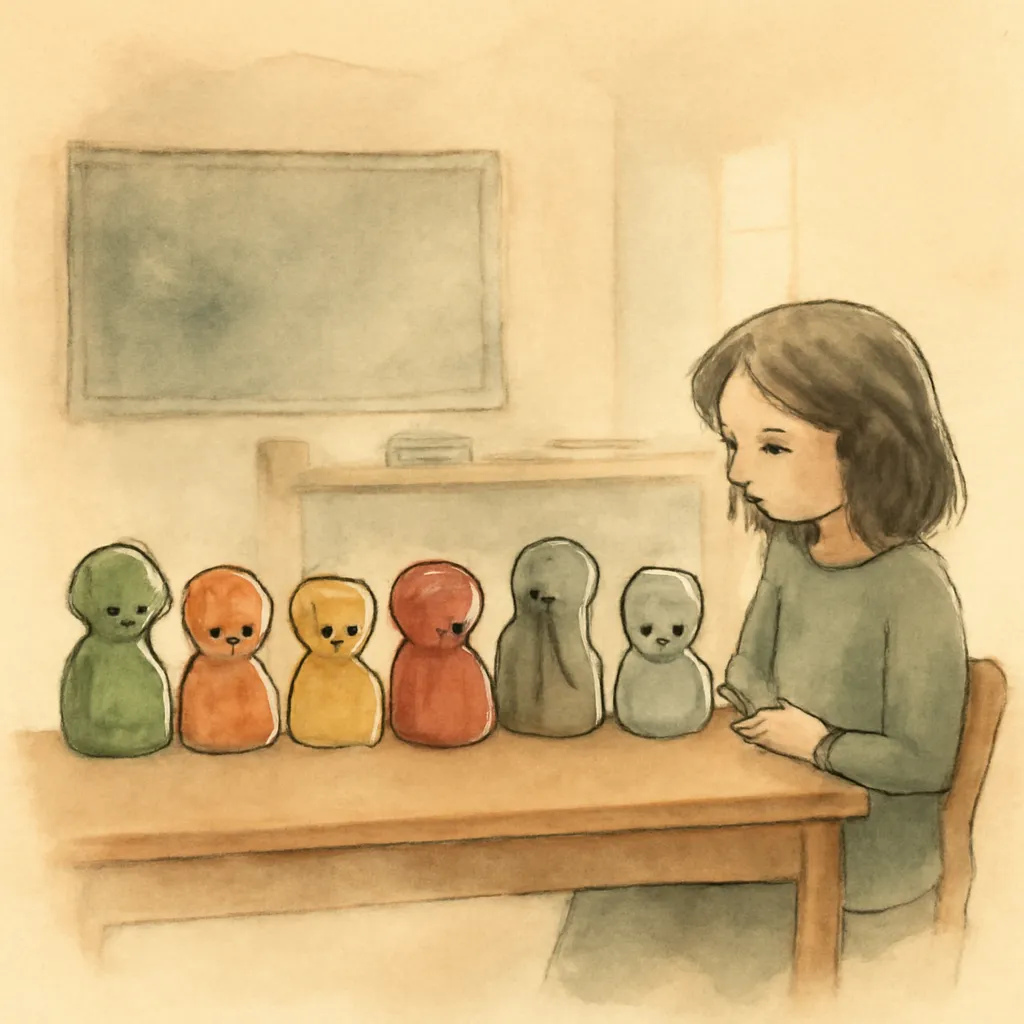
1.Vulnerability as Strength
Brown argues that vulnerability—the willingness to show up and be seen when we can't control the outcome—is not a flaw but a vital source of strength. Rather than avoiding uncertainty or emotional exposure, she encourages us to lean into it, recognizing that meaningful achievements and relationships are only possible when we risk being vulnerable.
2.The Culture of Scarcity
A central concept in the book is 'scarcity,' the pervasive feeling of never being enough—never good enough, rich enough, or safe enough. Brown explains how this mindset erodes our self-worth and relationships, fueling shame and disengagement. She advocates for a shift toward gratitude and sufficiency, which fosters resilience and connection.
3.Shame and Empathy
Brown's research highlights shame as a powerful, often hidden force that keeps us from daring greatly. She distinguishes shame from guilt and shows that shame thrives in secrecy and silence. Empathy, on the other hand, is its antidote: by sharing our stories and hearing others without judgment, we create space for healing and courage.
4.Wholehearted Living
The book introduces the idea of 'wholeheartedness'—living from a place of worthiness, where we embrace our imperfections and cultivate authenticity, compassion, and resilience. Brown outlines practical guideposts for wholehearted living, such as cultivating gratitude, creativity, and play, and letting go of comparison and perfectionism.
5.Leadership and Vulnerability
Brown extends her insights into the workplace and leadership, arguing that organizations thrive when leaders model vulnerability. This means admitting mistakes, asking for help, and fostering environments where people feel safe to take risks and share ideas. Such cultures drive innovation, trust, and engagement.
6.Parenting and Teaching Vulnerability
The book also addresses how parents and educators can nurture vulnerability in children. Brown suggests that modeling openness, admitting when we don't have all the answers, and encouraging children to express their feelings are crucial to raising resilient, courageous adults.