1.Journey as Discovery and Critique
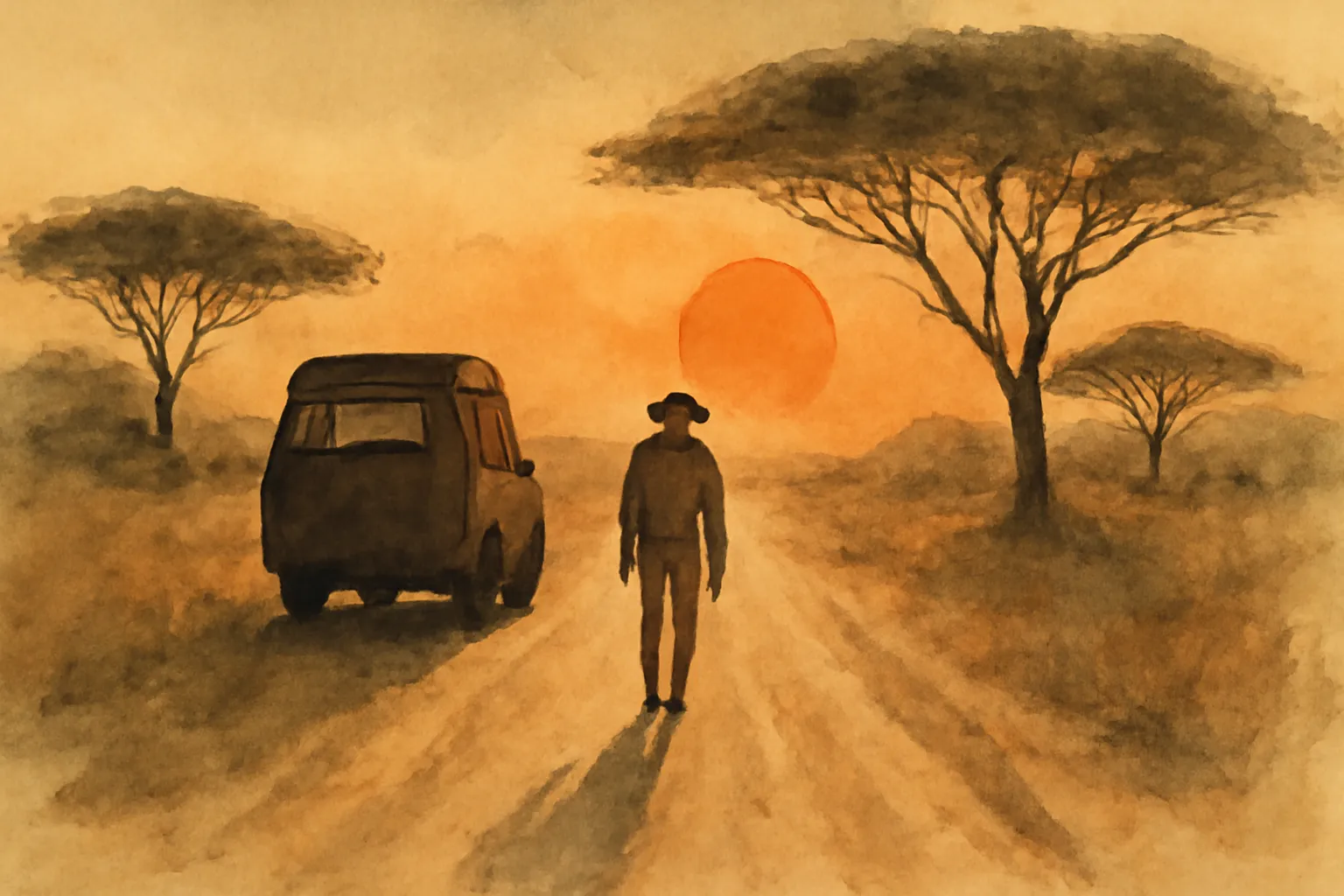
Theroux’s overland trip from Cairo to Cape Town isn’t just an adventure; it’s a vehicle for exploring Africa’s realities and for critiquing Western perceptions. By traveling slowly and often uncomfortably, he immerses himself in the daily lives of Africans, exposing both the continent’s vibrancy and its struggles. His journey becomes a lens for examining the gap between Africa’s image in the West and the lived experience of its people.
2.A Return to Roots and Reflection on Change
Having lived and worked in Africa decades earlier, Theroux uses his return to measure how the continent—and his own outlook—have changed. He is both an outsider and a former insider, which allows him to reflect on the effects of time, memory, and nostalgia. This dual perspective deepens his observations, as he contrasts past hopes and present realities.
3.Aid and Its Discontents
A major theme is Theroux’s skepticism about the effectiveness of foreign aid and development projects. He argues that well-intentioned interventions often foster dependency, inefficiency, or even harm. Through conversations and firsthand observations, he questions whether outsiders can truly help Africa, or if solutions must come from within. This controversial stance invites readers to reconsider commonly held beliefs about charity and progress.
4.Africa’s Complexity Beyond Stereotypes
Theroux resists simplistic portrayals of Africa as either hopelessly tragic or exotically beautiful. Instead, he presents a continent of contradictions: resilience amid hardship, humor in adversity, and diversity that defies generalization. His encounters with individuals—teachers, students, villagers, bureaucrats—reveal the human stories often overlooked in media narratives.
5.The Traveller’s Role: Observer, Participant, Critic
Theroux is acutely aware of his position as a Western traveler. He examines his own motives and the ethics of travel writing, questioning whether his presence is helpful, exploitative, or simply voyeuristic. This self-awareness adds depth to the narrative, making the book as much about the act of travel as about Africa itself.
6.Endurance, Danger, and the Value of Discomfort
The journey is physically and emotionally taxing—marked by discomfort, danger, and unpredictability. Theroux argues that real travel, as opposed to sanitized tourism, requires risk and vulnerability. It is through enduring hardship that he gains genuine insight, suggesting that challenge is essential to understanding and personal growth.