1.The Veil of Double Consciousness
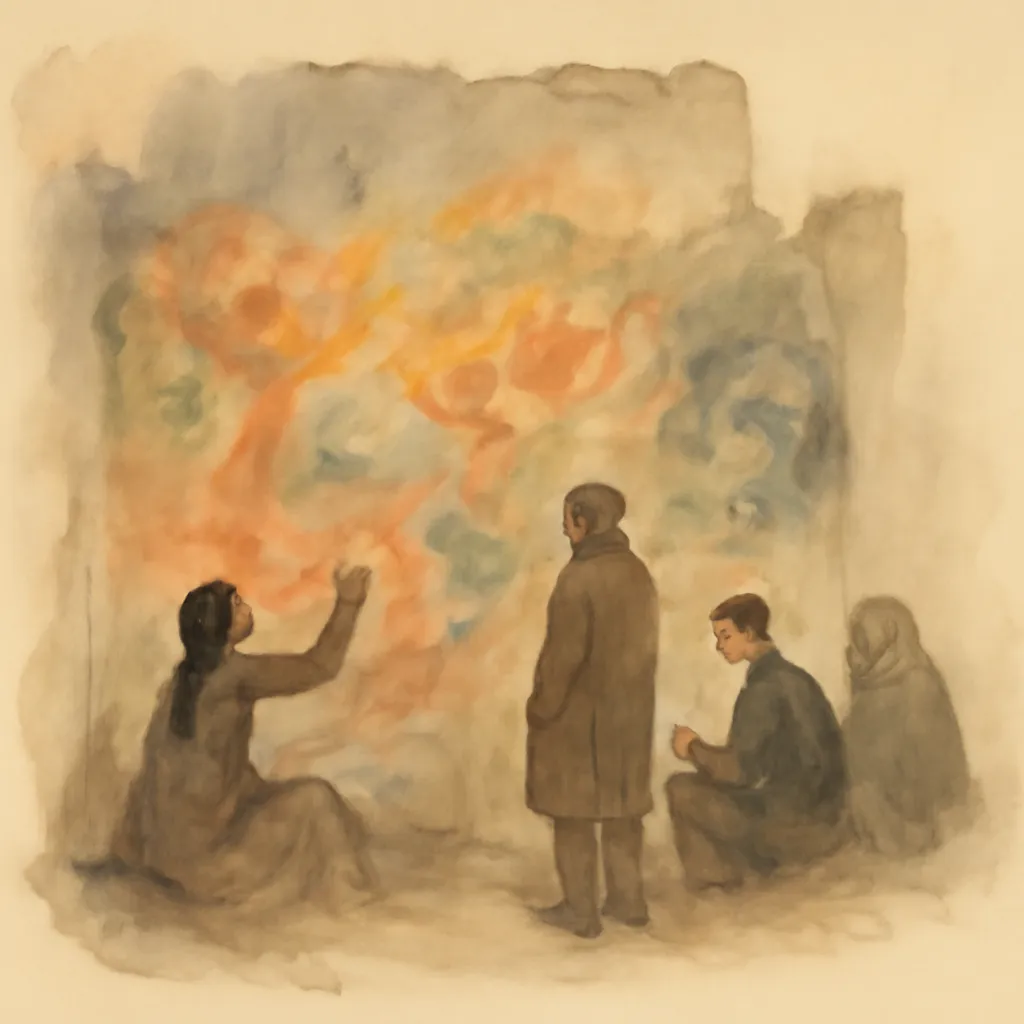
Du Bois introduces the concept of 'double consciousness', which articulates the internal conflict felt by African Americans who navigate a world that often devalues their identity. This duality manifests as a veil that obscures their true selves, compelling them to see themselves through the eyes of a society that frequently reduces them to stereotypes or caricatures. This notion of double consciousness leads to a profound sense of alienation, as individuals wrestle with how to embrace their own identities while confronting external societal pressures. Du Bois expands on this by illustrating how this conflict can breed a lack of confidence and self-worth, as the expectations of the dominant culture clash with the realities of their lived experiences. By sharing personal anecdotes and observations, he invites readers to empathize with the emotional toll that racial prejudice exacts on individuals striving for identity and dignity.
2.Embracing African Heritage
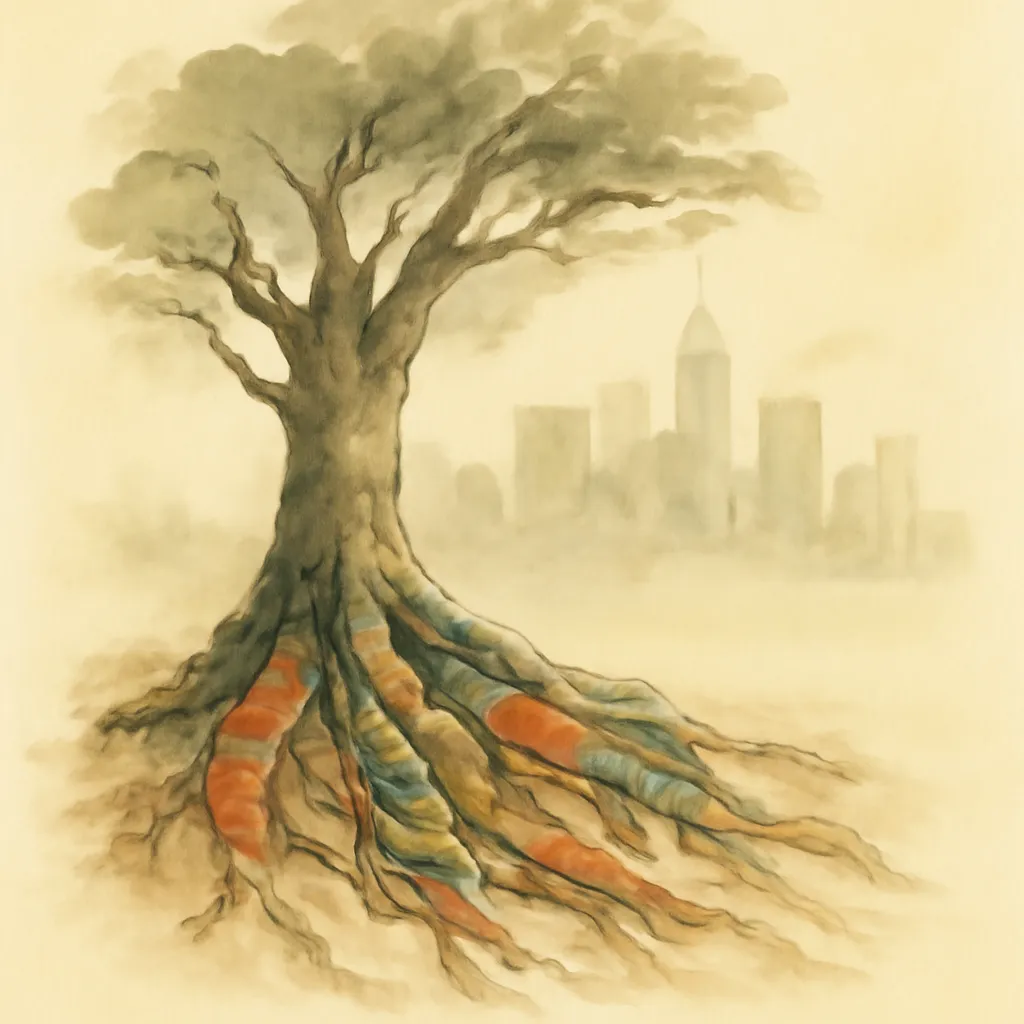
One of the key themes in 'Darkwater' is the significance of African heritage in shaping the identities of Black Americans. Du Bois argues that the rich cultural history of Africa should be celebrated rather than dismissed or forgotten. He recounts the stories of his ancestors, highlighting their resilience and creativity as foundational to the American experience. By reclaiming their heritage, Du Bois seeks to counteract the dominant narrative that often portrays African culture as primitive or inferior. He urges readers to recognize the contributions of African civilizations to the broader world, emphasizing that the legacies of art, science, and philosophy from Africa are integral to human civilization. This reclamation not only fosters a sense of pride but also redefines the narrative of race in America, asserting that Black individuals possess a profound and rich heritage that deserves recognition and respect.
3.The Struggle for Racial Equality
Du Bois articulates the ongoing struggle for racial equality throughout 'Darkwater', critiquing the systemic injustices that deny Black individuals their rights and opportunities. He highlights the impact of discrimination in various aspects of life, including education, employment, and civil rights. Du Bois calls into question the idea of American democracy, suggesting that it has failed to deliver on its promise of equality for all citizens. He discusses the significance of education as a means of empowerment, advocating for equitable access to quality education for Black Americans. Du Bois emphasizes that true equality cannot be achieved without addressing the historical and institutional inequities that have systematically marginalized Black voices. This call to action resonates deeply, urging readers to not only acknowledge these injustices but to actively participate in the movement for social change.
4.Beauty Interwoven with Suffering
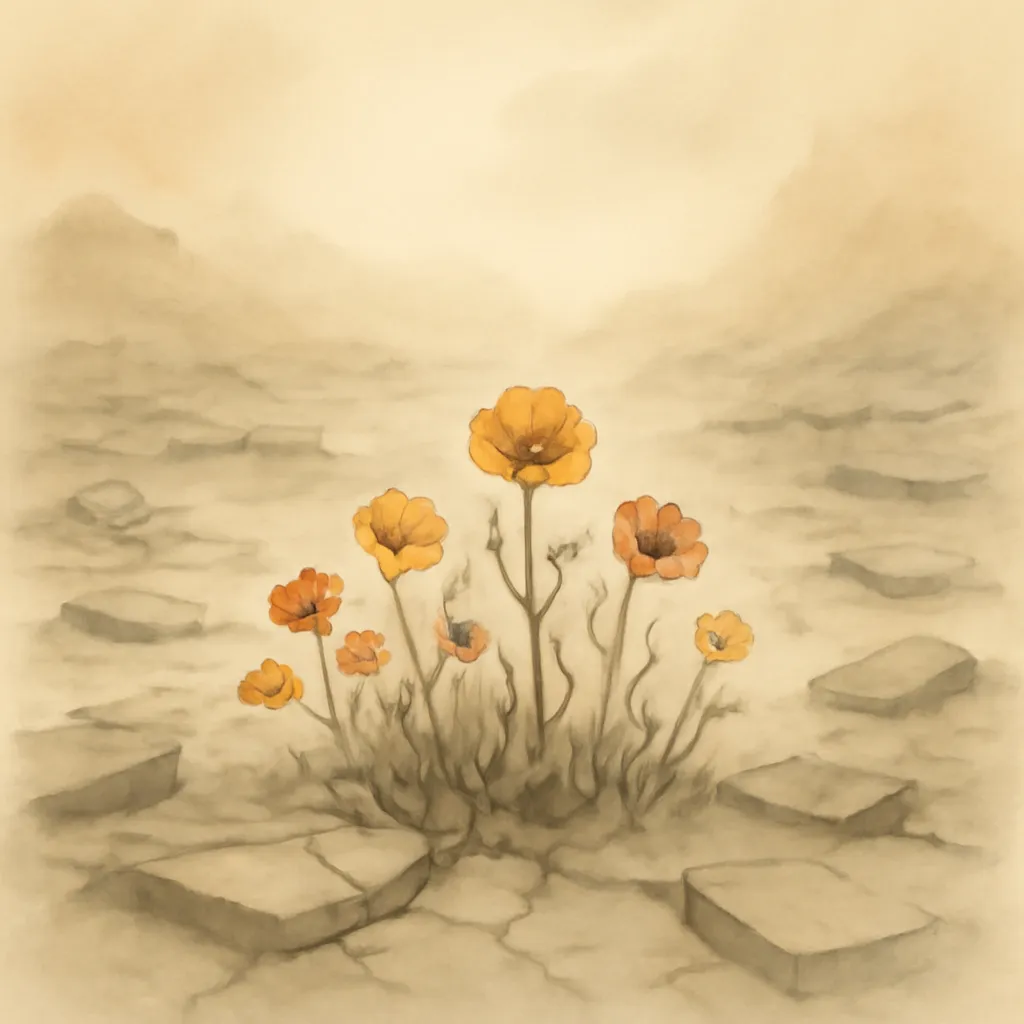
Du Bois intertwines the themes of beauty and suffering, suggesting that true beauty emerges from the depths of pain and struggle. He reflects on how the experience of suffering can yield profound insights into the human condition, leading to artistic creation and spiritual growth. Du Bois presents beauty as a form of resistance, a way for individuals to assert their humanity in the face of dehumanization. By celebrating the beauty of Black culture and art, he argues that creativity is not merely an embellishment but a vital expression of identity and resilience. This perspective challenges conventional notions of beauty defined by the dominant culture, advocating for a broader understanding that encompasses diverse experiences and expressions. Du Bois’s reflections encourage readers to seek out the profound moments of grace and strength that can arise even in the most challenging circumstances, signaling that beauty is often found where pain is present.
5.The Position of Women in Society

Du Bois addresses the specific challenges faced by women, particularly Black women, in a patriarchal society. He highlights the intersecting oppressions of race and gender, illustrating how societal expectations often confine women to subordinate roles. Through his reflections on the lives of women in his community, he critiques the ways in which their identities are shaped by the men they are related to, emphasizing that they are often defined in relation to others rather than as individuals in their own right. Du Bois discusses the importance of recognizing women's contributions and the need for their voices to be amplified in the struggle for equality. He advocates for a reimagining of gender roles that empowers women to assert their agency and participate fully in the fight for social justice. This exploration reveals the importance of inclusivity in the fight for equality, stressing that liberation must encompass all marginalized groups for true progress to be achieved.
6.Economic Inequality and Its Effects
Economic disparity serves as a central theme in Du Bois's examination of race relations, as he argues that poverty and lack of access to resources perpetuate cycles of oppression and limit opportunities for advancement within the Black community. He shares personal anecdotes of his upbringing, illustrating how economic conditions shaped his experiences and aspirations. By discussing the systemic barriers that prevent Black individuals from attaining economic stability, Du Bois highlights the need for comprehensive social reforms. He calls for fair wages, job opportunities, and equitable access to education as essential components of achieving racial justice. His insights underscore the necessity of understanding economic factors within the broader context of racial justice, making it clear that economic empowerment is critical to dismantling systemic oppression.
7.Art as a Catalyst for Change
Du Bois champions the power of art and literature as tools for social change throughout 'Darkwater.' He believes that creative expression can illuminate the struggles and aspirations of marginalized communities, fostering empathy and understanding among diverse audiences. By presenting the lived experiences of Black individuals through poetry, essays, and prose, he invites readers to engage with the emotional truths of their narratives. Du Bois argues that art becomes a means of reclaiming identity and challenging the dominant narratives that seek to silence or distort Black voices. He discusses how art can serve as a form of resistance against oppression, inspiring activism and social reform. Du Bois's advocacy for the arts highlights the importance of cultural production in the fight for justice, underscoring that storytelling and artistic expression are vital components of activism and awareness.
8.Interconnectedness of Humanity
A recurring theme in 'Darkwater' is the idea that all humans are fundamentally connected, regardless of race or background. Du Bois argues that recognizing this interconnectedness is essential for fostering compassion and understanding between different communities. He challenges the notion of racial superiority, asserting that all people, irrespective of their skin color, share a common humanity. This perspective invites readers to reflect on their own biases and assumptions, encouraging a more inclusive worldview. Du Bois emphasizes that true progress can only be achieved through solidarity among all people, and he envisions a future where mutual respect and understanding can lead to a more just society. By advocating for unity, he underscores the importance of acknowledging shared struggles and aspirations, fostering a sense of responsibility to uplift one another.
9.The Quest for Personal Identity
Du Bois delves into the complexities of personal identity, particularly within the context of race. He reflects on his own journey of self-discovery, grappling with the expectations placed upon him by society and his own aspirations. This quest for identity is portrayed as a deeply personal struggle, marked by moments of doubt and revelation. Du Bois emphasizes the importance of authenticity and self-acceptance, encouraging individuals to embrace their unique identities rather than conforming to societal norms. He also explores the influence of family, community, and culture on the formation of identity, illustrating how these factors shape one's understanding of self. Du Bois's exploration of personal identity resonates with readers, inviting them to consider their own journeys and the factors that shape their sense of self, ultimately encouraging a deeper understanding of the interplay between individual and collective identities.
10.The Search for Spiritual Meaning
Du Bois addresses the spiritual dimensions of the human experience, reflecting on the search for meaning in a world rife with suffering. He grapples with questions of faith, existence, and the divine, seeking to understand the purpose of life amid adversity. This quest for spiritual understanding is intertwined with his reflections on race and identity, as he contemplates how these factors influence one's relationship with the divine. Du Bois draws upon his own experiences to illustrate how spirituality can provide solace and strength in the face of hardship. He advocates for a spirituality that transcends dogma, emphasizing the importance of love, compassion, and connection with others. Du Bois's exploration of spirituality invites readers to ponder their own beliefs and the role of faith in navigating life's challenges, underscoring the profound connection between spirituality and the human experience.