1.Identity and Belonging
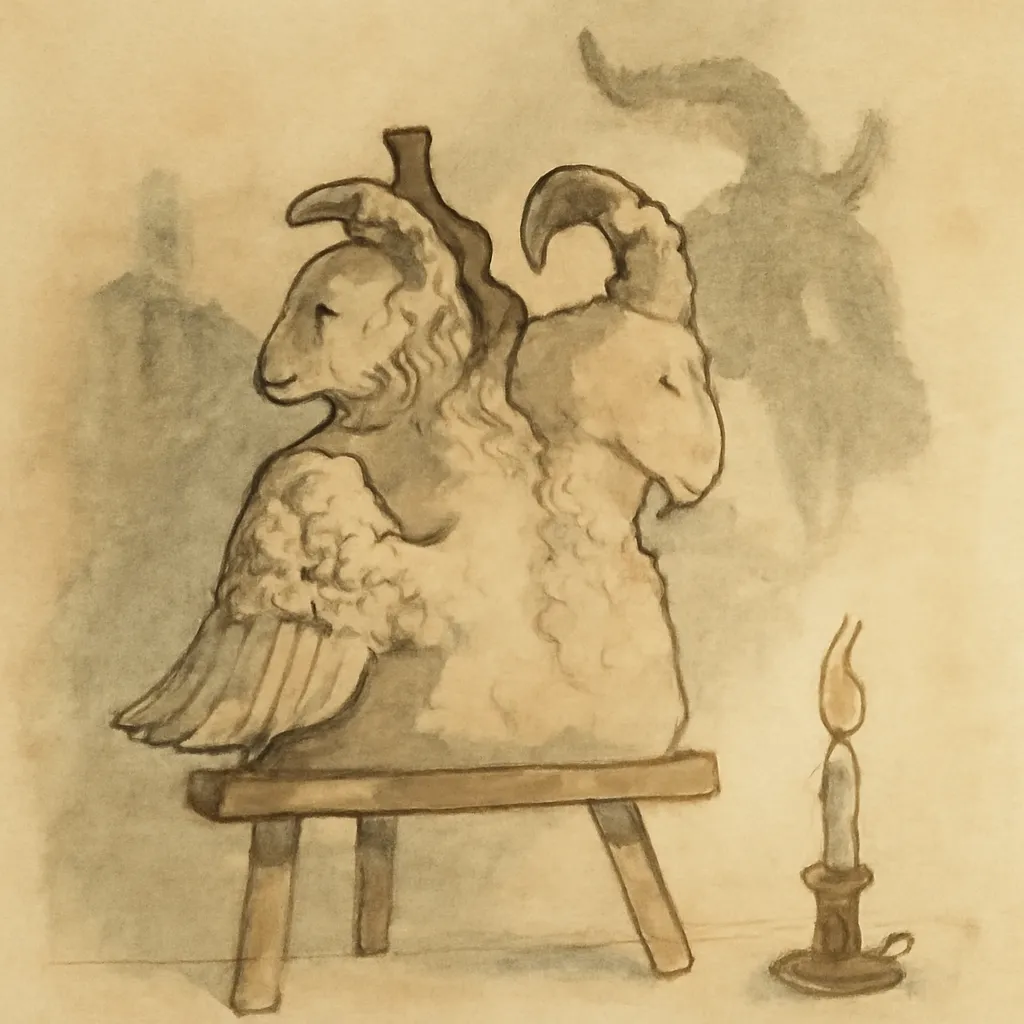
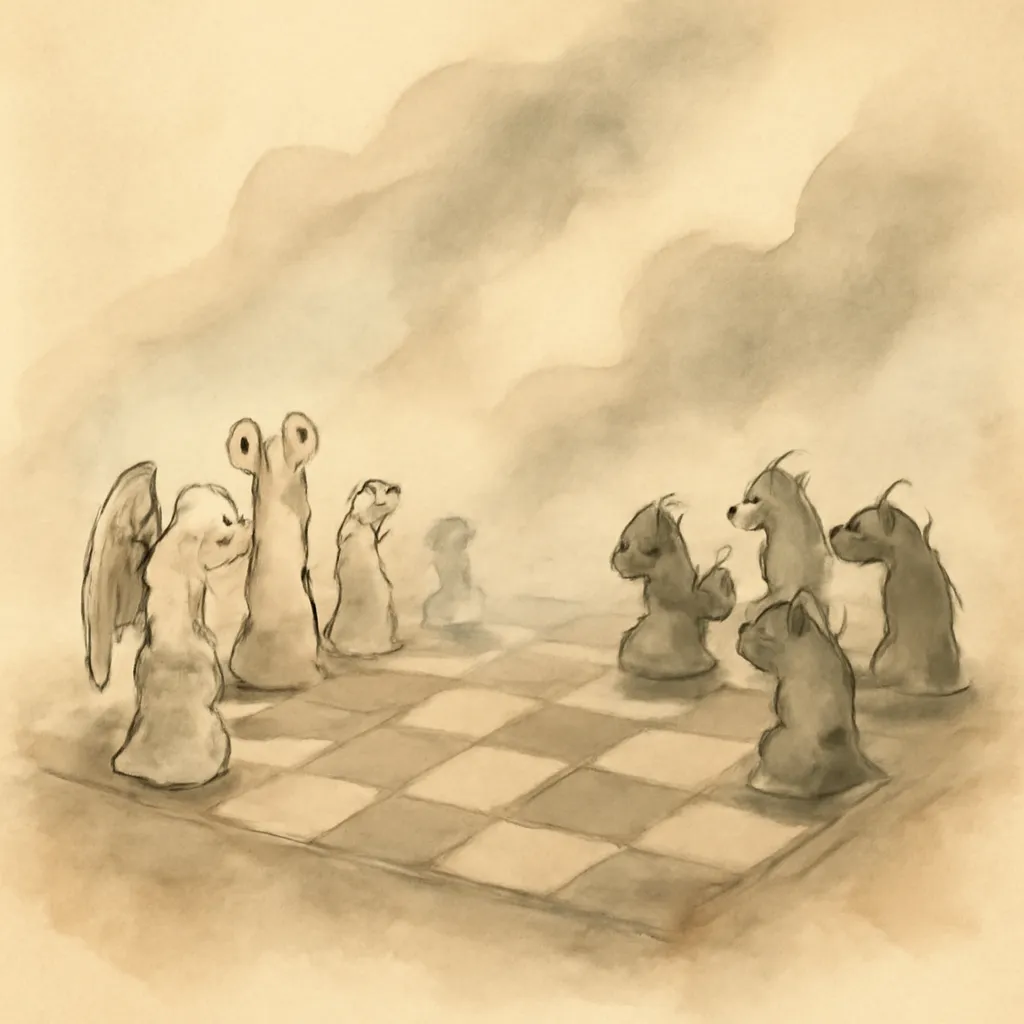
At its heart, the novel explores Karou’s search for identity. Raised by chimaera, she straddles two worlds—human and monstrous—never truly belonging in either. Her journey is not just about discovering her origins, but about forging her own sense of self amid conflicting loyalties. Taylor uses Karou’s dual existence to probe questions of home, family, and what it means to be 'other' in a world that demands you pick a side.
2.The Nature of War and Prejudice
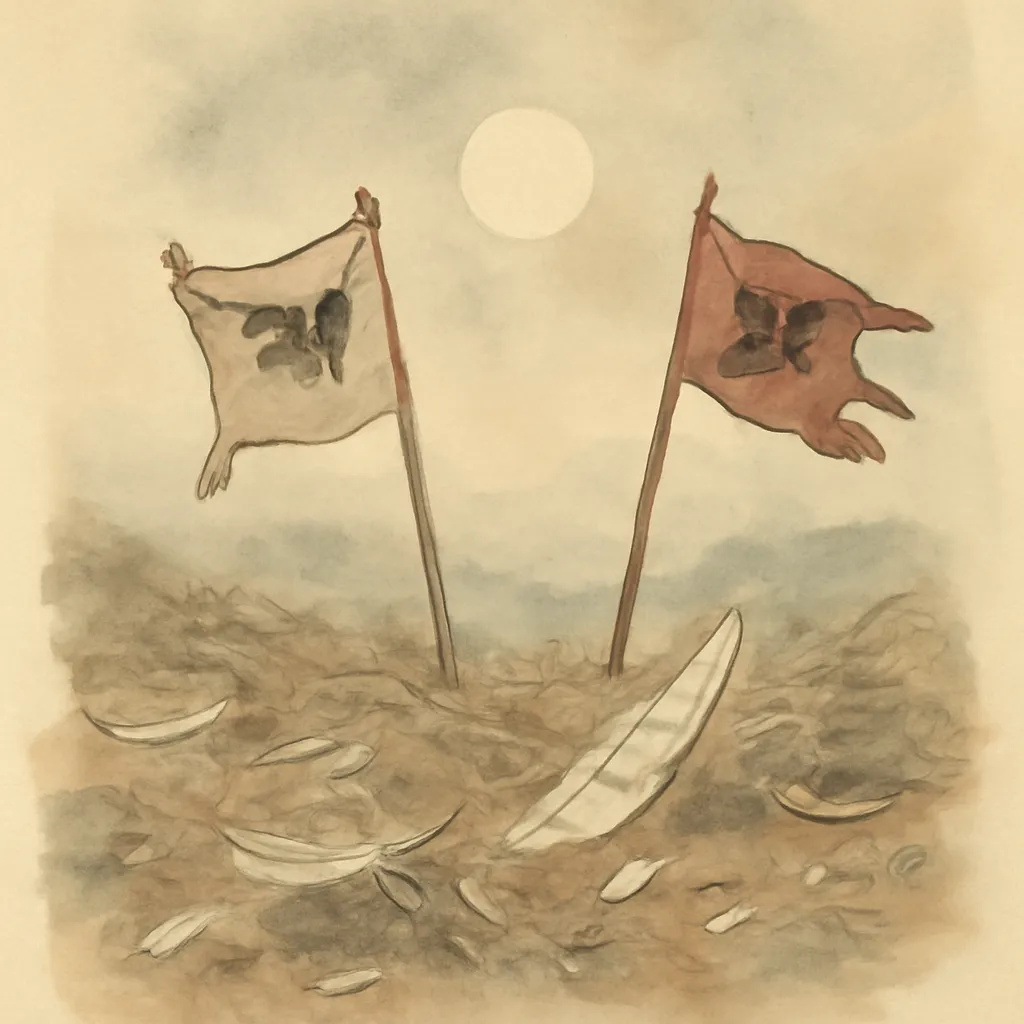
The centuries-old war between seraphim and chimaera is more than a fantasy backdrop; it’s a metaphor for cycles of hatred and the way prejudice is inherited and perpetuated. Through Karou and Akiva’s perspectives, Taylor examines how individuals can become trapped by the narratives of their cultures, and whether love or understanding can break the cycle. The book challenges readers to question the stories they’ve been told about enemies and to consider the cost of blind loyalty.
3.Love as Redemption and Ruin
Romance in Daughter of Smoke & Bone is both sweeping and tragic. The connection between Karou and Akiva is not just personal, but symbolic—a potential bridge between warring worlds. Their love is fraught with consequences, asking whether personal happiness can be justified against collective suffering. Taylor uses their relationship to explore the redemptive and destructive powers of love, and the sacrifices it demands.
4.The Power of Imagination and Art
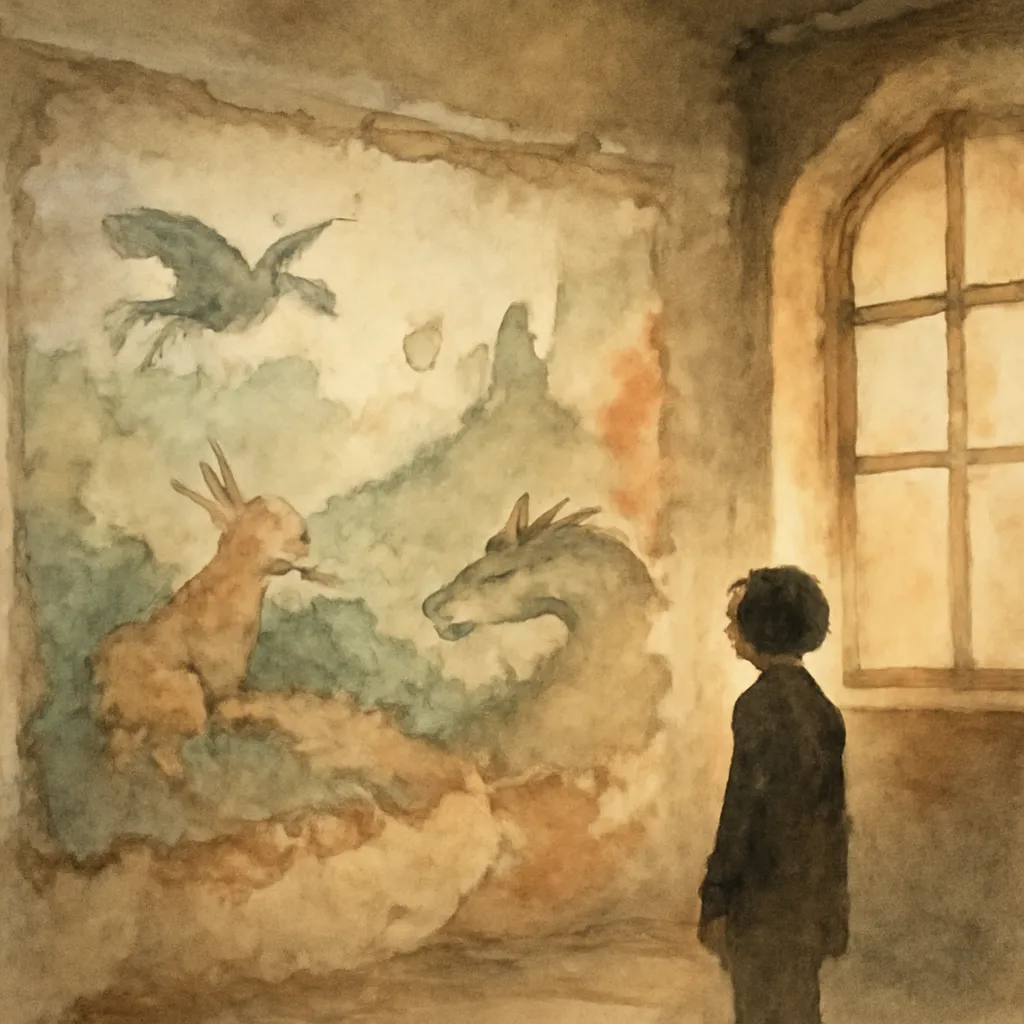
Karou’s identity as an artist is central to the story. Her drawings are more than escapism; they are a way of processing reality and communicating with both worlds. Taylor’s own lush prose mirrors Karou’s creativity, inviting readers to see fantasy as a tool for understanding and reshaping reality. The novel celebrates imagination as a form of resistance and survival.
5.Secrets, Memory, and Transformation
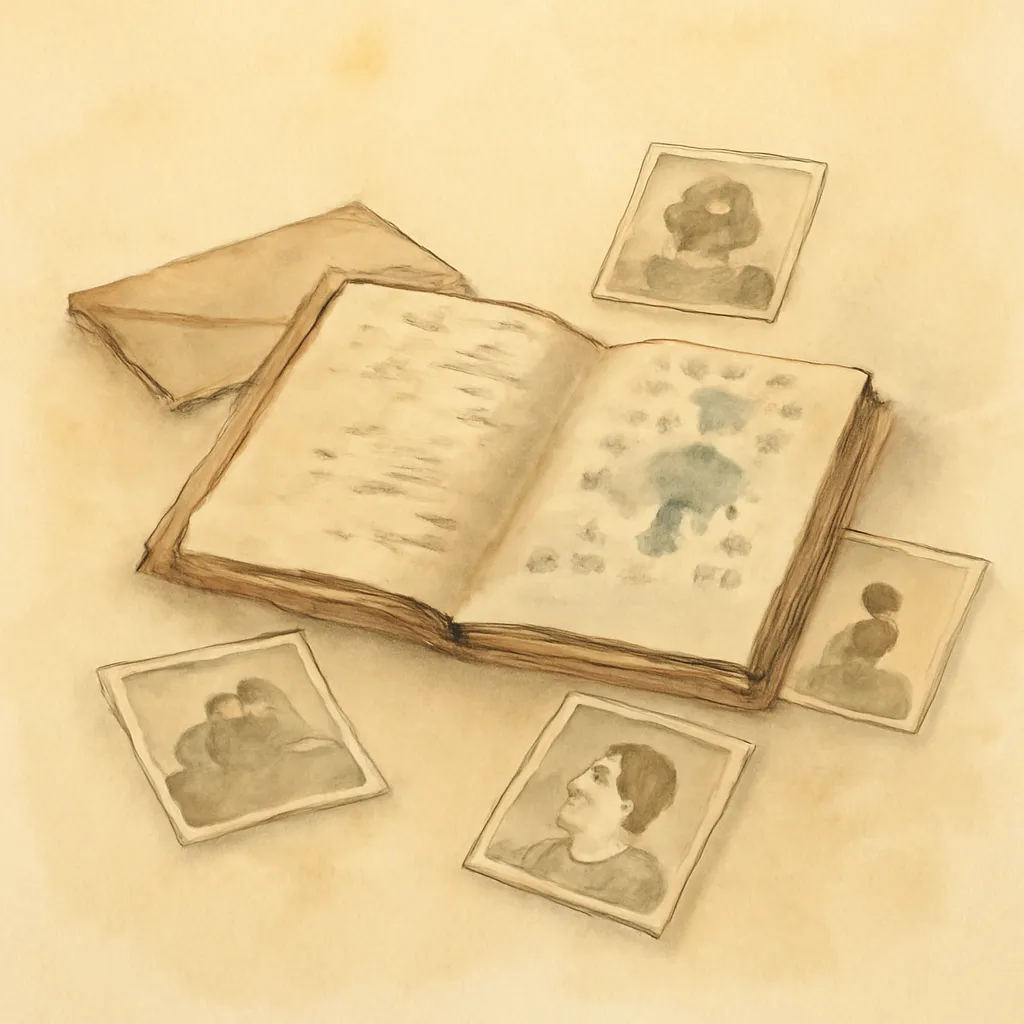
Memory—both its loss and recovery—drives the plot and Karou’s development. The secrets of her past are slowly revealed, transforming her understanding of herself and her place in the conflict. Taylor uses memory as a metaphor for personal and collective history, suggesting that true transformation is only possible when the truth is faced, however painful.
6.Moral Ambiguity and the Grayness of Good and Evil
One of the novel’s strengths is its refusal to offer simple moral binaries. Both angels and monsters are capable of cruelty and kindness, and the lines between hero and villain blur constantly. Taylor invites readers to question easy judgments, emphasizing empathy and the complexity of real-world conflicts.