1.The Influence of Equality
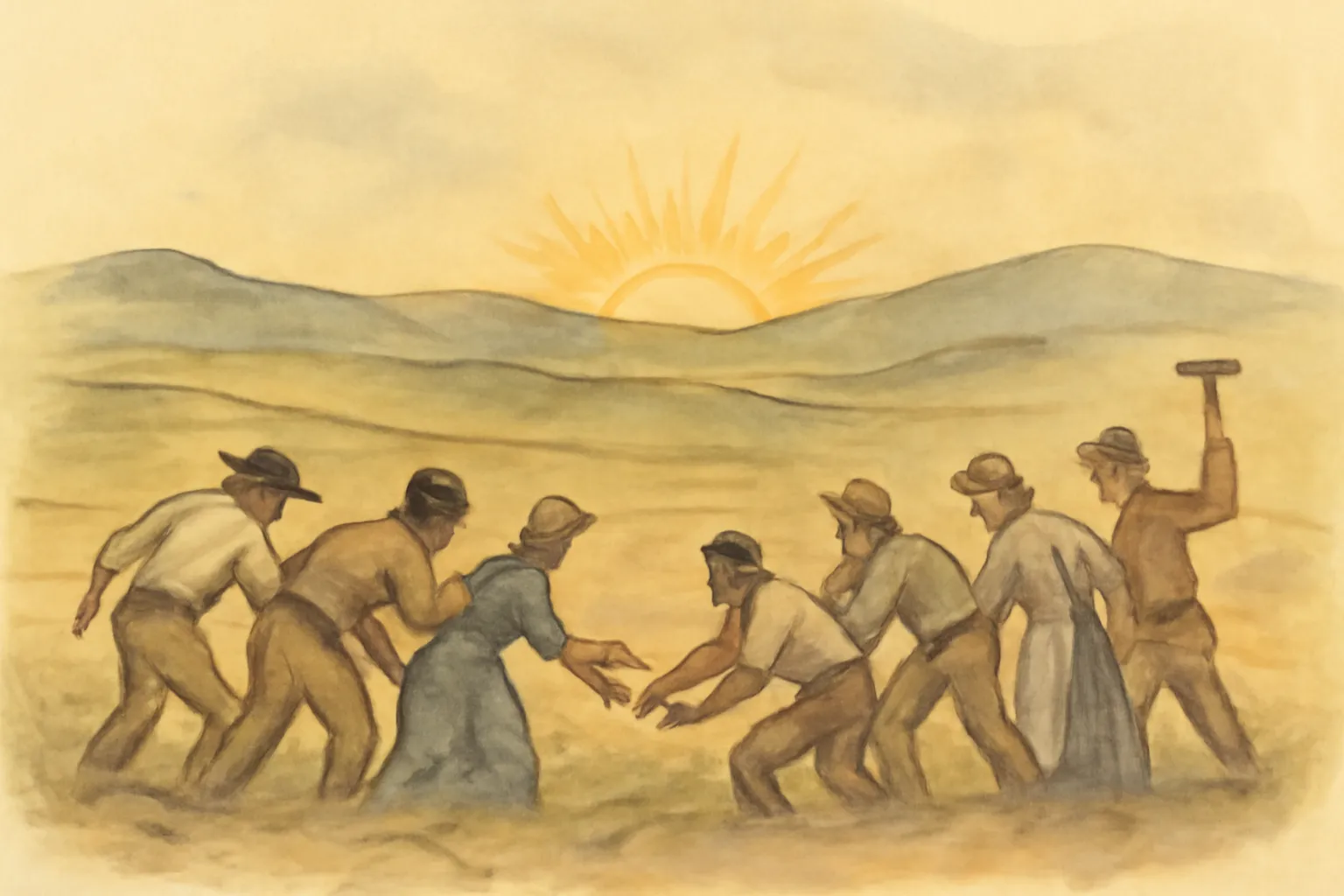
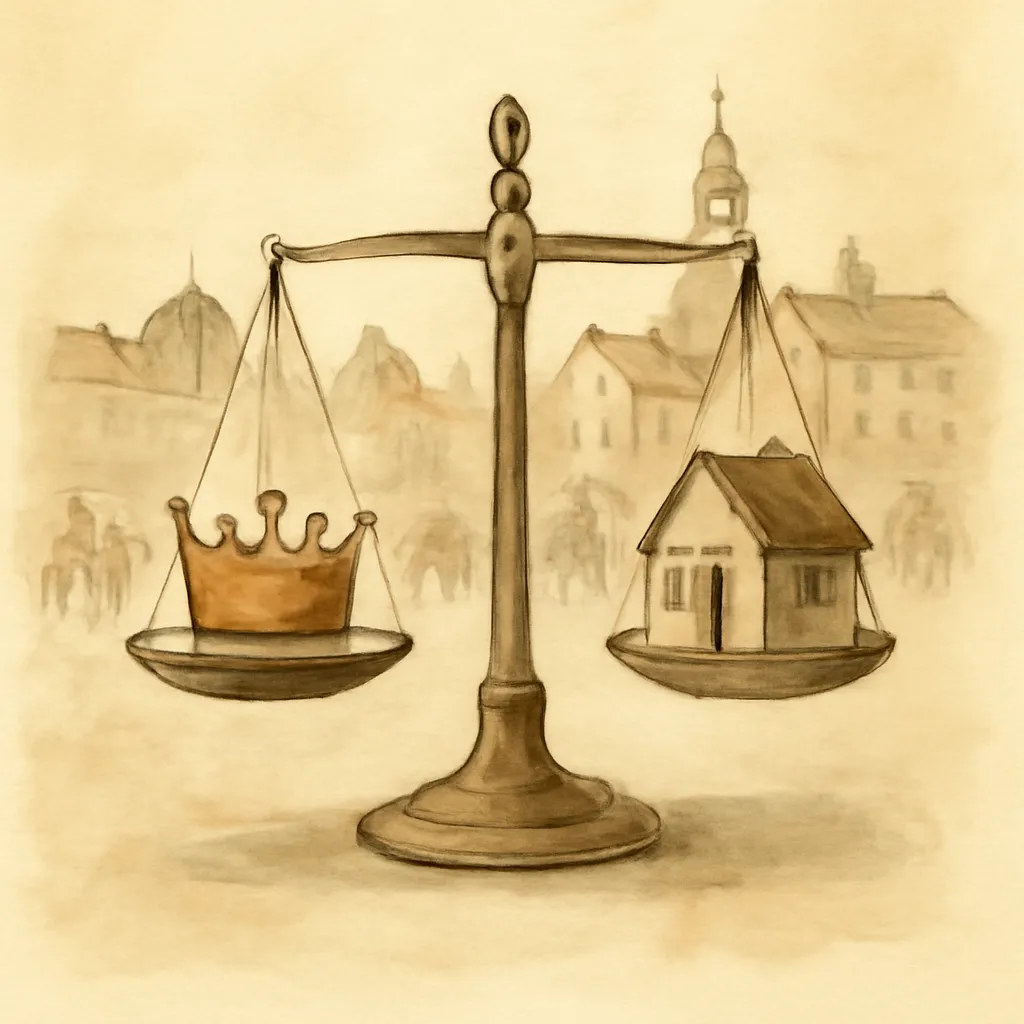
Tocqueville identifies the general equality of conditions as a defining characteristic of American society. He argues that this equality profoundly shapes public opinion, laws, and the practices of daily life. In contrast to European monarchies, where aristocracy and class distinctions prevail, the United States exhibits a more egalitarian ethos that influences everything from governance to social interactions. This equality fosters a sense of shared identity among citizens, allowing for a more engaged and participatory political culture. Tocqueville posits that while equality can lead to a more just society, it also poses challenges, such as the potential for mediocrity and the tyranny of the majority.
2.The Role of Religion and Liberty
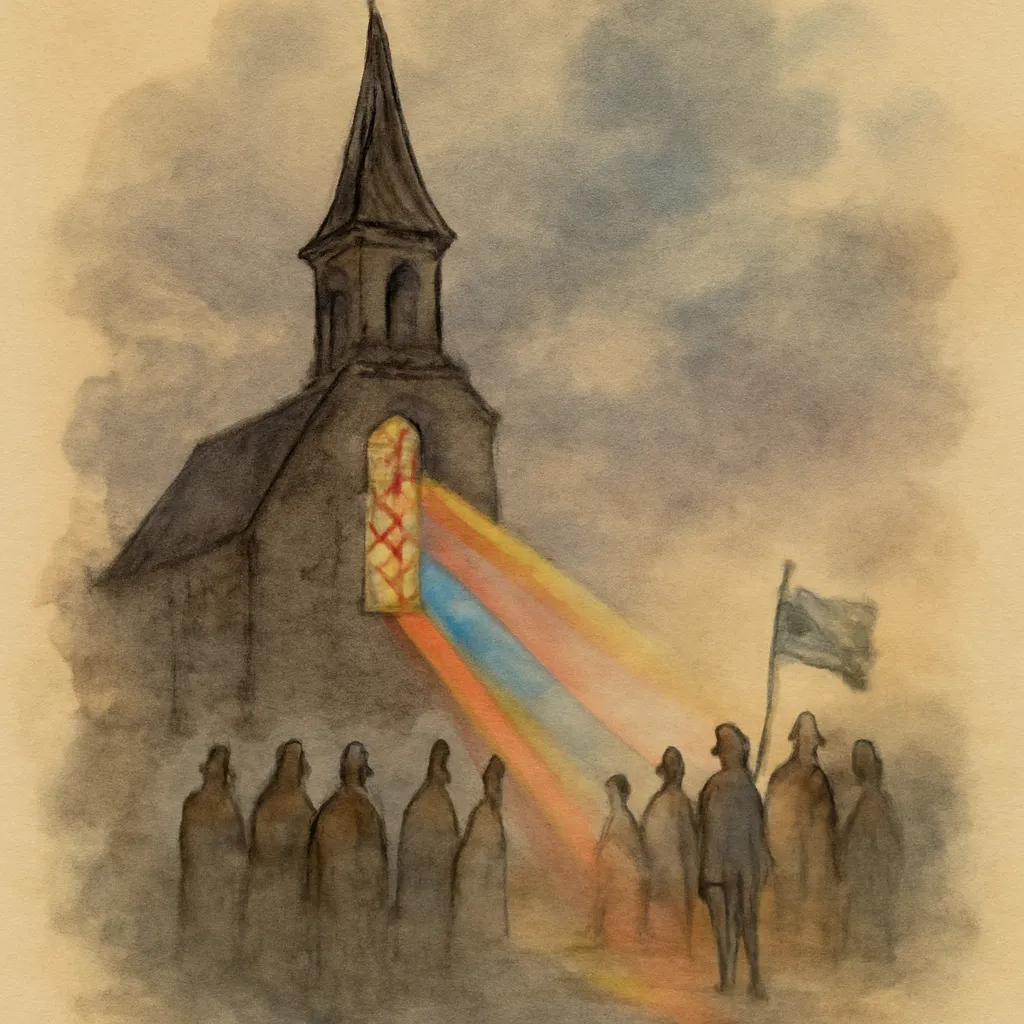
Tocqueville highlights the intertwined relationship between religion and liberty in America, particularly in New England. The early settlers brought with them a fervent religious spirit that shaped their social contract and political principles. This religious fervor encouraged a republican spirit and a commitment to self-governance. Unlike in Europe, where the church often wielded significant power, American religion promoted individualism and civic responsibility. Tocqueville argues that this unique blend of religious belief and democratic governance creates a moral foundation that supports the functioning of democracy, making it essential for the preservation of liberty.
3.The Principle of Sovereignty of the People
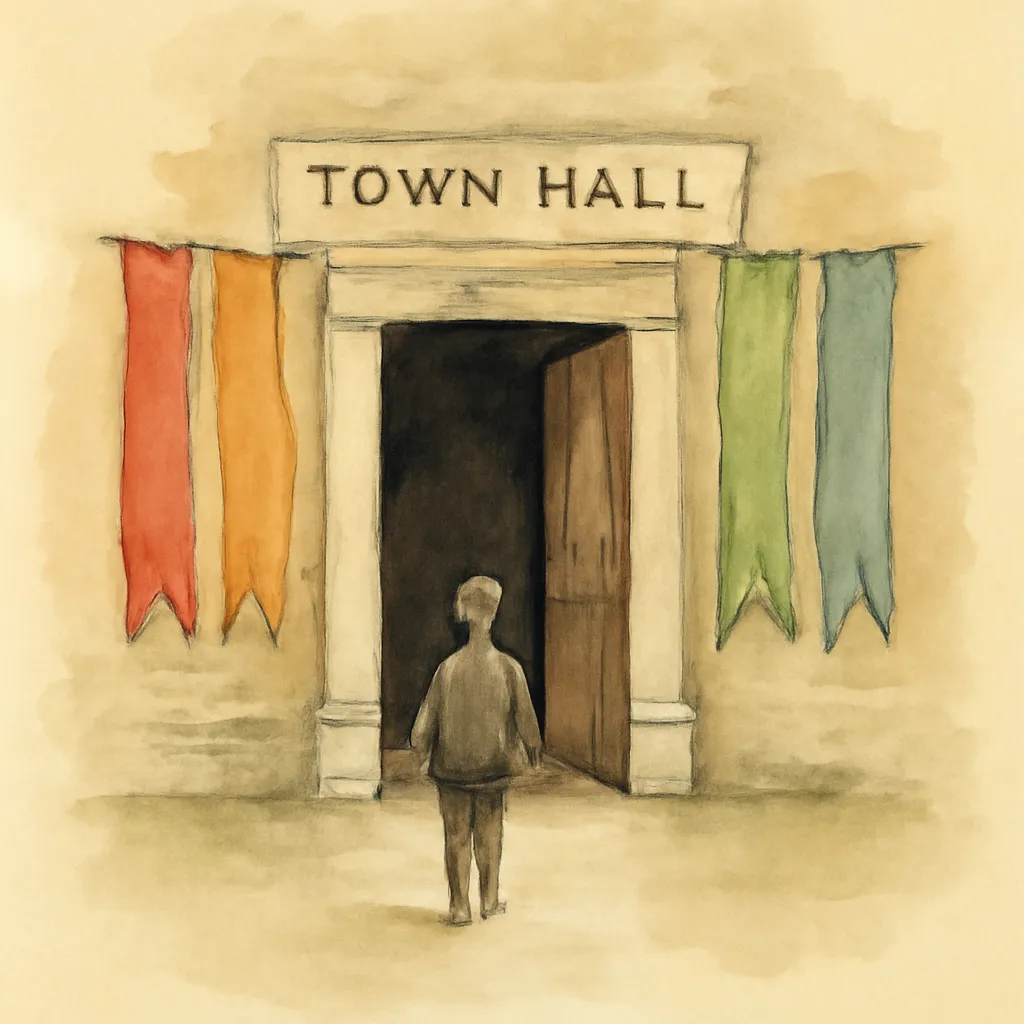
The principle of popular sovereignty is central to Tocqueville's analysis of American democracy. He observes that the will of the people is not only recognized but actively shapes the laws and institutions of the nation. This principle is evident in the structure of local governments, where citizens have significant control over their affairs through townships and municipalities. Tocqueville argues that this local governance fosters civic engagement and accountability, allowing citizens to exercise their rights and responsibilities directly. He warns, however, that the majority's power can lead to the suppression of minority opinions, highlighting the delicate balance necessary in a democratic society.
4.The American Constitution and Federalism
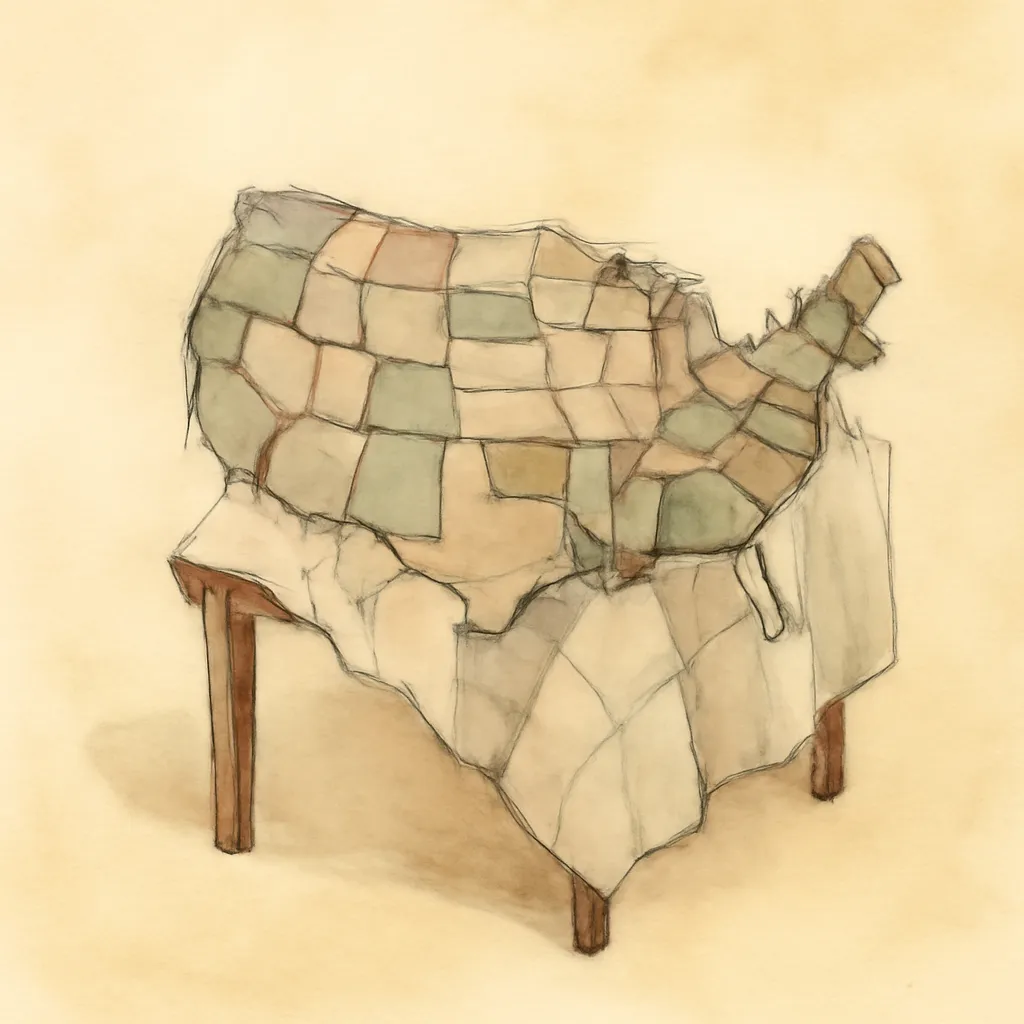
Tocqueville examines the complexities of the American federal system, which consists of a union of independent states governed by a central authority. He notes that this dual system allows for a diversity of laws and practices tailored to local needs while maintaining a cohesive national framework. The Constitution, as the supreme law, embodies the principle of popular sovereignty, yet it also imposes limitations on government power. Tocqueville argues that this structure is advantageous, as it enables flexibility and adaptability, essential for a growing and diverse nation. However, he also acknowledges the potential for conflict between state and federal authorities, which can complicate governance.
5.Judicial Power as a Political Force
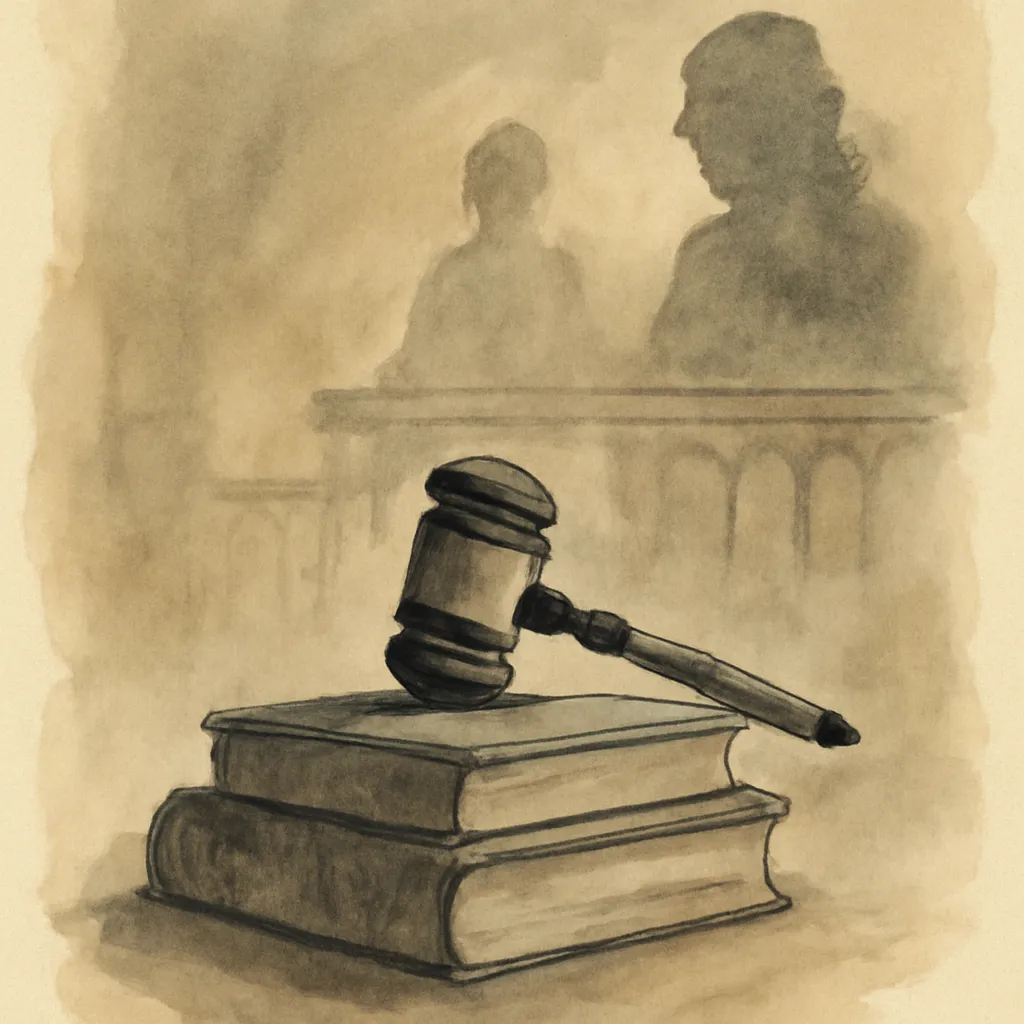
In America, Tocqueville observes that the judiciary plays a crucial role in the political landscape, often serving as a check on legislative and executive powers. The ability of judges to declare laws unconstitutional grants them significant influence over public policy. He notes that this power is unique to the American system and highlights the importance of an independent judiciary in safeguarding democracy. However, Tocqueville cautions against the potential for judicial activism, where judges may overreach their authority and impose their views on society. The balance of power among branches of government is critical, and the judiciary must exercise restraint to maintain public trust.
6.Political Associations and Civic Engagement
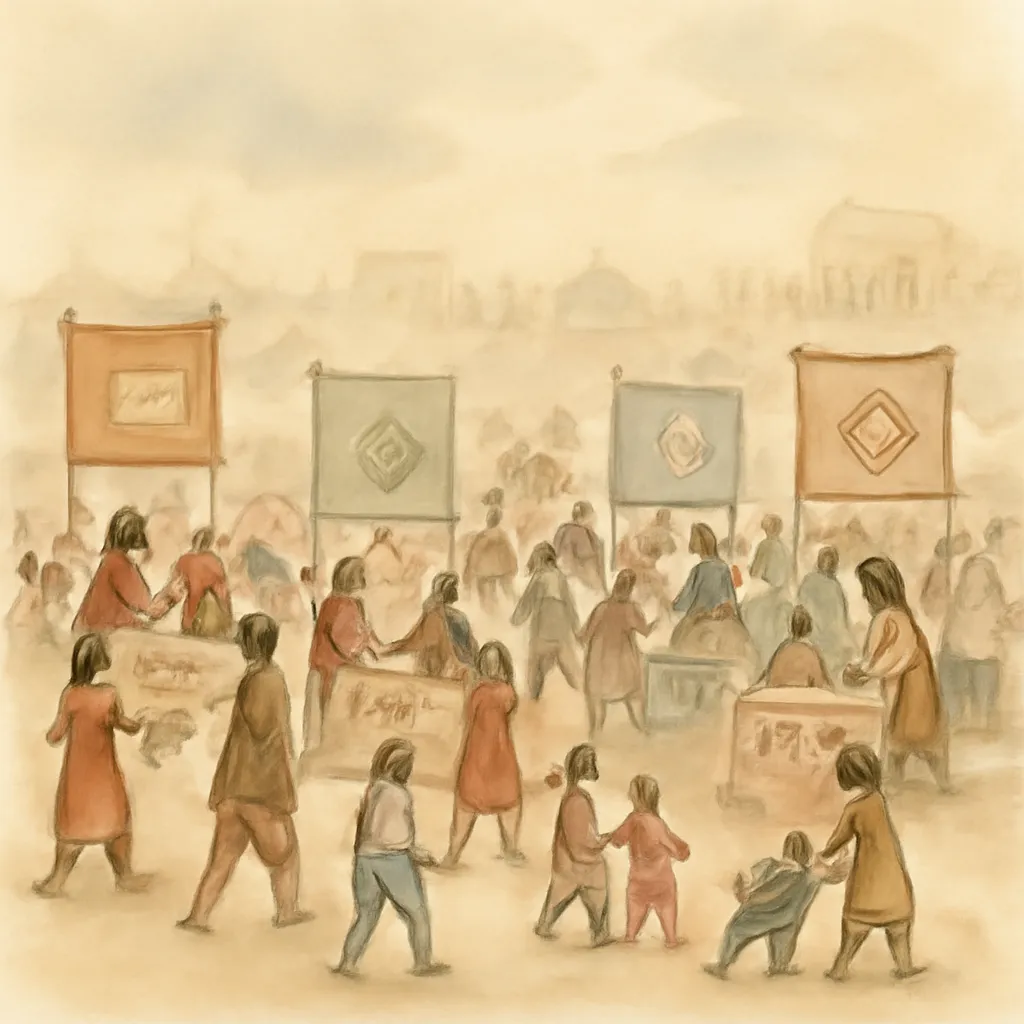
Tocqueville emphasizes the importance of political associations in American democracy, which he sees as a vital mechanism for civic engagement. Americans frequently form associations to address various social, political, and economic issues, reflecting their proactive approach to governance. These associations serve not only as platforms for collective action but also as a means of educating citizens about their rights and responsibilities. Tocqueville believes that this culture of association strengthens democracy by fostering a sense of community and shared purpose. However, he also warns that unchecked associations could lead to factionalism, where competing interests undermine the common good.
7.The Press and Public Discourse
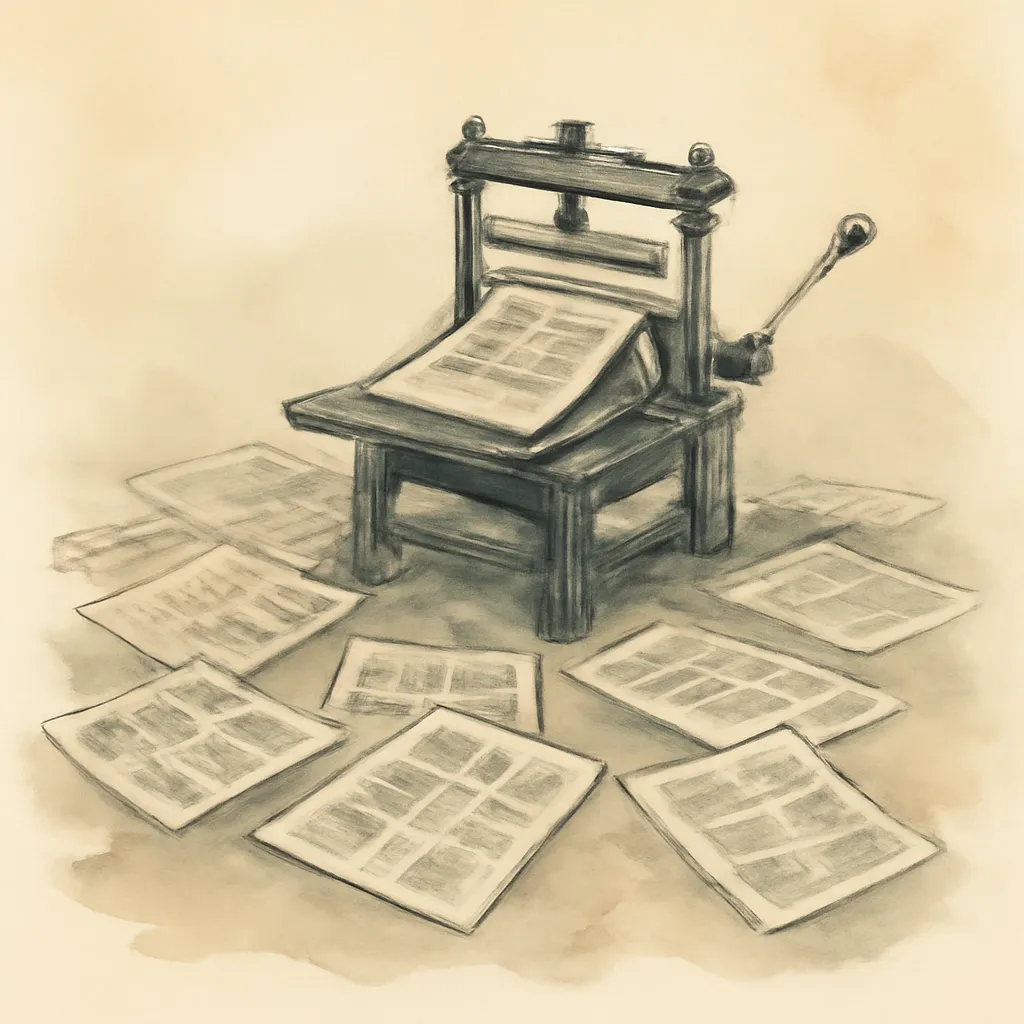
The liberty of the press is another cornerstone of American democracy, according to Tocqueville. He argues that a free press is essential for informing citizens and facilitating public discourse. The press serves as a watchdog on government actions and a platform for diverse opinions, contributing to a vibrant democratic culture. However, Tocqueville notes that the press can also propagate misinformation and sensationalism, potentially distorting public opinion. He calls for a balance between the freedom of expression and the need for responsible journalism, highlighting the press's dual role as both a guardian of democracy and a source of potential division.
8.The Dangers of Individualism
While Tocqueville praises the spirit of individualism that permeates American society, he also warns of its potential dangers. Individualism can lead to isolation and a disengagement from the community, undermining the collective spirit necessary for a robust democracy. Tocqueville observes that as individuals prioritize personal interests over communal well-being, the fabric of society may fray, leading to a weakened sense of responsibility towards others. This trend poses challenges for democratic governance, as citizens may become less willing to participate in civic life or support collective initiatives. Tocqueville urges a balance between individual rights and communal obligations to sustain a healthy democracy.
9.The Role of Public Opinion
Public opinion, according to Tocqueville, holds immense power in shaping the political landscape of America. He argues that in a democracy, the majority's views often dictate the course of action, which can lead to the marginalization of minority perspectives. This phenomenon can create a culture of conformity, where dissenting opinions are stifled, and individuals may hesitate to express their true beliefs for fear of backlash. Tocqueville emphasizes the need for mechanisms that protect minority rights and encourage a diversity of voices in public discourse. He believes that fostering a pluralistic society is essential for the health of democracy, as it allows for a richer exchange of ideas and prevents the tyranny of the majority.
10.The Future of Democracy
Tocqueville's reflections on the future of democracy are both optimistic and cautionary. He acknowledges that the forces of democracy are powerful and, in many ways, irreversible, as they reflect a fundamental trend in human history. However, he also warns that unchecked democracy can lead to despotism, where the majority's will overrides individual freedoms and rights. Tocqueville stresses the importance of vigilance in protecting democratic institutions and the need for an informed and engaged citizenry. He believes that the success of democracy depends on the active participation of citizens who must hold their leaders accountable and engage in the political process. The future of democracy, in Tocqueville's view, hinges on maintaining the delicate balance between liberty and equality.