1.The Power and Peril of Equality
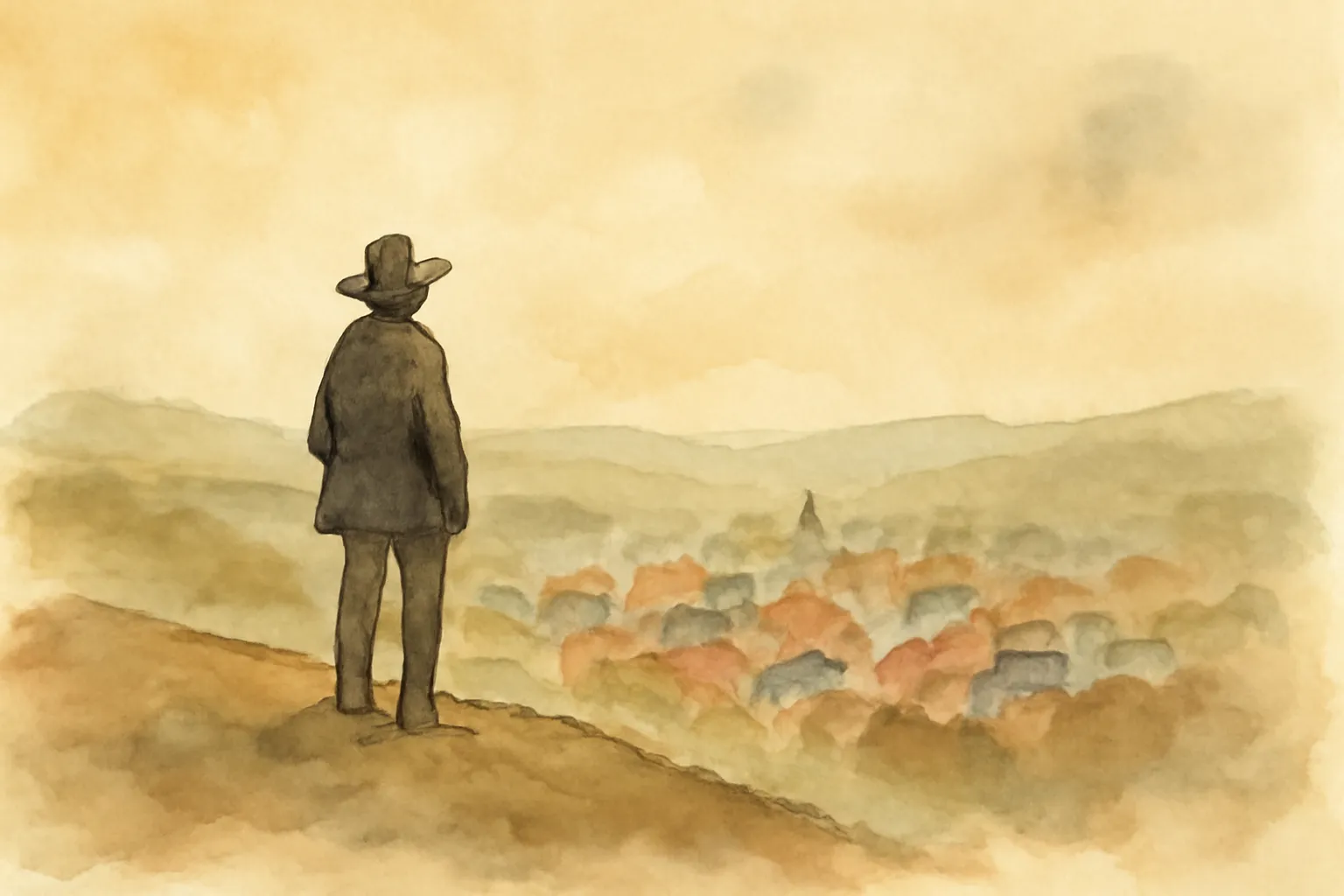
Tocqueville argues that the drive for equality is the defining force in American society. He admires the way equality of conditions levels social hierarchies and empowers individuals, but he also warns that this same force can breed conformity and mediocrity. Tocqueville is especially concerned that the passion for equality could lead people to accept the tyranny of the majority or to trade freedom for the comfort of sameness. His nuanced analysis asks readers to consider both the liberating and the potentially stifling effects of egalitarianism.
2.Tyranny of the Majority
One of Tocqueville’s most famous warnings is about the ‘tyranny of the majority’—the idea that in a democracy, the majority can impose its will so completely that minority rights and individual freedoms are endangered. He notes that while American democracy protects against aristocratic oppression, it risks creating new forms of social pressure and intolerance. This insight remains a touchstone for debates about civil rights and the limits of popular rule.
3.The Role of Civil Society
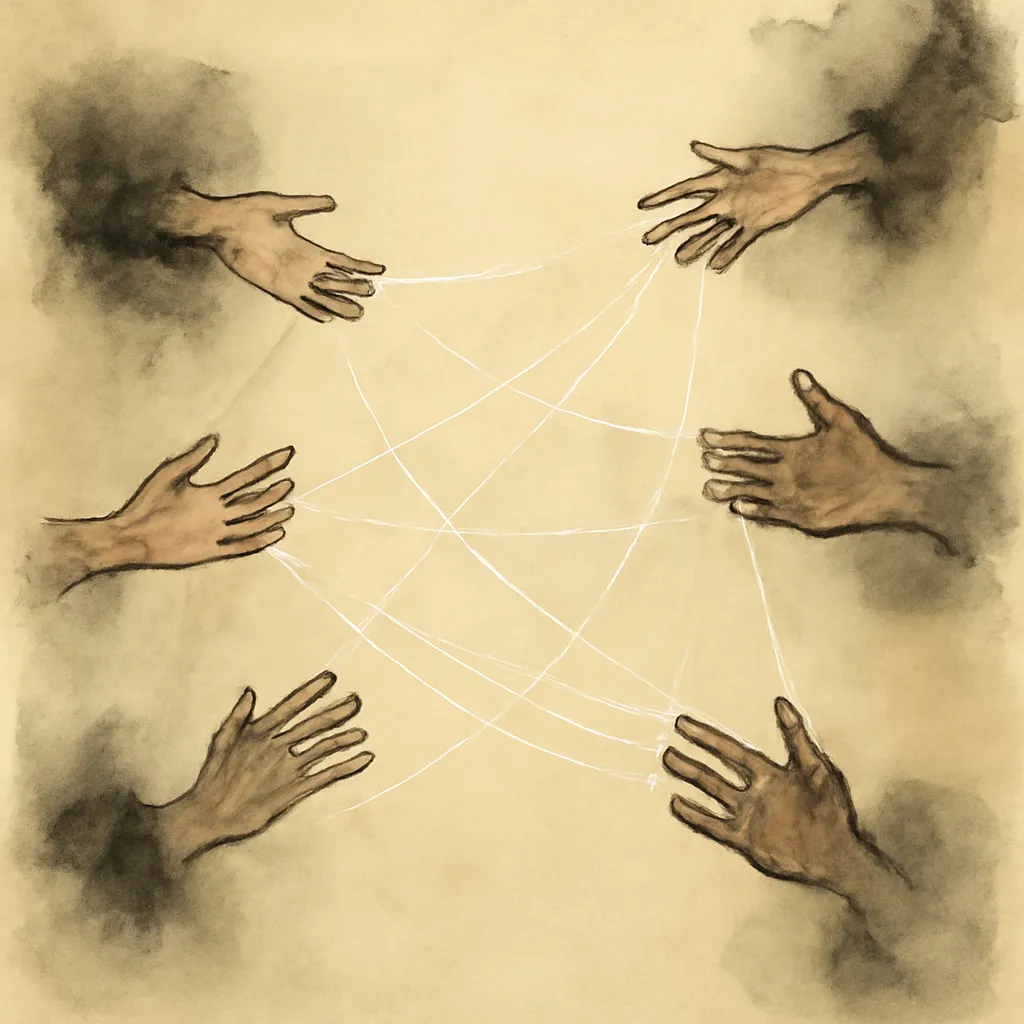
Tocqueville is fascinated by Americans’ tendency to form associations, clubs, and civic groups. He sees these voluntary organizations as vital to the health of democracy, teaching citizens cooperation and self-government. Civil society, for Tocqueville, acts as a buffer against both governmental overreach and social isolation, fostering habits of participation and mutual responsibility that keep democracy vibrant.
4.Religion as a Democratic Anchor
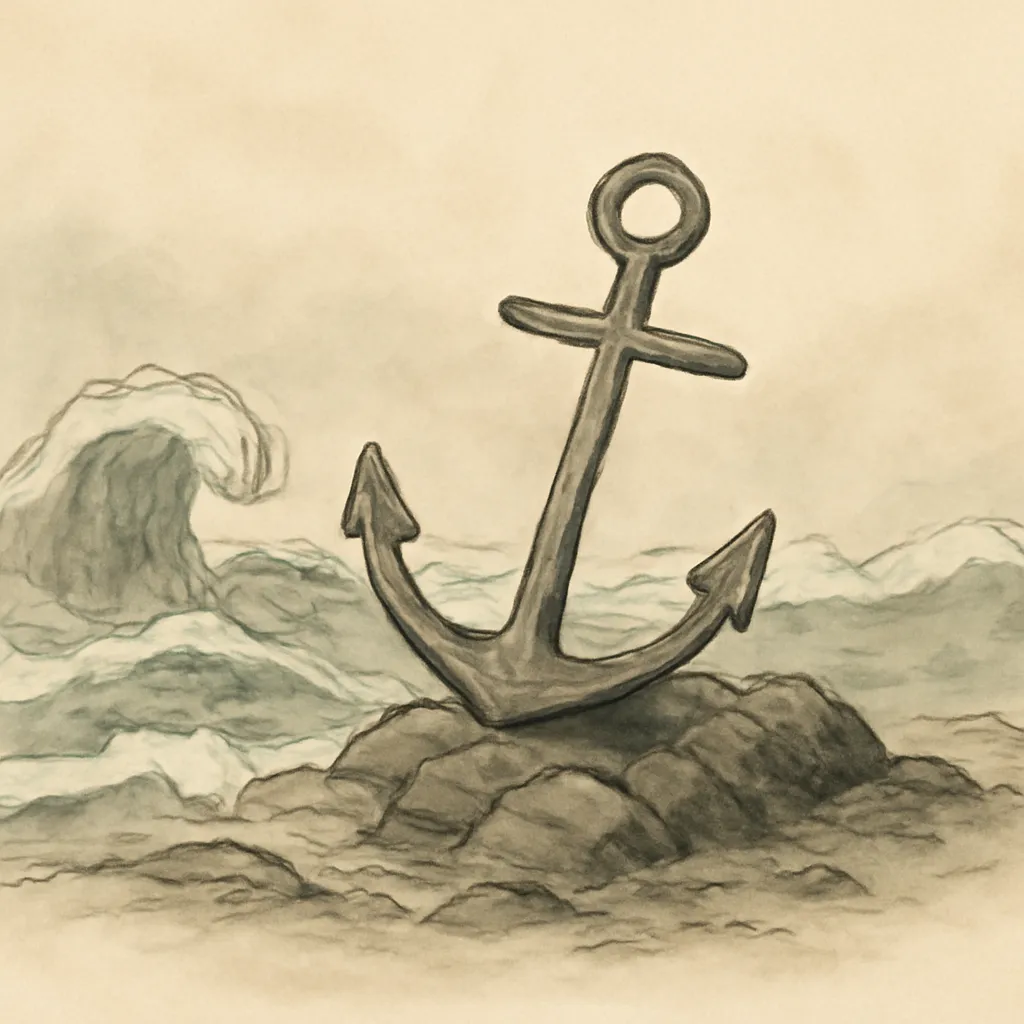
Although America separates church and state, Tocqueville observes that religion plays a crucial role in supporting democratic values. He sees religious belief as a moral check on individualism and materialism, helping to sustain the discipline and community spirit that democracy requires. Tocqueville’s analysis highlights the complex relationship between faith and freedom in American public life.
5.Individualism and Its Discontents
Tocqueville introduces the concept of ‘individualism’ as a uniquely modern phenomenon, distinct from selfishness. He notes that while democracy empowers people to think and act for themselves, it can also lead to social withdrawal and apathy. Tocqueville worries that if citizens retreat into private life, democracy will lose its energy and become vulnerable to despotism. He urges active participation as the antidote.
6.The Fragility and Promise of Democracy
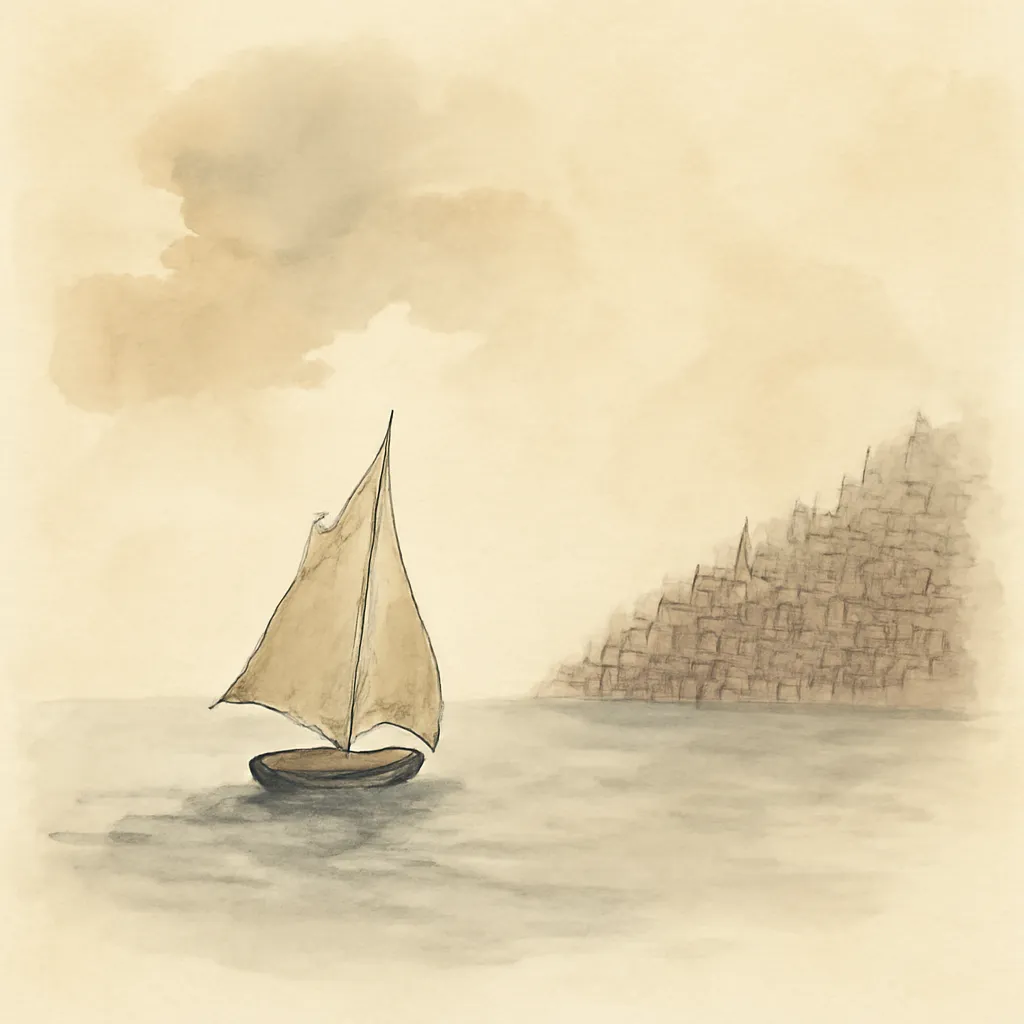
Throughout the book, Tocqueville balances admiration for the American experiment with a keen awareness of its vulnerabilities. He is optimistic about democracy’s potential to foster justice and prosperity, but he warns that it requires constant vigilance and civic engagement. Tocqueville’s analysis is not just a snapshot of his era, but a call to recognize democracy as a living, evolving project.