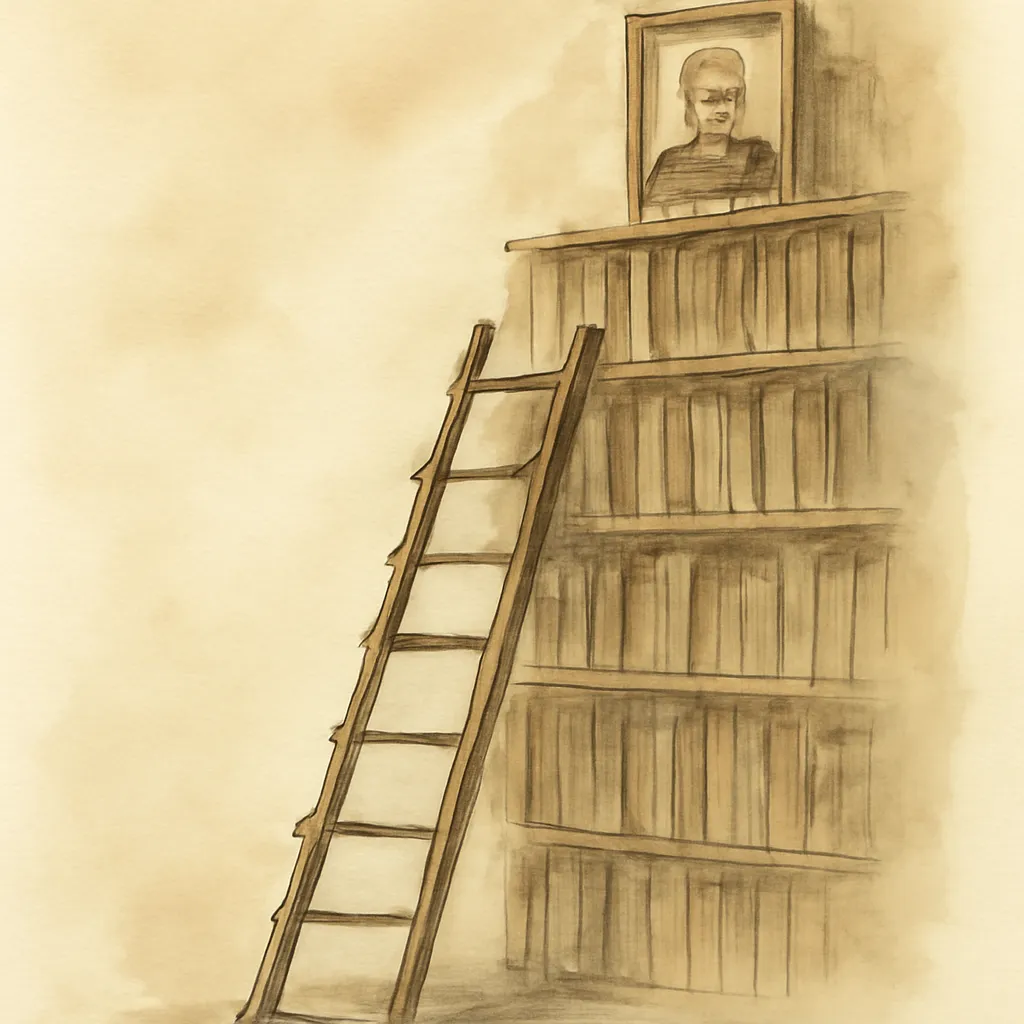
1.The Unlikely Rise of James Garfield
Garfield’s ascent from abject poverty to the presidency is a central thread in the book, illustrating the era’s possibilities and contradictions. Millard highlights Garfield’s intellect, humility, and reluctance to seek the highest office, painting a portrait of a leader whose values were shaped by hardship and self-education. His rise underscores the volatility and unpredictability of post-Civil War American politics, where party machines and personal ambition often collided with ideals.
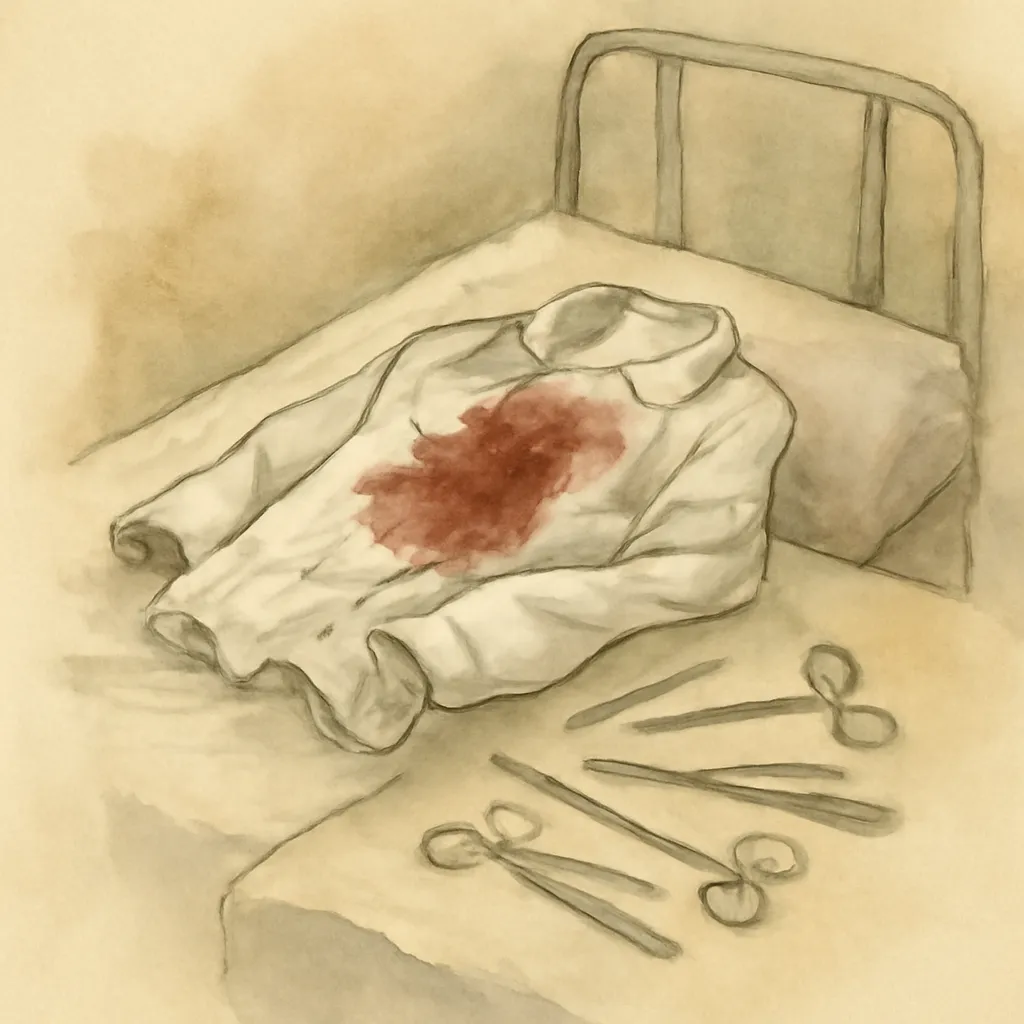
2.Assassination and Medical Tragedy
While Charles Guiteau’s bullet did not immediately kill Garfield, the president’s fate was sealed by the era’s rudimentary medical practices. Millard meticulously reconstructs how outdated beliefs, unsanitary procedures, and the egos of prominent physicians contributed to Garfield’s suffering and death. The book exposes the dangers of medical orthodoxy and resistance to scientific innovation, dramatizing the cost of ignorance in a time of rapid change.
3.The Birth of Modern Medicine
The tragedy of Garfield’s treatment becomes a catalyst for examining the state of American medicine in the late 19th century. Millard contrasts the stubbornness of Dr. Bliss, who rejected antiseptic methods, with the pioneering work of Joseph Lister. The narrative demonstrates how Garfield’s death galvanized public and professional support for medical reform, marking a turning point in the acceptance of germ theory and sterile technique in the United States.
4.Political Reform and the Spoils System
Garfield’s assassination exposed the deep flaws of the patronage-driven spoils system that dominated American politics. Millard explores how the tragedy spurred the passage of the Pendleton Civil Service Reform Act, which began the process of professionalizing government service. The book positions Garfield’s death as a catalyst for change, linking personal tragedy to systemic reform.
5.The Power of Obsession and Delusion
Charles Guiteau, Garfield’s assassin, is depicted not merely as a villain but as a product of mental illness and the era’s lack of understanding of psychology. Millard delves into Guiteau’s motivations, revealing how personal delusion and societal neglect can have catastrophic consequences. This exploration raises questions about responsibility, insanity, and the limits of justice.
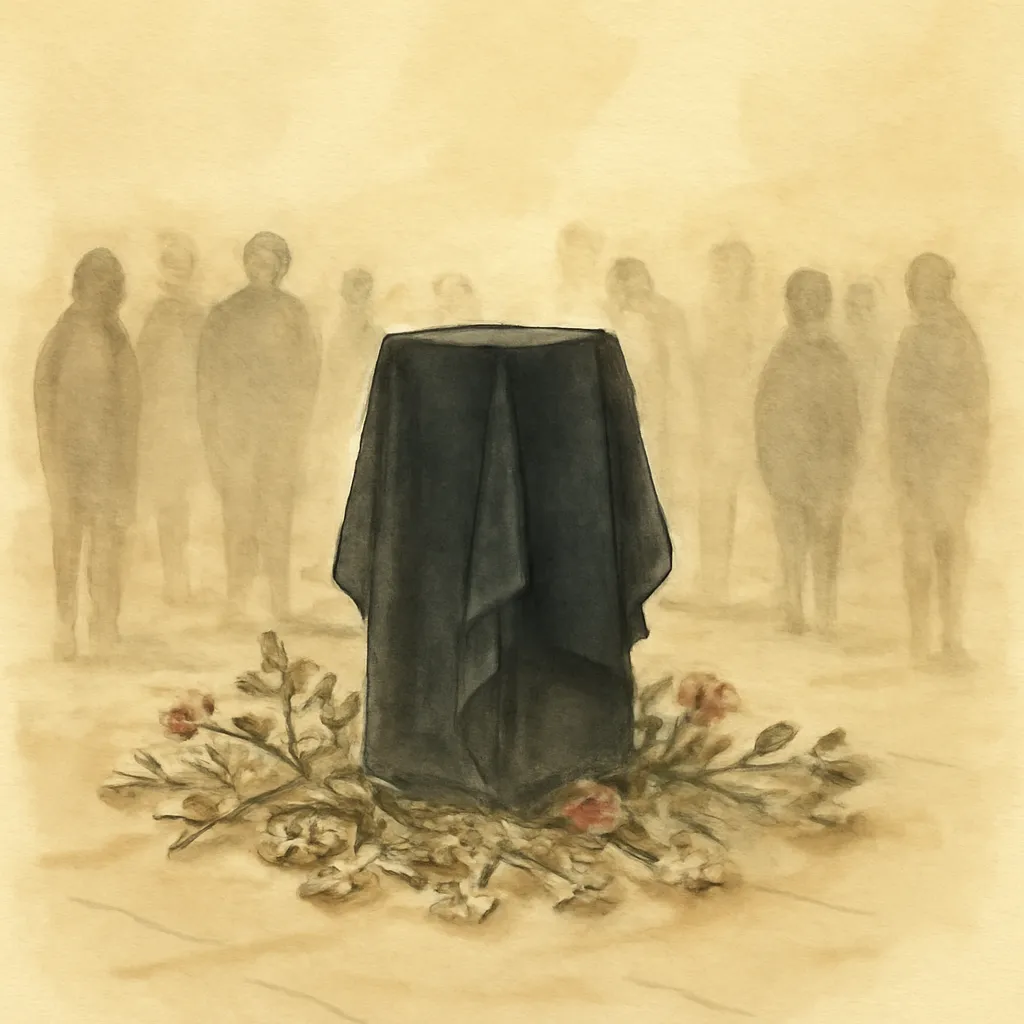
6.National Mourning and the Meaning of Leadership
Garfield’s prolonged suffering and eventual death united a fractured nation in grief, briefly bridging the divides of Reconstruction. Millard shows how the public’s response reflected both the yearning for moral leadership and the vulnerability of the presidency. The book invites readers to consider how national trauma can forge new paths and redefine collective values.